Wildlife

A Desperate Raccoon With a Jar Stuck on His Head Found Hope at the Right Door

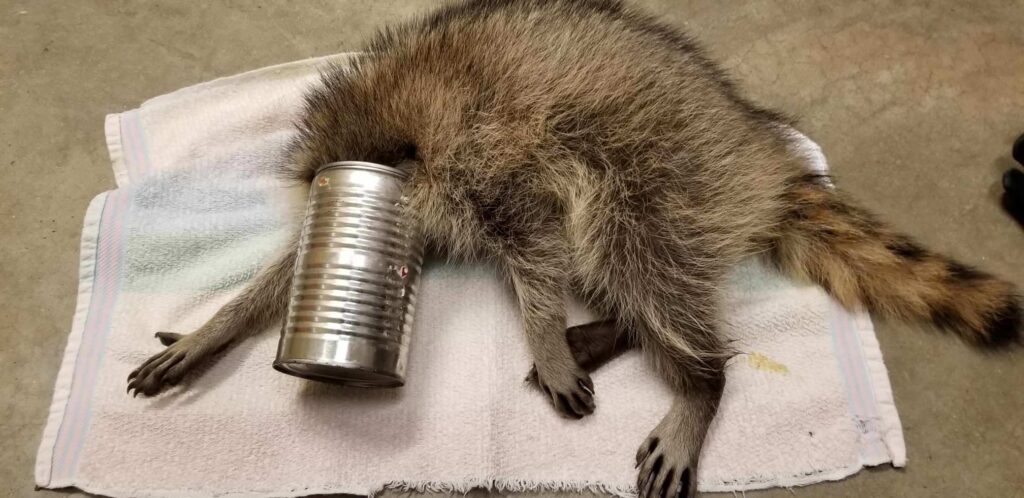
A Family Known for Helping Stray and Wild Animals For over two decades, Jim Thebarge and his family have quietly cared for the abandoned and stray cats living near their home in Connecticut. What started as simple acts of kindness turned into a routine that changed the lives of countless animals. They provide heated food and water bowls on their porch to make sure the cats don’t go hungry, even during freezing winters. In their garage, five heated pet beds are always ready, offering warmth and safety on nights when icy winds sweep across the neighborhood. Their generosity, though originally meant for cats, eventually reached other animals as well. Stray cats weren’t the only ones who noticed that kindness lived at the Thebarge household. Over time, squirrels, birds, and even raccoons began visiting. And one particular raccoon, in a moment of desperation, arrived not just seeking food but fighting for his very survival. An Unusual Visitor in Need of Help One cold evening, Jim and his family noticed a shadowy figure moving near their porch. At first, they assumed it was another one of the cats they had been feeding for years. But as the animal stepped closer, their hearts sank. This wasn’t a cat at all—it was a raccoon, and he was in serious trouble. The poor animal had a large plastic jar tightly stuck over his head. He must have been trying to lick the remnants of food from the container when it trapped him. Now, unable to eat or drink properly, he staggered toward the family’s porch bowls. He pushed his head toward the water, but the jar blocked him. He tried pawing at the food, but he couldn’t reach it. The family immediately realized how dire the situation was. The raccoon was not only hungry but also disoriented, confused, and frightened. His survival was at stake. “We believe he came to us because he somehow knew we would help him,” Jim later shared. A Clever Rescue Plan Although the raccoon seemed to understand he needed help, fear kept him from allowing humans to get too close. Each time someone approached, he bolted back into the dark. Thebarge and his family quickly began contacting wildlife organizations for assistance. Several rehabbers responded, agreeing to come set up a safe trap in hopes of capturing the raccoon without hurting him. After setting the trap and leaving, the rescuers advised patience. But Jim, seeing how desperate the raccoon had become, decided he couldn’t just wait. He came up with a plan of his own. He tied a rope to his porch door, leaving it slightly open, then stretched the rope out into his yard. Within half an hour, the raccoon returned, drawn by the smell of food and water. Jim waited quietly as the animal stepped onto the porch. Then, with one gentle tug of the rope, the door shut, and the raccoon was safely inside. Jim immediately called the wildlife team, who rushed back within minutes. Freedom, Gratitude, and a New Bond The rescuers carefully restrained the raccoon and set to work. The plastic jar had been wedged tightly, creating a dangerous seal around his head. With precision and care, they cut through the plastic until, finally, the jar popped free. For the first time in days, the raccoon could breathe, eat, and drink without obstruction. Everyone stood back as he shook his head and blinked in the cold air, adjusting to his newfound freedom. The rescuers checked him over, ensuring he hadn’t suffered injuries from the ordeal. Once they confirmed he was healthy, they released him back into the woods, where he dashed away, finally free. For Jim and his family, that moment was more than just a rescue—it was proof that compassion changes lives, even when extended to animals who cannot say “thank you” in words. But as it turned out, the raccoon found another way to express his gratitude. Two weeks later, as the family put out food and water for their usual visitors, a familiar furry face appeared on the porch. It was the same raccoon. This time, he wasn’t in distress. Instead, he stood calmly, drinking from the bowl and nibbling at the food as though he belonged there. Since that day, the raccoon has returned daily. He no longer comes as a frightened stranger but as a welcomed friend. Each visit is a quiet thank-you, a reminder of how one family’s compassion turned what could have been a tragic ending into a beautiful story of survival and trust.

A Desperate Raccoon With a Jar Stuck on His Head Found Hope at the Right Door Read More »
A Mother’s Love Beneath the Waves: Tender Moment Between Wild Manatee Mom and Baby Captured on Camera

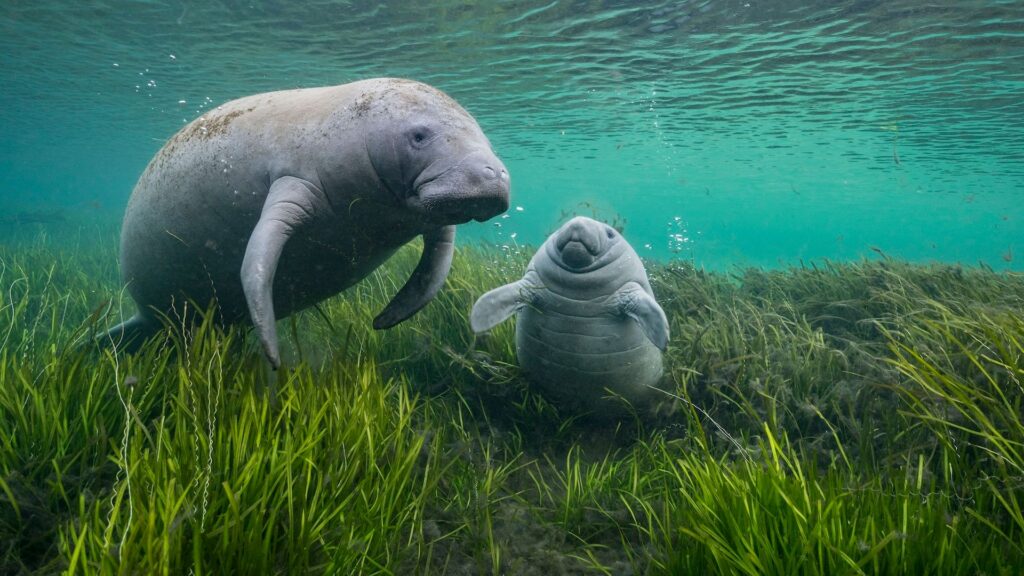
A Magical Encounter on the Water For the team at Get Up and Go Kayaking, every day on Florida’s sparkling waterways brings new surprises. Their crystal-clear kayaks allow visitors to peer into an underwater world brimming with life, from playful fish to curious turtles. Yet even for experienced guides who have spent years leading tours, certain moments stand out as extraordinary—moments that leave everyone in awe. Recently, during a routine guided trip through Silver Springs State Park, one of the guides, Josh, spotted something so tender and heartwarming that it silenced the group of kayakers. Floating gently in the clear river, a baby manatee swam toward its massive mother, nuzzled her chin, and gave her what looked like a sweet underwater kiss. The mama responded by wrapping her flippers around her baby in what appeared to be an affectionate hug. This rare display of motherly love was caught on camera, and the image quickly spread, touching hearts far beyond Florida’s waterways. For those who witnessed it in person, the moment felt almost magical—proof that love and connection are universal, even among creatures beneath the waves. Understanding Manatee Season and Their Gentle Nature Manatees, often called “sea cows” because of their slow movements and gentle grazing habits, are a beloved symbol of Florida’s rivers and springs. While some live in Silver Springs year-round, the colder months—between November and March—are known as Manatee Season. During this time, dozens of manatees migrate into the warm, steady-temperature waters of the springs to escape the chill of the ocean and rivers. This seasonal migration makes the Silver River one of the best places to spot these peaceful giants. Tour guides and nature lovers often hope to catch a glimpse of newborn calves trailing closely behind their protective mothers. Still, seeing such an affectionate display between a mother and her baby is something special even for seasoned guides. According to GUAGK staff, manatee mothers are known for keeping their young close, teaching them how to graze on aquatic plants, and guiding them to the surface for air. Calves depend on their moms for up to two years, and in that time, they develop a deep and inseparable bond. The sight of the mother wrapping her flippers around her calf was a reminder that family connections in nature are just as strong as our own. Witnessing Wildlife With Respect and Care While it’s tempting for visitors to drift closer and take photos, GUAGK guides emphasize the importance of respecting the manatees’ space. Interactions with wildlife can be exciting, but keeping a safe distance ensures that these animals feel comfortable and remain healthy. For mothers and calves especially, space is essential. “If you ever spot this pair—or any manatee family—it’s important to give them room,” GUAGK reminded visitors on social media. “Baby manatees need easy access to the surface to breathe, and moms need freedom to graze and nurse without stress.” The guides’ gentle reminders highlight a larger message: wildlife tourism is not just about seeing animals but about learning how to coexist with them responsibly. By maintaining respectful distances and moving quietly, kayakers can observe extraordinary moments—like the mother and calf’s embrace—without interfering with their natural behavior. Why Manatees Steal Our Hearts Manatees are not flashy creatures. They don’t leap from the water like dolphins or move with the speed of sharks. Instead, they drift slowly, gracefully gliding with the current. Perhaps that is part of their charm: their calm presence seems to soothe anyone watching them. Visitors often describe the experience of seeing a manatee as peaceful, grounding, and even healing. There’s something humbling about floating above these gentle giants, watching them munch on sea grass, or witnessing a mother teaching her calf the rhythms of river life. The sight of the mother and baby hugging resonated so deeply because it reminded people of something universally understood—love and connection are not uniquely human. The baby’s affectionate nuzzle and the mother’s protective hug mirrored the same tenderness we see in our own families. It was a gentle reminder that, at the core, life—whether human or animal—is about nurturing and protecting those we love. For the kayakers who happened to be on the water that day, the memory of seeing a manatee mom and calf embrace will stay with them forever. Nature has a way of offering quiet lessons when we least expect them. In this case, it was a simple yet profound reminder of motherhood, protection, and unconditional love. As Manatee Season continues, guides with GUAGK hope for more glimpses of calves thriving under their mothers’ care. Whether or not this particular pair remains in Silver Springs after the season, their story has already made an impact. The viral photo captured more than a wildlife moment—it captured emotion, connection, and the beauty of life beneath the surface. “There’s something almost meditative about watching manatees,” one guide reflected. “They move with such calm, unhurried grace that you can’t help but feel more at peace yourself. And when you see a mom caring for her baby so gently, it makes you appreciate how much love exists in the natural world.” The image of the mama manatee and her calf hugging and kissing is more than just a cute wildlife encounter—it’s a symbol of the connections that tie all living beings together. It shows us that love is not limited to humans, and that family bonds are cherished in every corner of the natural world. For those who had the privilege to witness the moment in person, it was a once-in-a-lifetime gift. For everyone else who has seen the image online, it serves as a beautiful reminder: beneath the river’s surface, a quiet love story unfolds, and we’re lucky enough to share the same planet where it happens.

A Mother’s Love Beneath the Waves: Tender Moment Between Wild Manatee Mom and Baby Captured on Camera Read More »

Leo the Lion Who Never Let Go: A Husband’s Final Goodbye to His Beloved Muñeca

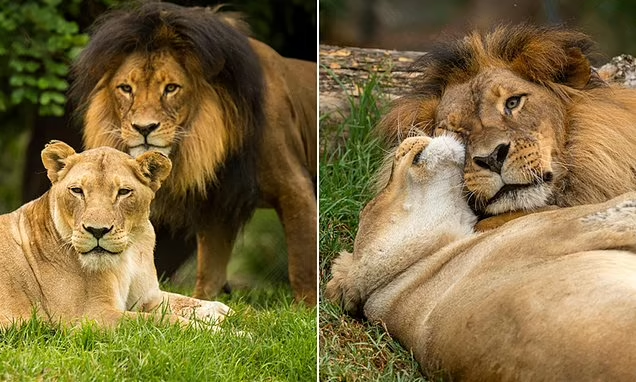
A Love Story Born in the Shadows of a Circus Leo and Muñeca’s story didn’t begin in wide-open savannas or under the freedom of the African sky—it began in the harsh, confining world of a traveling circus in Peru. For years, the pair endured chains, tiny cages, and a life far from what nature intended. But even in that environment, one thing flourished: their bond. In 2014, everything changed. Animal Defenders International (ADI), an organization dedicated to ending animal cruelty, launched a mission to rescue circus animals. Leo and his sons—Chino, Coco, and Rolex—were saved first. But heartbreak struck when Muñeca and her daughters, Africa and Kiara, were kept hidden by the circus owners, who refused to give them up. For six long months, Leo lived separated from the lioness he adored. When ADI finally tracked Muñeca down, more than 600 miles away, the reunion was nothing short of extraordinary. Once reunited, the lion couple settled into a new chapter of life in a sanctuary, where, for the first time, they were free to roam, play, and rest beneath the trees. Their sprawling 4-acre habitat gave them the space to rediscover what life should have always been. And through it all, they remained inseparable—exploring side by side, napping in the shade, and raising their pride together. When Sickness Came, Leo Became Her Guardian After nearly a lifetime together, the sanctuary was their peaceful haven. But in August, Muñeca suddenly fell ill. For a lion who had always been vibrant and strong, the change was alarming. Yet even as her strength faded, her spirit was not alone—Leo’s devotion only grew stronger. Sanctuary staff noticed Leo hovering more than usual, always close, his watchful eyes never leaving her. He gently nudged her toward her meals, as if willing her to regain her appetite. He lay beside her for hours, curling against her frail body in an unspoken promise: You’re not alone. I’m right here. Jan Creamer, president of ADI, explained that lions are deeply social creatures who rely on touch and closeness to strengthen their bonds. Leo seemed to instinctively know that Muñeca needed comfort, and he gave it to her with every cuddle, every nuzzle, every moment of patient companionship. A Heartbreaking Farewell, But A Love That Endures Despite the care, Muñeca’s health continued to decline. In September, at the age of 19, she passed away. And yet, she did not leave this world in solitude—Leo was right there with her until the very end. For her, those final moments were spent in the company of the lion who had loved her through captivity, freedom, sickness, and health. The sanctuary team, though devastated, took solace in the bond they had witnessed. For animals who had been denied so much in life, Leo and Muñeca had given each other what mattered most: love, companionship, and family. Leo’s grief was evident. He lingered in the spaces they had shared, his eyes searching for the partner who had always been beside him. Rescuers stepped in to comfort him, offering treats, affection, and extra care. Still, it was clear that Muñeca’s absence had carved a void in his heart. The Legacy of a Lion’s Love Leo and Muñeca’s journey is more than just the story of two lions—it is a reflection of resilience, healing, and the profound connections animals are capable of. Their years together remind us that love knows no boundaries, whether human or animal, and that even in the face of suffering, bonds can survive and thrive. Their rescuers continue to honor Muñeca by caring for Leo and the rest of the pride she helped nurture. And though she is gone, her spirit lives on—in Leo’s heart, in her children, and in the sanctuary that gave her the dignity of freedom in her final years. Witnessing Leo’s devotion has touched countless people around the world. It’s a reminder that love is not just a human experience—it is universal, powerful, and timeless. Leo may be mourning, but the memory of his loyalty will remain a testament to what it means to truly love and never let go. Leo’s story is heartbreaking, but it’s also profoundly beautiful. In the wild, in sanctuaries, and even in our own lives, love takes many forms. Sometimes it’s playful and light, sometimes protective and fierce, and sometimes it is the quiet, steadfast presence of someone who refuses to leave your side when the world feels heavy. Leo gave Muñeca the greatest gift he could—his unwavering companionship. And though she is gone, his love for her continues to inspire. Their story is a testament to the fact that even after loss, love leaves behind an eternal footprint.

Leo the Lion Who Never Let Go: A Husband’s Final Goodbye to His Beloved Muñeca Read More »

After Eight Decades of Labor, Grandma Somboon Finally Finds Rest

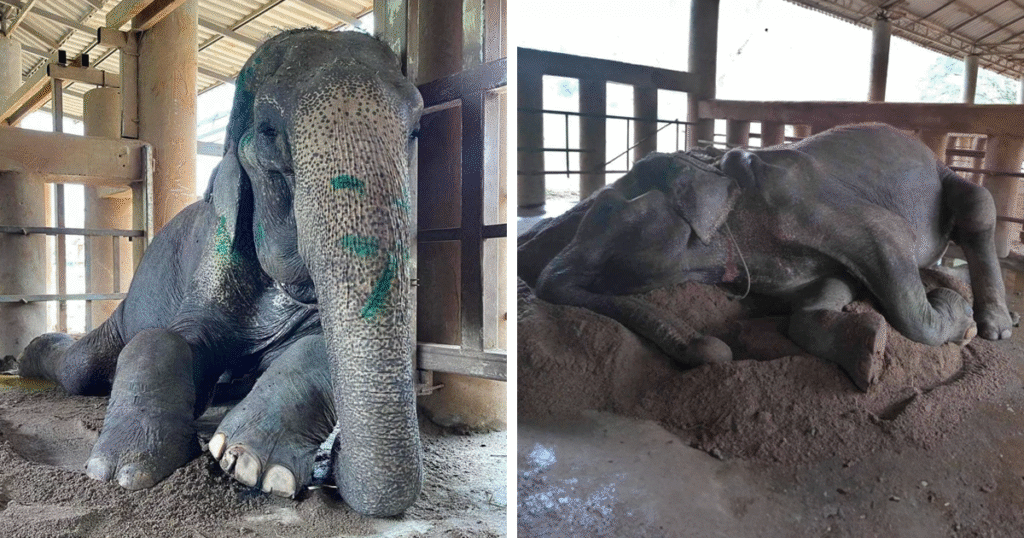
A Stolen Childhood Turned Into a Lifetime of Work For elephants in the wild, life usually means freedom, family ties, and the comfort of nature. For Grandma Somboon, that dream was taken before it ever began. As a calf, she was captured from her natural home and separated from her herd. Instead of growing up in the forest with her family, she was forced into human-controlled labor. First, she worked long, punishing days in the logging trade, pulling heavy timber under dangerous conditions. Later, when logging was reduced, she was sent into the tourism business. For tourists, she was a source of entertainment — giving rides, performing exhausting tasks, and walking under the weight of saddles for countless hours. For Somboon, it was nearly 80 years of relentless work. Day after day, year after year, she remained on her feet, never given the chance to simply relax or enjoy the life she was meant to have. The Day Her Life Changed Everything began to shift when the Save Elephant Foundation learned of her condition. A team of rescuers knew that her body and spirit deserved relief after decades of hardship. They made a plan to remove her from the life of labor and give her the dignity she had been denied. Their message was clear: it was time for Somboon to experience real care and peace. In early 2024, she was transported to her new forever home, Elephant Nature Park. The trip was long and exhausting for her, but for once, the destination promised kindness instead of more demands. When she arrived, her appearance told the story of her suffering. Her body was frail, her skin cracked and dry, and many of her teeth were gone. Her rescuers saw not just her physical struggles but also the quiet endurance of an animal that had been forced to survive a lifetime of exploitation. The First Sleep in Eighty Years Many elephants who come into sanctuary are too fearful to lie down for weeks. Resting requires trust — something that years of abuse often take away. But Somboon was different. As soon as she reached the park, she moved toward a soft mound of sand prepared just for her. Without hesitation, she lowered her body and closed her eyes. For the first time in eight decades, she slept freely, without commands or fear. Her caregivers were deeply moved. To them, the sight of her finally resting represented both heartbreak — knowing how long she had been denied this — and joy, because she was now safe enough to allow herself that comfort. The sound of her steady breathing as she slept was proof that she finally believed she was no longer in danger. A New Chapter of Peace When Somboon woke after her long rest, she struggled to lift herself back up. Her muscles, weakened from age and years of strain, needed help. Her caretakers rushed to her side, gently assisting her to stand again. Since that moment, they have remained close, carefully monitoring her health and supporting her recovery. Life at the sanctuary is slowly bringing healing. She now enjoys meals rich in nutrition to help her regain strength. She takes quiet strolls, not for work but for her own enjoyment. She cools herself with refreshing mud baths, something she never had the freedom to do during her working life. Most importantly, she is no longer valued for what she can provide, but simply appreciated for who she is. At the park, she is lovingly called Grandma, not just because of her age but because of the calm wisdom and gentle presence she carries with her. Her rescuers celebrate every small sign of her progress — every relaxed step, every satisfied meal, and every quiet nap. What once was a life of exhaustion is now being rewritten into one of comfort and dignity. Somboon’s journey is more than just her own. It shines a light on the silent suffering of elephants still trapped in logging and tourism industries. Her past is a reminder of the cruelty that exists when animals are treated as tools instead of living beings. Yet, her rescue shows that change is possible. No matter how late in life, compassion can restore dignity. Now, when Somboon settles into the soft earth to sleep, surrounded by people who care for her, her story tells the world a powerful truth: every creature deserves rest, freedom, and kindness.

After Eight Decades of Labor, Grandma Somboon Finally Finds Rest Read More »

A Mother’s Love Became the Biggest Obstacle in a Desperate Elephant Rescue

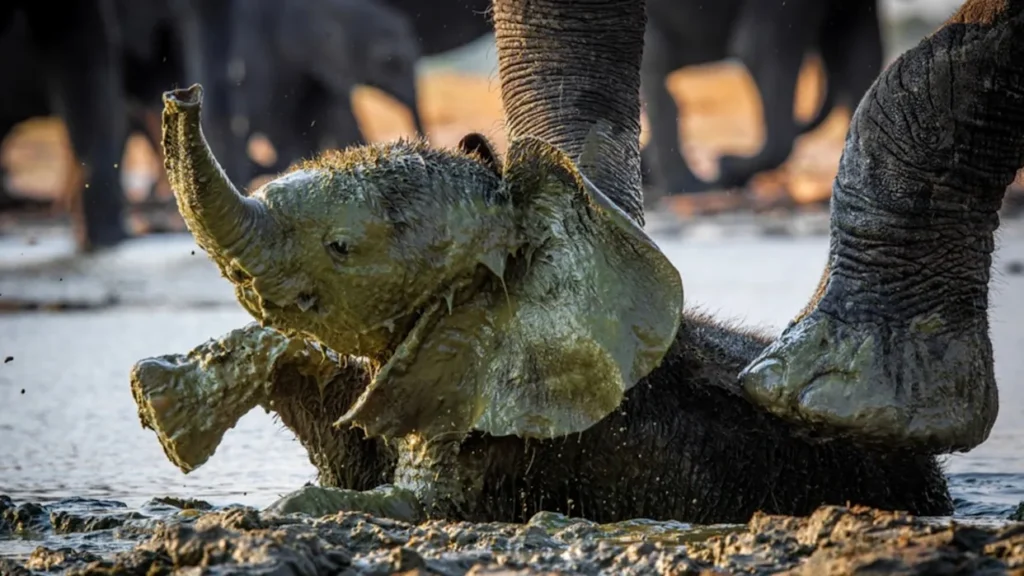
A Deceptive Oasis in a Thirsty Land In the parched, cracked landscape of Kenya during the relentless drought of 2022, the search for water was a matter of life and death. For a mother elephant and her tiny, five-month-old calf, this daily quest was a slow, arduous journey under a blistering sun. One day, they came upon what must have seemed like a miracle: a shimmering pool, a life-saving oasis in the arid expanse. But this was a cruel deception. What appeared to be a watering hole was in fact a treacherous pit of thick, sticky mud, a natural trap lying in wait for the thirsty and the desperate. The massive, fully-grown mother, her heavy body already weakened by the drought, lost her footing in the slick sludge. With a lurch, she was down, and her small calf, still utterly dependent on her for milk and protection, tumbled into the muck beside her. The promise of water had become a prison of earth. A Mother’s Helpless, Unwavering Vigil For two long days and two cold nights, the pair was held captive by the mud. Every desperate struggle to gain traction, every powerful heave of the mother’s legs, only served to drag them deeper into the pit’s unforgiving embrace. “As she thrashed around, she just got … more and more stuck,” said Sean Michael of the Sheldrick Wildlife Trust (SWT). Under the relentless heat of the sun, the mother’s immense strength began to wane. Exhaustion set in, and her frantic struggles subsided into a state of helpless resignation. But even as her own energy faded, her maternal instinct burned as fiercely as ever. She could no longer fight the mud, but she could still protect her child. With a tenderness that defied their grim situation, she draped her powerful trunk over her baby’s small body, a living shield against the harsh sun and a constant, reassuring touch in a world of fear. For the little calf, desperately in need of his mother’s milk, her presence was his only comfort. A Rescue Mission Against Instinct When a rescue team from the Sheldrick Wildlife Trust finally arrived on the scene, alerted by conservation partners, they found a heartbreaking sight. The mother was utterly spent, “fruitlessly churning her legs,” and the baby was weak with hunger and dehydration. The team, who had rescued two other elephants from this very same spot just days before, knew they had to act fast. But as they approached the calf to begin the process of digging him out, they were met with a terrifying display of maternal fury. “This mom was going crazy because she was so protective of her baby,” Michael explained. In her exhausted, terrified mind, these strange figures were not saviors; they were predators approaching her helpless child. She thrashed and protested, her love for her baby so powerful that it had become a dangerous obstacle to their rescue. She refused to budge her trunk from her calf, a defiant, silent declaration that she would protect him to her very last breath. A Reunion and a Role Reversal The rescuers were faced with a profound dilemma: to save the pair, they would have to overcome the mother’s powerful, protective instincts. With no other safe option, the veterinary team made the difficult decision to anesthetize her. Only when she was safely asleep could the team rush in and free her baby. But the bond was a two-way street. The moment the calf was on solid ground, he refused to leave his mother’s side, running back to her unconscious form and wailing with distress. With no other choice, the team had to anesthetize the loyal calf as well, so they could undertake the monumental task of freeing the mother. With a tractor, two Land Cruisers, and a great deal of digging, they finally pulled her massive body from the mud’s grip. When the vet team revived the baby first, he wobbled straight to his mother, nudging her urgently with his trunk, pleading with her to wake up. As she began to stir, a beautiful role reversal took place. The tiny calf, her small charge, confidently took the lead, guiding his mighty, exhausted mother away from the treacherous pit and back toward the safety of the wilderness.

A Mother’s Love Became the Biggest Obstacle in a Desperate Elephant Rescue Read More »

They Were Following The Wrong Moon, So A Kind Stranger Helped 61 Lost Babies Find Their Way Home.

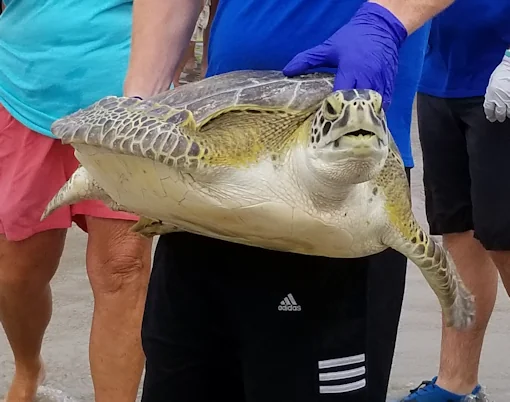
A Wrong Turn in the Darkness The beach at night is a world of soft sounds and silver light, a place where the gentle rhythm of the waves is supposed to guide the oldest of instincts. For baby sea turtles, or “hatchlings,” the moon’s reflection on the water is a celestial road sign, a beacon that has guided their kind to the safety of the ocean for millions of years. But on a recent night in Florida, that ancient map was scrambled, leading to a quiet and desperate crisis. A tourist, enjoying a peaceful late-night stroll along the shore, noticed something unusual. Far from the water’s edge, well over a hundred feet from the life-giving waves, there was movement in the high grasses. It wasn’t one or two creatures, but dozens of tiny, dark shapes, wandering aimlessly, their little flippers churning against the sand and weeds. They were baby loggerhead sea turtles, and they were going the wrong way. Instead of being drawn to the sea, they had fallen victim to a dangerous modern phenomenon: lighting disorientation. The bright, artificial lights from coastal homes and businesses had become a false moon, a treacherous lure that had tricked the hatchlings, pulling them away from the ocean and into the perilous world of land. Lost, exhausted, and hopelessly confused, they were in grave danger. A Midnight Rescue Mission Realizing the severity of the situation, the woman immediately called The Turtle Hospital’s 24-hour stranding hotline. A team of dedicated rescuers was dispatched, arriving on the scene to find the scattered group of disoriented babies. With gentle, practiced hands, they began the delicate task of gathering the tiny, lost souls. One by one, they carefully collected over 60 hatchlings, placing them into a bucket for safe transport back to their rescue center. Each one was a tiny miracle of survival, a perfect, miniature reptile whose life had taken a dangerous detour just moments after it had begun. Back at the hospital, the team’s expert care went into full swing. This was not just about getting them to the water; it was about giving them the best possible chance to survive their first, crucial hours of life. Every single turtle was given a thorough physical exam. They were weighed—each one just a few precious ounces—and the sand was gently rinsed from their eyes. They were given fluids to combat dehydration from their long, arduous journey in the wrong direction. Finally, they were placed in a special tank for a “swim test,” a chance for them to regain their strength and prove they were ready for the vastness of the ocean. A Return to the Waves After their brief period of rehabilitation, the time came for the happy ending everyone had been working toward. The team carefully transported the 61 healthy babies back to a dark, quiet stretch of beach, far from the confusing glare of artificial lights. There, under the guidance of the true moon, they were released. It was a beautiful and hopeful sight as the tiny turtles, their ancient instincts now reoriented, instinctively turned toward the sound and scent of the sea. They crawled across the sand, a determined little army on a mission, until the gentle waves of the Atlantic finally washed over them, carrying them home. A few of the hatchlings, the weaker ones who needed a little more time, remained at the hospital. There, they will continue to receive dedicated care, growing stronger each day until they, too, are ready to be reunited with the ocean. A Plea for the Future This incredible rescue is a heartwarming story, but it is also a powerful reminder of the responsibility we have to protect these beloved and vulnerable creatures. “All species of sea turtles in and around the USA are threatened or endangered, meaning they are at risk of becoming extinct in our lifetime,” Bette Zirkelbach, the general manager of The Turtle Hospital, explained. The survival of every single hatchling is critical to the future of the species. The single most important thing coastal communities can do is to minimize artificial lighting during sea turtle nesting season. Keeping lights off, closing blinds, and using special “turtle-safe” bulbs can prevent the deadly disorientation that led these 61 babies astray. If everyone does their part, these ancient mariners won’t be fooled. They will follow the moon, find their way to the waves, and continue to grace our oceans for generations to come.

They Were Following The Wrong Moon, So A Kind Stranger Helped 61 Lost Babies Find Their Way Home. Read More »

He Finally Lived His Dream Of Running An Ice Cream Shop. Then The Cops Arrived

An Unusually Sweet Morning Call In the quiet, pre-dawn hours in South Lake Tahoe, California, the world is still and peaceful. The air is crisp, the sky is just beginning to blush with the promise of a new day, and the only sounds are the gentle lapping of the lake and the whisper of the wind through the pine trees. But on this particular morning, that peace was about to be interrupted by a truly bizarre call to the El Dorado County Sheriff’s Office. A report had come in about some unusual activity at a local ice cream parlor. The lights were on, there was definite movement inside, but the shop wasn’t scheduled to open for many more hours. A classic break-in seemed likely, but the deputies were about to discover that the culprit had a very different, and much sweeter, motive than theft. When they arrived on the scene, everything seemed quiet at first. They approached cautiously, peering through the front window, expecting to see a shattered cash register or a human suspect. Instead, they were met with a sight so surreal, so utterly unexpected, that they had to do a double-take, rubbing their eyes to make sure the early morning wasn’t playing tricks on them. There, standing calmly behind the counter, looking for all the world like he owned the place, was a very large, very furry, and very focused new manager. It was a local black bear. He had, by some impressive feat of ursine ingenuity, gained access to the shop and was now in the middle of what appeared to be a very serious product-tasting session. The deputies, as the Sheriff’s Office later wrote, “could barely believe their eyes.” The New Management The scene that greeted the officers was one of pure, comical absurdity. This wasn’t a panicked animal, trapped and scared, thrashing about in confusion. This bear looked like he was living out his ultimate, lifelong dream. He was completely in his element, a kid in a candy store—or rather, a bear in an ice cream parlor. The shop was now his, and he was taking his new role as manager very, very seriously. He seemed to be conducting a thorough inventory of the frozen treats, using his powerful nose to guide him. One can only imagine his sheer, unadulterated delight at discovering this treasure trove of sugary, creamy goodness. For a creature whose diet normally consists of berries, nuts, and the occasional grub, this was the jackpot of a lifetime. He was in charge, the sole proprietor of the best-smelling place in the entire town, and he was going to make the most of his short but glorious tenure. He wasn’t just a burglar; he was an entrepreneur, fulfilling his dream of managing his own small business. A Gentle Eviction As amusing as the situation was, the deputies knew that the bear’s dream of being a beloved local ice cream shop operator had to be short-lived. A gentle, but firm, eviction was in order. They didn’t use sirens or force; instead, they began a calm and patient negotiation through the door, a conversation between law enforcement and the new furry proprietor. With some gentle encouragement—likely a few loud claps and firm, authoritative voices—they managed to persuade the furry manager that his shift was over and it was time to clock out. The bear, seeming to understand that his glorious time in paradise was up, reluctantly agreed to leave. But not before making one final, decisive executive decision. As the Sheriff’s office noted with amusement, he “showed interest in the strawberry ice cream” on his way out, perhaps grabbing one last scoop for the road as a well-earned severance package. He ambled out of the shop and back into the wild, leaving behind a story that the deputies would be telling for the rest of their careers, the tale of the furriest and most focused burglar they had ever encountered. The Tidiest Burglar in Town After the new manager had officially clocked out and disappeared back into the woods, the deputies and the shop’s actual owner finally entered to inspect the premises, bracing for the worst. They expected overturned tables, smashed glass, and a sticky, melted mess. But once again, they were met with a complete surprise. The bear, it turned out, was an incredibly considerate and tidy guest. He hadn’t ransacked the place in a wild, sugar-fueled frenzy. He hadn’t overturned tables or smashed the glass displays. In fact, aside from the obvious ice cream theft and some tell-tale paw prints, he had been a model employee. “[He] caused barely any property damage and there was barely any cleanup,” the Sheriff’s Office wrote, with a clear note of admiration in their post. The enterprising bear had fulfilled his dream. For one glorious morning, he was the proud manager of his very own ice cream parlor. He had conducted a thorough quality control check of the inventory, he had chosen his favorite flavor, and he had left the place in surprisingly good order. It was a story with no damage, no injuries, and a very happy ending for a bear with a serious sweet tooth and a short but brilliant career in the frozen dessert industry.

He Finally Lived His Dream Of Running An Ice Cream Shop. Then The Cops Arrived Read More »

The story of a wild pony rescued from a horrific phone cable entanglement who is now healing at a sanctuary.

  Trapped in a Verdant Prison In a lush, green forest, a crisis unfolds. A beautiful wild pony is in grave danger. His leg has become entangled in a phone cable. A man-made object creating a natural nightmare. The white horse stands amidst the verdant foliage. Moss-covered branches lay on the forest floor. The scene should be one of peace and serenity. Instead, it is a picture of a perilous predicament. The animal is caught, a prisoner in his own home. The cable is a treacherous, unnatural snare. This is a heartbreaking and dangerous situation. The creature’s freedom has been cruelly stolen. He is a beautiful, dapple-gray equine. His long mane is a cascade of white. He stands silently, caught in the trap. This is a stark reminder of humanity’s impact. Our discarded technology can be a deadly threat. The serene woodland has become a place of peril. The poor creature is completely helpless. His beautiful, natural world has been compromised. A tragic, and all too common, scene. The pony’s majestic form is a stark contrast. To the ugly, dangerous wire that binds him. A beautiful animal in a terrible situation. A silent plea for help from the wilderness. This is where the rescue story begins. A moment of crisis in a tranquil forest. The first glimpse of the pony’s terrible plight. A beautiful creature in need of urgent assistance. A heartbreaking sight in a beautiful place. The beautiful forest holds a sad secret. A wild animal ensnared by human carelessness. A truly tragic and upsetting discovery. The need for intervention is immediately clear. A life hangs in the balance in this green prison.       The Agony of Entrapment Upon arrival, the rescuers saw the grim reality. The pony was in a truly horrific state. This close-up image reveals the extent of the damage. The thick, black cable is wrapped tightly. It encircles the lower part of his leg. The wire has cut deep into his flesh. The area is swollen, raw, and painful. This is a picture of immense suffering. The poor creature has been in agony. The thick green grass surrounds his injured limb. A stark contrast of life and pain. The pony’s white coat is stained with dirt and grime. This injury is severe and life-threatening. The cable is a brutal, unforgiving restraint. Every movement must have caused excruciating pain. This is a truly heartbreaking sight to witness. The severity of the situation is undeniable. The animal’s suffering is palpable. This is a powerful and distressing image. It highlights the urgency of the rescue. The damage caused by the entanglement is severe. This is a look at the true cost of pollution. A living being is paying a terrible price. The rescuers knew they had to act fast. This was a life-or-death situation. The pony’s agony is the focus of this shot. A powerful reminder of the dangers of debris. This is a truly gut-wrenching scene. The pain and suffering are all too clear. A difficult and emotional sight for the rescue team. The true, horrific state of the animal. A powerful motivator for the team. They had to end his suffering immediately. A truly awful and devastating injury. The challenge ahead was immense.   A Desperate Plea at Dusk As the day began to fade, the urgency grew. The rescuers, including a man named Nathan, saw the pony. He was struggling in a wide, open field. The light was dimming, casting long shadows. “And we knew we had to do something very quickly.” This was a race against the approaching night. The pony was dragging the tangled mess of cable. The heavy wires were a terrible burden. He looks exhausted, defeated, and desperate. His head is low, his movements are labored. This is a picture of a creature at its limit. The setting sun adds to the drama of the scene. The rescuers had to intervene before it was too late. The risks would increase in the darkness. The animal’s desperation was a powerful call to action. This was a critical, time-sensitive moment. The fate of the pony hung in the balance. Nathan and the team prepared for the rescue. Their swift action was absolutely essential. This was a moment that required courage and skill. The pony’s struggle was a heartbreaking sight. He was a beautiful creature in a desperate situation. The need for help was immediate and profound. The rescuers felt the weight of this responsibility. They had to save this beautiful, suffering animal. The final moments of light were slipping away. A dramatic and emotional scene unfolds. The rescue was about to begin in earnest. A beautiful, wild creature’s life was on the line. The team knew they could not fail. A powerful image of desperation and hope. The race against time had officially begun. The moment of truth was at hand. A truly pivotal and tense moment. The prelude to a life-saving intervention.   A Gentle Intervention The difficult rescue operation is now underway. The team has managed to get close to the pony. He is now lying on his side in the tall grass. He appears to be sedated or perhaps just exhausted. This allows the rescuers to work safely. They are being incredibly gentle and careful. Hands are seen working around the pony’s head. A rope has been fashioned into a temporary halter. This provides a measure of control and guidance. The focus is on keeping the animal calm. The intervention is delicate and precise. This is a picture of expertise and compassion. The rescue team is skilled and dedicated. They are working together to save this life. The green pad beneath the pony provides some comfort. Every detail is considered in this operation. This is the moment the pony is finally freed. The painful cable is about to be removed. A quiet, focused, and intense scene. The team’s gentle approach is admirable. They are treating this wild animal with respect. This is a beautiful example of a

The story of a wild pony rescued from a horrific phone cable entanglement who is now healing at a sanctuary. Read More »

Rescuing Hope: The Incredible Story of a Leopard Pulled from the Depths

A Perilous Predicament Deep within the unforgiving confines of a man-made chasm, a magnificent leopard finds itself in a desperate struggle for survival. The image captures the raw, visceral terror of its situation, a moment frozen in time that speaks volumes of its ordeal. Partially submerged in the cold, opaque, and muddy water, the creature’s beautifully spotted coat is darkened and heavy, clinging to its powerful frame and robbing it of its natural grace. Every muscle appears tense, a coiled spring of anxiety and latent power held in check by the sheer, inescapable walls of the well. Its face, a mask of primal fear and defiance, is turned towards a world it can no longer reach. The mouth is agape, not in a roar of aggression, but in what seems to be a desperate, soundless plea or a gasp for air and hope. The pink interior of its mouth and its formidable teeth are starkly visible, a reminder of the wild power now rendered helpless. A raw, crimson gash above its eye serves as a brutal testament to the violent, fifty-foot plummet it miraculously survived—a fall that could have easily claimed its life. The sheer force of that impact is unimaginable, yet the leopard endures, a symbol of incredible resilience against overwhelming odds. Its eyes, wide and luminous, reflect the dim light filtering down from above, mirroring a maelstrom of confusion, pain, and the instinctual will to live. The water around it is a murky soup of soil and stray leaves, offering no comfort, only a chilling, relentless dampness that saps its strength.There are no footholds, no branches, no hope of purchase for its sharp claws. This circular prison, dark and foreboding, isolates the leopard from its natural habitat, trapping it in a terrifying, alien environment. The silence of the deep well must be deafening, broken only by the sound of its own breathing and the gentle lapping of the water against its soaked fur. It is a portrait of profound isolation and a desperate fight against a slow, creeping fate. The Arrival of Assistance Into the bleak despair of the leopard’s watery prison, a new element descends, breaking the vertical lines of the well and signaling a dramatic shift in the narrative. This image documents the first tangible glimmer of hope, the arrival of a potential lifeline from the world above. A large, sturdy-looking cage, its form stark and geometric against the organic texture of the earthen walls, is carefully being lowered by a network of thick, taut ropes. Its presence introduces a foreign, man-made object into this scene of natural struggle, a symbol of human intervention. The cage panels are adorned with a camouflage pattern, a thoughtful, albeit slightly ironic, attempt to make the intimidating metal structure appear less alien to the wild animal. Its body is still largely submerged, but its head is raised, its attention fully captured. The text overlay provides the crucial context for this intervention: a call for help was made to Wildlife SOS, a name that signifies expertise and compassion in the realm of animal rescue. This is not a random act but a coordinated, professional response to the creature’s plight. The ropes, pulled by unseen hands, are the physical connection between the trapped animal and its saviors, a fragile yet determined link spanning the fifty-foot divide. One can almost imagine the quiet commands and the focused effort taking place at the lip of the well, a team working in unison to guide the cage safely down. For the leopard, this descending box is an enigma—is it a threat or a promise of salvation? Its cautious posture suggests it is weighing this very question, its survival instincts on high alert as it assesses this unexpected development in its dark, secluded world. The splash of water anticipates the cage’s arrival, marking the imminent meeting of the wild and its would-be rescuers. A Coordinated Effort The perspective shifts to a high-angle view, looking down into the well as if from the vantage point of the rescuers themselves. This aerial shot provides a comprehensive look at the unfolding rescue operation, emphasizing the strategy and teamwork involved. The leopard remains the central focus, its beautifully patterned back a stark contrast to the murky brown water that surrounds it. From this angle, we can appreciate the sheer depth of the well and the animal’s complete inability to escape on its own. It is no longer snarling or panicked but appears to have entered a state of watchful waiting, its body angled towards the rescue apparatus. Its gaze is fixed upwards, tracking the cage’s deliberate and steady progress. The narration from Erica, the Dodo producer, gives a voice to the action, explaining that the team is working “all together” to “pulley the cage down.” This simple phrase underscores the critical importance of collaboration; a single individual could not perform this delicate task. It requires the combined strength and coordination of a dedicated group to manage the weight of the cage and the tension on the ropes, ensuring a slow, controlled descent that will not frighten the already traumatized animal. The pulley system, though unseen, is the mechanical heart of this operation, a tool of simple physics being used to overcome a life-threatening challenge. The leopard’s stillness is profound; it seems to be conserving its precious energy, placing a sliver of trust in the process unfolding above it. Its intelligence is palpable; it appears to be analyzing the situation, perhaps beginning to understand that this strange intrusion is not an attack but a deliberate and purposeful maneuver designed for its benefit. This frame is less about the animal’s immediate peril and more about the intricate dance of the rescue itself—a testament to human ingenuity and empathy directed towards saving a life. Image 4: An Invitation to Safety This image brings us closer to the leopard once more, capturing its perspective with poignant intimacy. The great cat is still treading water, its powerful body working tirelessly to stay afloat. Its

Rescuing Hope: The Incredible Story of a Leopard Pulled from the Depths Read More »

The Turquoise Communion: A Tale of a Fluffy Cow and His Devoted Duck.

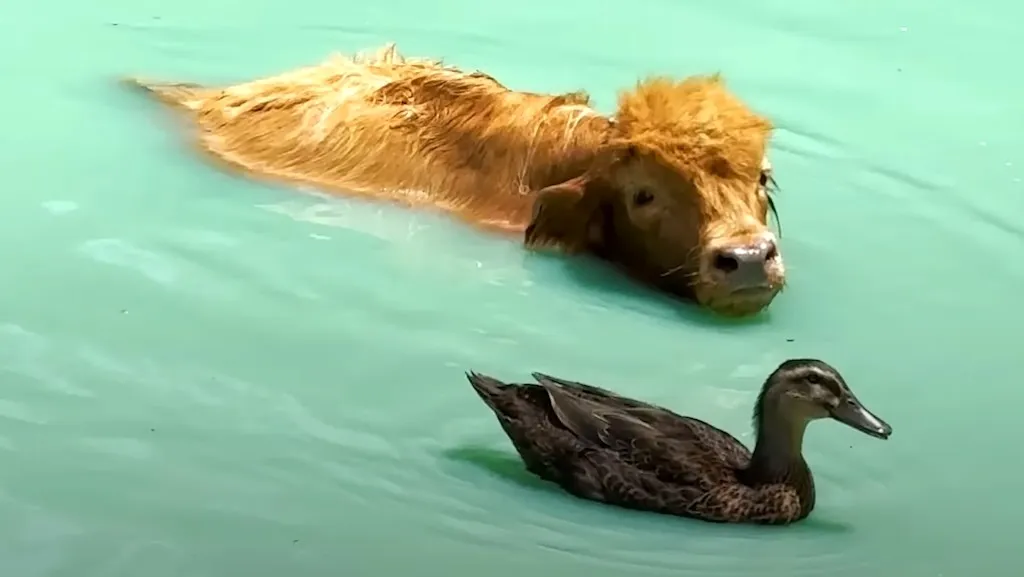
An Unlikely Aquatic Brotherhood’s Morning Ritual In a quiet corner of the world, a truly extraordinary friendship blossoms, Defying the conventional boundaries of the animal kingdom. This is the story of a devoted, perhaps even “needy,” duck, And the gentle, fluffy highland cow he has chosen as his brother. Their unique and deeply touching bond is solidified each dawn, In the cool, turquoise embrace of their private, placid pond. This is their sacred, daily ritual, an aquatic communion, A serene, shared swim that reaffirms their unusual kinship. The image captures the surreal beauty of their morning rendezvous, A ginger-furred bovine submerged peacefully in the vibrant water, While his loyal, web-footed companion paddles faithfully alongside him. It is a scene of profound and unexpected interspecies harmony, A living portrait of a brotherhood that defies all explanation. The duck’s neediness is not a flaw, but a testament to his affection, A powerful, gravitational pull towards his much larger, gentle friend. He finds comfort and companionship in the cow’s massive, tranquil presence, Choosing to share this quiet, immersive experience every single day. This is not a fleeting, chance encounter, but a cherished, established routine, The beautiful, predictable start to their shared existence. The visual contrast between the two is striking and heartwarming, A feathered, dark-hued bird and a woolly, horned mammal. Yet, in the water, they are simply two brothers, enjoying a peaceful moment, Their differences dissolving in the shimmering, turquoise medium. This is the story of a bond that was not taught, but intuitively formed, A testament to the mysterious, empathetic connections of the heart. A Subtle Signal of Bovine Bliss The quiet, daily spectacle of this unusual pair is observed with affection, By their human caregiver, Breanne, who appreciates the subtle nuances. She notices the small, almost imperceptible gestures that convey deep emotion, The quiet, unspoken language of contentment in the animal world. As the cow, a magnificent, fluffy behemoth, glides through the water, His dark, devoted avian brother keeping perfect, synchronized pace, Breanne points out a tiny, yet profoundly significant, detail. “There y’all go,” she murmurs, her voice filled with gentle admiration, As she spots the tell-tale sign of her bovine’s happiness. “That little tail wag!” she exclaims, celebrating the subtle signal, A gesture that might be missed by a less attentive observer. This is not the boisterous, sweeping wag of a canine, But a gentle, almost underwater flicker, a subtle twitch of pure bliss. It is the cow’s quiet, understated way of expressing his utter contentment, A physical manifestation of the joy this morning ritual brings him. The wag is a response to the cool water, the warm sun, And, undoubtedly, the steadfast, comforting presence of his best friend. This small detail adds a new layer of depth to their story, Revealing the reciprocal nature of their remarkable bond. The duck’s devotion is not unrequited; it is returned in kind, Acknowledged in the quiet, happy language of a contented cow. Breanne’s observation allows us to see beyond the unusual pairing, And to recognize the genuine, shared happiness at its core. This is a portrait of bovine bliss, confirmed by the smallest of gestures, A tail wag that speaks volumes about a heart at perfect peace. A Serene Portrait of Interspecies Harmony From a more distant perspective, the scene transforms into a living painting, A serene and beautifully composed portrait of interspecies harmony. The turquoise water of the pond serves as a vibrant, minimalist canvas, Upon which the story of this unlikely friendship is elegantly displayed. The gentle, concentric ripples that emanate from their slow, deliberate movements, Are the only disturbance on the otherwise glassy, tranquil surface. The fluffy, ginger-hued highland cow is a study in peaceful immersion, His massive form rendered graceful and almost weightless by the water. He appears completely at ease, a creature in its element, Despite the fact that his species is not typically known for aquatic pursuits. His small, dark companion, the ever-faithful duck, is a perfect counterpoint, A sleek, feathered shadow that never strays far from the cow’s side. Together, they create a moving, breathing tableau of companionship, A silent, powerful testament to the irrelevance of physical differences. There is no sense of hierarchy or discord in their interaction, Just a simple, profound, and comfortable sense of togetherness. This wider view allows us to appreciate the peacefulness of their sanctuary, A secluded pond, fringed by lush greenery, that is their private world. It is a space where the rules of nature seem to have been gently rewritten, Allowing for the formation of a bond that is as beautiful as it is improbable. This is a moment of pure, unadulterated tranquility, A quiet interlude in the lives of two very different, yet deeply connected, souls. Their shared swim is a form of silent, moving meditation, A daily affirmation of their unique and unbreakable kinship. The image captures the very essence of their relationship: Peaceful, harmonious, and utterly devoted. A Shadow of Devotion on Dry Land As soon as the highland cow, now introduced as the wonderfully named Dumplin, Emerges from his refreshing morning swim, his companion is never far. The ever-devoted duck, whose name we learn is Milkshake, Immediately resumes his position as Dumplin’s loyal, web-footed shadow. Milkshake’s “needy” nature, as it was initially described, Is here reframed as a beautiful and unwavering form of devotion. He is not just a swimming partner; he is a constant, steadfast confidante, Whose world seems to revolve entirely around his gentle, bovine brother. He trots along faithfully, his small form a stark contrast, To the immense, shaggy presence of the magnificent Dumplin. The image captures this terrestrial aspect of their companionship, A quiet, pastoral scene of two friends enjoying a grassy pasture. Milkshake’s proximity to Dumplin is not accidental; it is deliberate, A conscious choice to remain within the comforting orbit of his friend. Their brotherhood is not confined to a single activity, It is a full-time, all-encompassing feature of their daily lives. From the cool waters

The Turquoise Communion: A Tale of a Fluffy Cow and His Devoted Duck. Read More »