Wildlife

Billy the Koala: A Survivor of the Fires

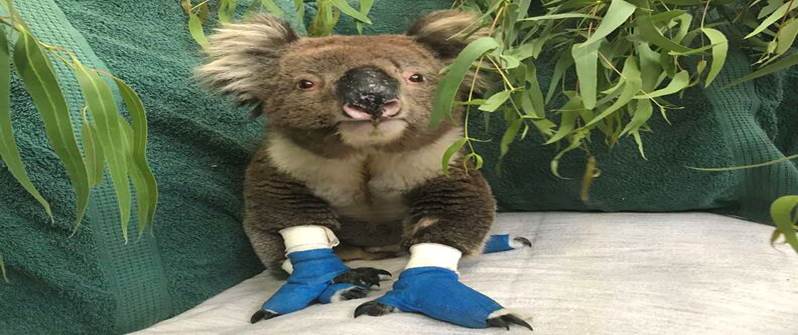
In the midst of the devastating Australian bushfires, countless animals were displaced, injured, or killed. Among them was Billy, a large koala found clinging desperately to a tree in a backyard in Adelaide Hills, Australia. The fires had destroyed the surrounding area, leaving ash and scorched earth as far as the eye could see. Billy’s tiny body was covered in soot, and he had suffered severe burns on all four of his paws. The sight was heartbreaking — a wild animal, vulnerable and alone, in urgent need of care. When rescuers arrived to save him, Billy let out a loud, pitiful cry. Yet, the moment he was gently lifted and placed into a carrier, something remarkable happened: he seemed to sense that he was finally safe. He settled down, snuggling into the confines of the carrier as if instinctively trusting the humans who had come to help. For Billy, this marked the beginning of a long road to recovery — and the start of an extraordinary bond with his new caregivers. A Makeshift Home for Healing Billy was taken in by Lucy and Adam Francis, experienced koala carers who work with 1300Koalaz, an organization dedicated to rescuing and rehabilitating injured and displaced koalas. The couple has been deeply involved in wildlife rescue for years, but the recent wildfires had made their work particularly challenging. They had already seen firsthand the devastating toll on animals, and Billy’s arrival underscored the urgency of their mission. Due to the severity of his burns, Billy could not use the typical koala enclosures. His bandaged paws prevented him from climbing or moving comfortably, and standard habitats were unsuitable. Lucy and Adam quickly improvised, creating a makeshift enclosure in their kitchen. A camping mattress provided a soft place to sit, while a pillow was placed behind him to help him lean back comfortably, compensating for the awkward position his injuries forced him into. “He was clearly in shock, frightened and covered in soot and ash from the fire,” Lucy Francis recalled. “We wanted to be close to him always, so he would feel safe and supported as he healed.” Even in this temporary setup, it was evident how resilient Billy was. Despite the trauma he had endured, he remained remarkably gentle and calm. Trusting His New Friends Billy’s temperament was extraordinary. Though he had endured severe pain and disorientation, he displayed a remarkable trust toward his caregivers. Lucy Francis recalled a particularly telling moment: “When Billy first came to us and might have bitten my husband’s hand had he been a different-tempered koala, he sniffed it and licked it gently instead. It was like he was saying, ‘I know you’re here to help.’” The Francis family dedicated themselves to gaining Billy’s trust and making his recovery as comfortable as possible. They spoke quietly, gently stroked his fur, and handled him with care during every medical procedure. Even when applying creams to his burns or administering vitamins — tasks that many animals find stressful — Billy remained cooperative, almost as if he understood that these treatments were necessary for his healing. “His personality is so gentle and calm, even when we have to rub cream into his blisters and burns, or administer his vitamin mixture — which we’re really sure he hates — it’s like giving a very furry, reluctant child their medicine,” Francis said. “He even holds our hands with his back paws when we apply cream to his coccyx burn.” This trust was a testament not only to Billy’s gentle nature but also to the compassionate care he was receiving. The bond between Billy and his caregivers grew stronger each day, and his willingness to accept help made it clear that he understood he was safe. The Long Road to Recovery Initially, Billy was so weak that he could barely feed himself. His burns had left him in significant pain, and his energy levels were extremely low. Lucy and Adam carefully supplemented his diet with additional food and vitamins to ensure he had the strength to begin healing. They monitored him constantly, adjusting his care as he gradually regained mobility and appetite. “As the days went by, Billy started to get stronger and happier,” Lucy Francis said. “Even though he had been through so much, he was showing signs of his old self — curious, gentle, and calm.” Billy’s recovery was steady but required patience. Every improvement, from lifting his head higher to taking more confident steps, was celebrated by his caregivers. They also made adjustments to his temporary enclosure as he gained strength, allowing him to practice moving in a controlled environment. Despite the severity of his injuries, Billy never lost his trust in humans — a fact that Lucy and Adam found both remarkable and heartwarming. Looking Toward the Future Although Billy is making incredible progress, he is not yet ready to return to the wild. His paws need time to fully heal, and he must regain the strength to climb trees and navigate his natural habitat. Yet even in this interim period, he is thriving in a safe and loving environment, experiencing comfort and care that he had been denied in the aftermath of the fires. “We can’t wait to see him fully recover and release him in a big, beautiful gum tree one day,” Lucy Francis said. “Although he will leave a very big Billy-shaped hole in our home and in our hearts.” Billy’s story highlights both the fragility and resilience of wildlife affected by natural disasters. His gentle nature, remarkable trust, and the devoted care he receives serve as a testament to the importance of rescue efforts and rehabilitation for injured animals. For now, Billy enjoys the warmth, safety, and companionship provided by his caregivers, who have become his family. In the months to come, when Billy is ready to rejoin the wild, he will carry the strength built through love and care — a living example of hope and recovery. Until then, he can simply relax, heal, and

Billy the Koala: A Survivor of the Fires Read More »
Nobody Can Figure Out How This Deer Fits Behind A Tree

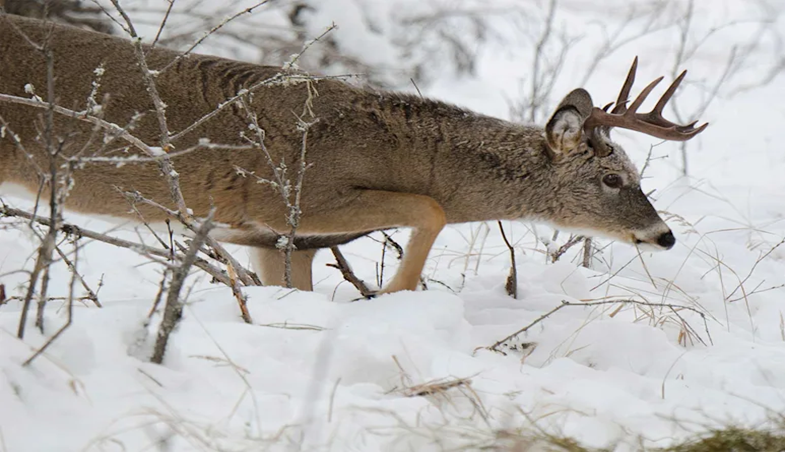
In Huntington, Indiana, Jenny McMillan has grown used to seeing white-tailed deer pass through her backyard. Especially during the winter months, when food is scarce and snow blankets the ground, the graceful animals wander in search of anything edible. Their quiet visits have become part of the seasonal rhythm around her home. One chilly afternoon, Jenny sat by her family room window watching the familiar scene. A group of deer had gathered as usual, carefully pawing at the snow. But then something odd caught her eye. One of the larger deer stepped toward a narrow tree — and then seemed to disappear. From where Jenny sat, she could only see the deer’s head sticking out from behind the tree trunk. The animal’s body, which should have stretched far beyond the slim tree, was nowhere to be seen. Puzzled and amused, Jenny quickly reached for her phone. She snapped a photo, wanting to capture the strange moment before the deer shifted away. The Disappearing Deer When Jenny looked at the picture, the illusion was even stronger. The deer’s head poked out clearly, but the rest of her body had seemingly melted away into the tree. It looked as if the animal had been swallowed up by the trunk, leaving onlookers scratching their heads. “I have no idea how to make a body go missing in a photo,” Jenny later explained. “I’m an old lady. It was just taken at the right moment.” There was no trick photography, no clever editing — just a well-timed snapshot that managed to puzzle hundreds of people. What Jenny had captured was a perfect example of how perspective and timing can play tricks on the human eye. Still, that didn’t stop people from coming up with wild and funny theories about what could possibly explain the disappearing deer. The Internet Tries To Solve The Mystery When Jenny posted the photo to Facebook, she thought it would give her friends and neighbors a good laugh. What she didn’t anticipate was the flood of reactions and the mini-detective game that followed. People began sharing the image widely, each person adding their own take on how the deer had pulled off such an impossible illusion. Some insisted the deer must be balancing on her front legs, like a circus performer mid-trick. Others joked that maybe this deer was born with an unusually short body, making it easier to hide behind even the thinnest tree. Memes, doodles, and guesses poured in, each more playful than the last. Yet even with all the creative speculation, no one could land on a definitive explanation. The mystery of the disappearing deer seemed unsolvable — which only made the photo all the more entertaining. Why Optical Illusions Capture Us Part of the fascination with Jenny’s photo lies in how much it messes with our sense of reality. The human brain is wired to look for patterns and make sense of visual information. When something doesn’t add up — like a deer that seems too large to hide behind a spindly tree — it forces us to stop and question what we’re seeing. Optical illusions like this aren’t new. Photographers, both professional and amateur, often stumble upon “trick shots” where perspective lines up in surprising ways. Sometimes, one object perfectly blocks another. Other times, shadows, lighting, and angles combine to make familiar shapes look entirely different. Jenny’s deer photo fits neatly into this tradition. It’s a reminder that nature itself often creates the best illusions, no editing required. A Snapshot That Sparked Joy For Jenny, the entire experience was a delightful surprise. What began as an ordinary afternoon watching deer turned into a viral moment that spread far beyond her backyard. “I just thought it was funny,” she admitted. But soon she realized her snapshot was bringing laughter and curiosity to thousands of people online. At a time when social media can often feel heavy or overwhelming, a simple photo of a deer playing hide-and-seek behind a tree reminded everyone of the joy in little things. Whether the deer was perfectly aligned with the tree, whether its body was hidden by a trick of the light, or whether it was just a lucky angle, the truth hardly matters anymore. What matters is the smile the photo continues to bring to anyone who sees it. A Mystery That Might Never Be Solved The deer eventually moved on, leaving Jenny’s yard and taking its optical trick with it. No one knows exactly how the illusion came together in that fleeting instant, and maybe that’s the best part. Like so many mysteries in nature, the magic is in not fully knowing. Each time someone looks at the photo, they’re pulled into the puzzle again — tilting their head, zooming in, and laughing at how impossible it seems. As Jenny put it: “It was just taken at the right moment.” And sometimes, the right moment is all it takes to turn an ordinary snapshot into something unforgettable.

Nobody Can Figure Out How This Deer Fits Behind A Tree Read More »

Fishermen Race Boat Back To Shore After Unexpected ‘Catch’

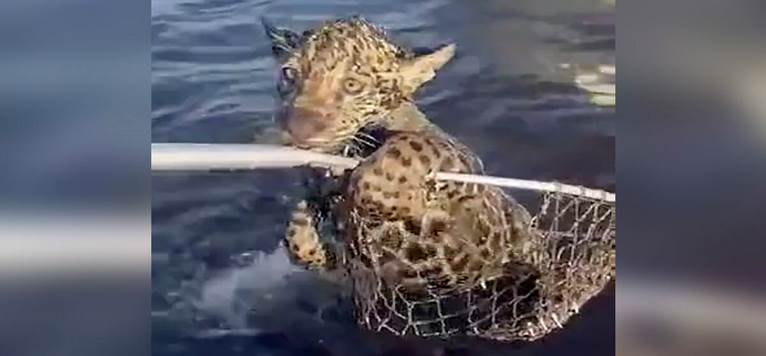
Earlier this month, Vanderlei Rabi and a few friends set out for what they thought would be a routine fishing trip along the rivers of Brazil’s Pantanal wetlands — one of the richest ecosystems in the world. Known for its breathtaking scenery and abundant wildlife, the Pantanal often provides glimpses of capybaras, caimans, and countless birds along its banks. But what began as a calm day of fishing quickly turned into a life-saving mission that none of them would ever forget. As the group steered their boat back toward shore, Rabi spotted a figure moving in the water ahead of them. At first glance, he assumed it was a capybara, one of the area’s most common river-dwellers. “I asked the one steering the boat to take us there to see,” Rabi told The Dodo. “When we got there, we realized it wasn’t a capybara.” Instead, to their surprise, it was something much rarer — a tiny jaguar cub, paddling frantically and struggling to stay afloat. A Cub In Desperate Need The sight immediately concerned Rabi and his companions. Jaguars are strong swimmers, and while cubs often follow their mothers across rivers, this one appeared exhausted and disoriented. Looking ahead, Rabi spotted a female jaguar climbing out of the water onto the distant bank, leading two other cubs. It became clear that this youngster had fallen behind during the crossing. Afraid the cub might not survive without help, the fishermen decided they couldn’t just stand by. With quick thinking, they lowered one of their fishing nets into the water and carefully scooped the cub to safety. The little jaguar clung tightly to the net, too tired to resist, as the men gently lifted him aboard. A Safe Return To Shore Once the cub was secured, the fishermen quickly turned the boat toward the nearest bank. Their goal was not to interfere with the jaguar family but to reunite the cub with his waiting mother. When they reached land, the men lowered the net, allowing the cub to crawl onto solid ground. But even then, the frightened youngster refused to let go of the net, his tiny claws gripping it tightly as though it was a lifeline. Understanding that lingering too close could frighten the mother away, Rabi and his friends retreated immediately, leaving the cub in peace. They hoped their intervention gave him the strength and chance he needed to rejoin his family. “To have been able to help was a sensational feeling,” Rabi said, reflecting on the unforgettable encounter. Experts Praise Their Quick Thinking News of the rescue quickly spread, and wildlife experts weighed in. Biologist Henrique Abrahão Charles applauded the fishermen’s decision to intervene, noting that while jaguar cubs are naturally capable swimmers, this one clearly needed help. “The cub calls the mother — he knows,” Charles explained to G1 Globo News. “The mother does not abandon the cub. They communicate. The jaguar has a very powerful sense of smell, good hearing, and excellent vision. There are methods of vocalization for the cub. She will look for him, he will call for her.” Charles added that by returning the cub close to where his mother had last been seen, the fishermen maximized the chances of a quick reunion. A Story Of Compassion And Respect For Nature Though the outcome of the reunion wasn’t directly observed, experts are confident that the mother would have quickly located her lost cub. Jaguars are highly attentive to their young, and mothers rarely abandon them. The rescue serves as a powerful reminder of the importance of human compassion and careful action in moments of crisis. Instead of treating the animal as a curiosity or potential threat, Rabi and his companions acted with respect, ensuring they gave the cub the best chance at survival without unnecessary interference. For Rabi, what began as a fishing trip turned into a life-changing experience. He and his friends set out hoping for a good catch — but what they pulled from the river that day was far more meaningful. They had given a vulnerable jaguar cub a fighting chance to live, and in doing so, they had written themselves into the story of the Pantanal’s wild beauty.

Fishermen Race Boat Back To Shore After Unexpected ‘Catch’ Read More »

Grateful Baby Beaver Smiles At Rescuers After Her Life-Saving Rescue

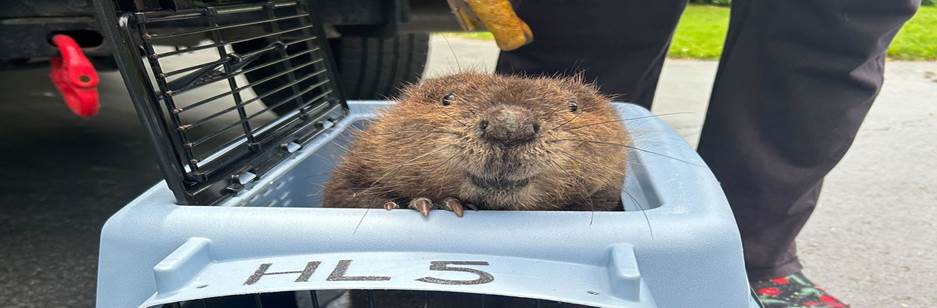
When the staff at Loudoun County Animal Services (LCAS) in Virginia came across a baby beaver in the middle of an open field, they knew something was wrong. Beavers are naturally shy, quick-moving creatures, rarely found wandering in the open — especially not far from water. Yet this little one sat slumped and lethargic, unable to scurry away when officers approached. Her exhaustion and sluggish movements were completely out of character for a wild animal, and alarm bells rang immediately. Concerned for her safety, the officers gently scooped her up and transported her to Kristi’s Caring Hands Wildlife Rehabilitation and Education (KCHWRE), a local facility known for helping injured wildlife. But when the caregivers there examined her, they realized her condition was far more serious than they could handle. Without hesitation, they arranged a transfer to the Blue Ridge Wildlife Center (BRWC), where she could receive specialized medical care. It was a crucial decision — one that may have saved the young beaver’s life. A Critical Diagnosis And A Fighting Chance At BRWC, the veterinary team quickly assessed the little patient. What they found was heartbreaking. The beaver, likely only a year old, was suffering from severe pneumonia and possible internal trauma. “On admission, our veterinary team noted that she was weak with labored breathing,” the center shared on Facebook. “X-rays indicated pneumonia or fluid from near-drowning, as well as trauma on the left side.” The possibility of near-drowning, coupled with the injuries, suggested she had been through a harrowing ordeal — perhaps washed out of her family’s dam during flooding, or caught in a collapse. Whatever had happened, the young beaver’s survival now depended entirely on the dedicated team at BRWC. Despite the grim findings, the veterinarians were determined to fight for her. They placed her on supportive care, monitoring her around the clock, and giving her every chance to recover. Even in her fragile state, the little beaver seemed to sense that she was finally safe. One photo captured her lying comfortably, her expression appearing almost like a smile. For many, it was proof that animals — even those unable to speak — can express gratitude in their own ways. “She looks like she’s smiling,” one supporter, Erin Hurst Edwards Anastasiou, commented online. “She’s grateful to have been rescued.” Recovery And Signs Of Hope Over the following days, the baby beaver’s progress was nothing short of inspiring. With antibiotics, fluids, and careful monitoring, her breathing gradually improved, and her appetite slowly returned. By the end of the week, the team noticed a transformation in her demeanor. No longer withdrawn and lethargic, she began to show curiosity about her surroundings. For the first time since her rescue, she seemed to be regaining the spark of life she had nearly lost. “We suspect this youngster — likely last year’s baby — was flooded out of their dam or may have even experienced a dam collapse,” BRWC explained. “Her improvement in appetite and demeanor has been remarkable.” Videos shared by the center showed her nibbling eagerly on fresh greens, her little paws clutching food with renewed strength. For the caregivers, these small signs of progress were powerful reminders of why their work mattered so deeply. Each day brought new hope that this sweet girl would eventually recover enough to return to the wild. A New Home And A Second Chance At Life Within a month, the pneumonia had cleared, her injuries had healed, and her once-fragile body grew stronger. But while her health was no longer in immediate danger, another challenge remained: her long-term care and eventual reintegration into the wild. Beavers are social animals, and young ones especially benefit from the company of their own kind. Unfortunately, BRWC didn’t have specialized facilities or dedicated enclosures for beavers, as they rarely treated them. That’s when the Southwest Virginia Wildlife Center of Roanoke (SWVWCR) stepped in. With their expertise and resources, they provided the young beaver with a safe environment and, most importantly, the companionship of other rescued beavers. “Although her issues have since resolved, it has been a challenge to keep weight on this patient, and beavers this age really need to be with conspecifics in enclosures made for the species,” BRWC shared. “As we do not treat many beavers each year, transferring this patient was the best option.” Now thriving in her new environment, the once-weak beaver continues to grow stronger each day. She is not yet ready for release, but her caregivers are optimistic. With time, she will be able to return to the wild, ready to build dams and live as nature intended. Until then, her rescuers say she continues to greet life with that unmistakable “smile” — a reflection of her resilience and the kindness of those who refused to give up on her. A Village Of Compassion Her story is more than just one animal’s recovery — it’s also a testament to the power of collaboration. From the quick-thinking officers at LCAS, to the initial care at KCHWRE, to the intensive treatment at BRWC, and finally the transfer to SWVWCR, it truly took a network of dedicated people to save one fragile life. “We are so fortunate in Virginia to have such an amazing network of permitted wildlife rehabilitators,” BRWC wrote. “It truly takes a village.” And for this grateful little beaver, that village made all the difference. Against all odds, she now has a second chance at life — one that she seems determined to make the most of.

Grateful Baby Beaver Smiles At Rescuers After Her Life-Saving Rescue Read More »

A Beach Walk Turns Into A Once-In-A-Lifetime Encounter With A Baby Skate

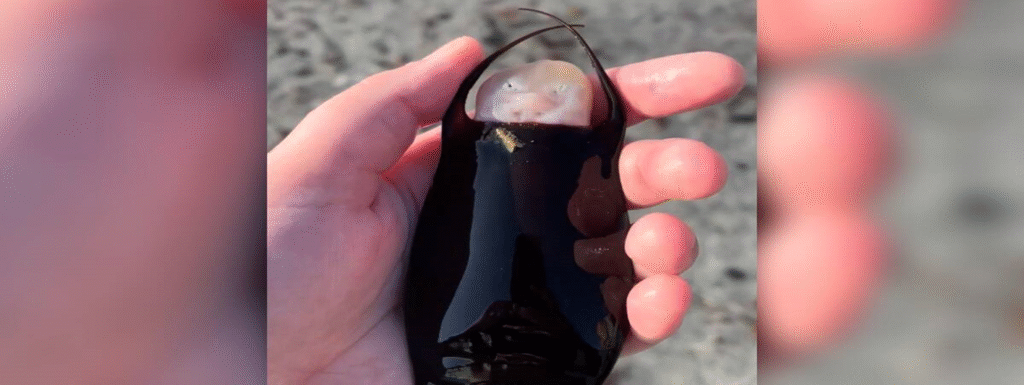
Wildlife photographer Brianna Varner wasn’t expecting anything extraordinary when she and her boyfriend visited Pass-a-Grille Beach in Florida last year. The coastline had recently been battered by storms, and like many nature lovers, Varner was curious to see what the waves might have left behind. Beaches after rough weather are often sprinkled with unusual treasures — shells, driftwood, and sometimes mysterious objects from the ocean’s depths. As she combed through the scattered debris, something unusual caught her eye. At first glance, it looked like a dried, crumpled leaf lying among the sand and seaweed. But when she bent down and picked it up, the texture didn’t match what her eyes had told her. It wasn’t soft or fragile like a leaf — it was firm, rubbery, and oddly shaped. “I was just kind of staring at it, thinking, ‘This doesn’t look quite right,’” Varner recalled in an interview. It took her a moment to realize she was holding a mermaid’s purse — the common nickname for the egg cases of sharks, stingrays, and skates. These protective casings are usually deposited on the ocean floor, where they remain anchored until the embryo is ready to hatch. A Discovery Beneath The Sunlight Most of the time, when people find mermaid’s purses washed ashore, they are long empty, their tiny inhabitants having already made their way into the ocean. But this one felt different. Its shape was plump and rounded, its ends sealed tightly. Out of curiosity, Varner lifted it toward the sunlight. What she saw made her breath catch — inside the translucent casing, a faint shape wriggled. A living embryo. “I could see a little life moving around in there,” she said. “That’s when I realized this wasn’t just an interesting shell or object. It was something alive.” Knowing that the delicate egg case would not survive if left exposed on the sand, Varner carefully placed it into a tide pool tucked safely under rocks, hoping the cool water would give the developing creature a chance to survive. That small act of compassion soon turned into a pattern for the rest of her beach walk. As she explored further, she discovered six or seven more mermaid’s purses scattered along the shoreline. Each one she found, she gently relocated to tide pools, ensuring they wouldn’t dry out under the blazing Florida sun. The Surprise Of A Lifetime Her final discovery, however, was unlike the rest. This mermaid’s purse felt strangely rigid, almost solid compared to the leathery texture of the others. When she held it against the sun, no light passed through. She puzzled over it for a moment, then carefully carried it toward the water. That’s when something extraordinary happened. “As I was holding it, I felt movement — real, strong movement,” Varner remembered. “And then suddenly, I looked down, and this tiny little mouth was staring back at me. I was shocked. I thought, ‘What am I even looking at?’” Before she could fully process the moment, the egg case split open in her hands. A tiny clearnose skate, perfectly formed and alive, began to push its way out. In a matter of seconds, the fragile creature emerged completely, wriggling as if it had been waiting for that very moment. With waves crashing nearby, Varner feared the newborn might be overwhelmed too soon. So she waded into deeper water, cradling the baby gently until she felt confident it had a fighting chance. She then lowered it into the sea, where instinct immediately took over. “It just dropped to the sand, exactly what its instincts would tell it to do,” she said. “It was such a surreal, powerful moment — I thought, ‘Oh my God, I think it’s going to be OK.’” A Lesson From The Ocean For Varner, the experience was far more than just a lucky encounter; it was a reminder of how easily humans can overlook the fragile life hidden all around us. Many people might have tossed aside or even destroyed the mysterious “leaflike” cases without realizing their importance. “There are so many things we find on beaches that we don’t recognize as alive or significant,” Varner explained. “But every little piece can hold a story, or even a life, waiting to begin.” After doing some research, she confirmed that the tiny hatchling she had witnessed was indeed a clearnose skate, a species found in coastal waters of the western Atlantic. To her, it was an honor to have been present for its very first moments of life. As a keepsake, Varner decided to hold onto the empty mermaid’s purse from which the baby skate had emerged — a small, leathery reminder of a chance encounter that turned a casual beach walk into one of the most unforgettable experiences of her life.

A Beach Walk Turns Into A Once-In-A-Lifetime Encounter With A Baby Skate Read More »

Animal Experts Struggle To Spot A Sick Seal Perfectly Camouflaged Among The Rocks

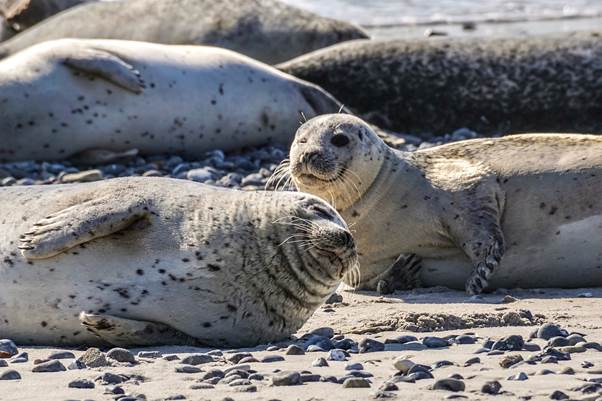
For George Hoagy Morris, an experienced animal medic with British Divers Marine Life Rescue (BDMLR), a simple stroll along the beach with his dog, Simon, quickly became an unforgettable experience. Beaches in Cornwall, England, are often quiet in the early hours, with only the sound of waves rolling against the shore. Morris had walked these paths many times before, but on this particular day, Simon’s keen instincts led them to a hidden life in need of help. Simon paused suddenly, his nose twitching and his eyes locked on a cluster of jagged rocks scattered along the shoreline. At first, Morris didn’t notice anything unusual, but his dog’s persistent curiosity made him stop. After looking closer, Morris realized there was movement among the rocks — something alive, yet nearly invisible. Nestled between the grey and brown stones was a tiny seal pup, blending so seamlessly into its surroundings that it seemed like part of the landscape. The little one wasn’t just hiding; he was weak, sick, and vulnerable. Immediately recognizing the severity of the situation, Morris phoned for backup and prepared to wait as long as necessary to keep watch over the pup. Spotting The “Invisible” Seal About thirty minutes later, Morris’ colleague Alison Davey arrived on the beach to assist. Morris pointed toward the rocks where the seal lay, but even with his guidance, Davey initially had trouble spotting the animal. The seal’s grey, mottled fur matched the texture and color of the stones almost perfectly, making him practically invisible to the untrained eye. To highlight the incredible camouflage, Davey snapped a photo of the scene. At first glance, the image looked like nothing more than a rugged, rocky shoreline. But hidden within it was the fragile life of a young seal pup. Later, when BDMLR shared the photo on Facebook, it quickly caught people’s attention. “We didn’t quite believe there was a seal here but we can assure you there is!” the organization wrote in the post. Many viewers squinted at the photo, scanning every inch of rock, unable to see the pup at first. It became almost like a wildlife-themed game of “Where’s Waldo?” — except this was no playful illusion. This was the harsh reality of how easily vulnerable animals can go unnoticed in the wild, their cries for help hidden in plain sight. From Camouflage To Critical Care Once Davey finally spotted the pup, the real work began. The two rescuers carefully approached, knowing that seals can be easily stressed. They transferred the pup into a specially designed seal bag that allowed them to carry him safely without causing harm. Once on the sand, they conducted a full assessment. The results were concerning. The young seal showed clear signs of alopecia (patchy hair loss), dehydration, and general weakness. These conditions suggested that he had been struggling for some time, likely separated from his mother or unable to fend for himself. Without intervention, his chances of survival would have been slim. The team wasted no time. They gently fed him a small amount of food via a tube — enough to stabilize him but not overwhelm his fragile system. From there, he was transported to BDMLR’s Cornwall Seal Hospital, where staff specialize in providing critical care to rescued marine mammals. For the pup, the hospital was the difference between life and death. Here, he received hydration, medical treatment for his skin condition, and nutritious food to rebuild his strength. A New Life At The Sanctuary After some time at the hospital, the little seal was stable enough to move to a longer-term home — the Cornish Seal Sanctuary, a place dedicated to the rehabilitation and protection of seals along the Cornish coast. The sanctuary has decades of experience in nursing back young or injured seals until they are strong enough to be released back into the wild. In the sanctuary’s care, the pup’s once patchy coat began to recover, his energy levels improved, and his natural curiosity returned. No longer camouflaged against cold rocks, he could now be seen swimming, resting, and slowly learning to thrive again in a safe environment. The sanctuary shared that he is still under observation, but with continued care, he is expected to make a full recovery. Eventually, once he is healthy, plump, and strong enough, he will be released back into the ocean where he belongs. This story serves as a reminder of how easily animals in distress can be overlooked. The seal pup’s natural camouflage almost kept him hidden from those who could help, but thanks to Morris, Simon, and Davey, he was given a second chance.

Animal Experts Struggle To Spot A Sick Seal Perfectly Camouflaged Among The Rocks Read More »

Cross-Country Stowaways: Two Baby Raccoons’ Unbelievable Journey From Denver to Pennsylvania

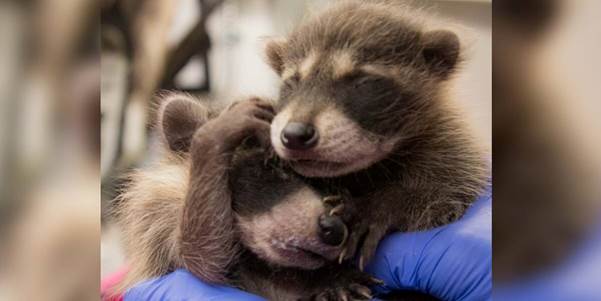
When wildlife rescuers at Raven Ridge Wildlife Center in Lancaster, Pennsylvania, received a call about two baby raccoons in need of care, they assumed it was a routine local case. But when the responding officer explained that the babies had actually come from Denver, Colorado, the staff could hardly believe their ears. “We were stunned and not sure we heard the officer correctly,” the center later wrote in a Facebook update. What followed was a story so unusual it sounded almost impossible — a tale of survival, surprise, and the inseparable bond between two furry siblings who had unknowingly traveled halfway across the country. A Shocking Discovery in a Truck Bed The journey began when a mother raccoon and her babies crawled aboard a tractor trailer in Denver, likely in search of food or shelter. Tucked away in the vehicle, they went unnoticed as the truck began its days-long trip east across the country. By the time the truck finally rolled into Pennsylvania, the driver spotted the mother raccoon leaping from the vehicle, clearly frightened and disoriented by the long trip. In her panic, she fled, leaving behind two of her babies still huddled in the bed of the truck. The driver, stunned by the discovery, tried to wait and see if the mother would return. But when it became clear she was gone for good, the babies’ fate fell into human hands. A local officer was called to the scene and safely gathered the tiny travelers, bringing them to Raven Ridge Wildlife Center for help. Meet John and Denver At the center, the staff affectionately named the pair John and Denver, a playful nod to their Colorado roots. Though the babies had just endured days without their mother, they immediately began to melt hearts. Wildlife rehabilitator Tracie Young was nervous at first. After such a long journey without proper food or water, she expected the raccoons to be dangerously malnourished. But when she finally examined them, relief set in. “They looked really good,” Young told The Dodo. Although dehydrated, the babies were alert and surprisingly healthy. Young carefully gave them fluids and slowly introduced formula to rebuild their strength. Before long, their playful energy returned, proving just how resilient they truly were. Two Siblings, One Unbreakable Bond As the days passed, John and Denver quickly became favorites among Raven Ridge staff and volunteers. What stood out most wasn’t just their recovery, but their inseparable bond. “Our team of volunteers are just amazed how much these two are so expressive, protective and must always be together,” the rescue wrote on Facebook. Whether napping, eating, or exploring their enclosure, the raccoon siblings stuck side by side. They groomed each other, cuddled constantly, and even seemed to communicate in small chirps and squeaks. Their closeness reassured staff, since young raccoons raised together develop vital social skills they need as adults. The duo’s affectionate nature also surprised many. Instead of being fearful or aggressive, John and Denver showed a laid-back, loving personality that made them a joy to care for. Staff often caught them hugging, wrestling playfully, or peeking curiously at their caregivers with bright eyes. Searching for a Forever Sanctuary While John and Denver are thriving at Raven Ridge for now, their future is complicated. State wildlife regulations prohibit raccoons from being transported back across state lines or released into the wild in Pennsylvania. That means the siblings cannot simply be returned to Colorado or released locally. Instead, the rescue is working hard to secure a permanent sanctuary where the pair can live out their lives safely together. For the team, finding the right placement is crucial. “We’re going to be so picky about where they go,” Young explained. “I just don’t want them in a cage.” The goal is to place them in a sanctuary environment that allows freedom to climb, explore, and engage with their surroundings — a home that mirrors the wild while still keeping them safe. Until that day comes, John and Denver remain at Raven Ridge, where they continue to charm everyone they meet. Their extraordinary journey — from stowaways on a truck to beloved rescues in Pennsylvania — is a testament to resilience, luck, and the compassion of those who stepped in to help. From Roadside Orphans to a New Beginning It’s hard to imagine what might have happened if the truck driver hadn’t noticed the raccoon family in time. But thanks to quick action, two tiny siblings were spared from a tragic fate and given the chance to grow up together in safety. Today, John and Denver spend their days side by side, healthy, affectionate, and playful as ever. Their cross-country journey may have begun by accident, but it has led them to a future full of love and care. Though their mother is gone, they still have each other — and that, rescuers say, is the greatest gift of all.

Cross-Country Stowaways: Two Baby Raccoons’ Unbelievable Journey From Denver to Pennsylvania Read More »

Rescued From the Water: Injured Great Horned Owl Gets a Second Chance at Freedom

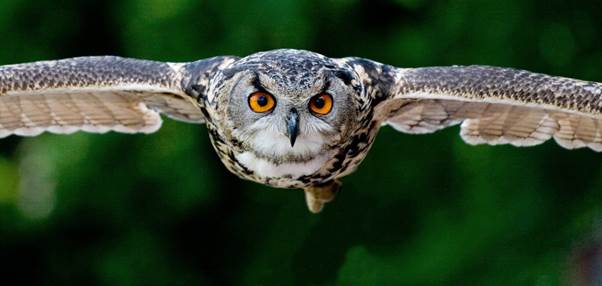
On a recent day in Boiling Springs, Pennsylvania, a sergeant with the Pennsylvania Game Commission received a call about an animal in distress at the town’s popular Children’s Lake. Concerned, the officer hurried to the scene, unsure of what he would find. As he scanned the surface of the water, something unusual caught his eye. Blending almost perfectly with the muddy ripples near the edge of the lake was a large, feathered figure. At first glance, it was easy to miss, but on closer inspection, the sergeant realized he was looking at a great horned owl struggling for her life. Startled, the officer took a quick photo and sent it to staff at Raven Ridge Wildlife Center. The experts there urged him to bring the bird in immediately, and he wasted no time pulling her from the water and transporting her to safety. Exhausted and Injured Once at Raven Ridge, the owl’s condition became clear. Rehabilitators suspected she had flown into the cement wall that lines the lake, a common hazard for birds that hunt near water. The impact left her with injuries to both wings, leaving her unable to fly and stranded in the water. Her feathers were drenched and foul-smelling from the muddy lake, and she was visibly exhausted from her ordeal. Without intervention, she wouldn’t have survived much longer. Staff at Raven Ridge carefully treated her injuries, provided fluids to combat dehydration, and allowed her the one thing she desperately needed — rest. Though weak, the owl’s piercing eyes and fiery spirit told rescuers she wasn’t about to give up. True to her wild nature, she wanted nothing to do with her human caretakers, snapping her beak and glaring whenever they approached. Ironically, this was a good sign — it meant she still had the instincts of a fierce predator, instincts she would need once she returned to the wild. The Road to Recovery In the days that followed, the owl steadily improved. Her strength began to return, and her appetite came back as she started eating on her own. According to wildlife rehabilitator Tracie Young, the change was remarkable. “Once she started eating on her own again, and [her] wings [were] healing, it was like the fast track for her,” Young told The Dodo. When her injuries had stabilized, staff moved her into an outdoor flight enclosure — a large space where recovering birds of prey can safely test their wings again. To everyone’s relief, the owl quickly proved she was capable of strong, steady flight. The transformation from a waterlogged, immobile bird to a powerful hunter ready to take to the skies again filled the rescue team with pride. A Triumphant Release At last, the day of release arrived. Staff chose a location not far from where she had been found — a spot rich with open fields for hunting and tall trees for roosting. With great care, they carried her crate to the site and opened the door. In an instant, the owl stepped out, spread her broad wings, and lifted into the sky. She soared effortlessly, her silhouette cutting across the horizon before disappearing into the wilderness where she belonged. For Young and the rest of the Raven Ridge team, it was a moment of pure joy. “Each animal and each release, especially with the birds of prey and the owls and stuff, it’s a sigh of relief when you see them taking off,” Young said. “They got a second chance. They’re free again.” What began as a desperate struggle in murky water ended in freedom and strength — a powerful reminder of the importance of rescue work and the resilience of wild creatures when given the opportunity to heal.

Rescued From the Water: Injured Great Horned Owl Gets a Second Chance at Freedom Read More »

Hidden in Plain Sight: The Seal Who Disappeared Into the Rocks

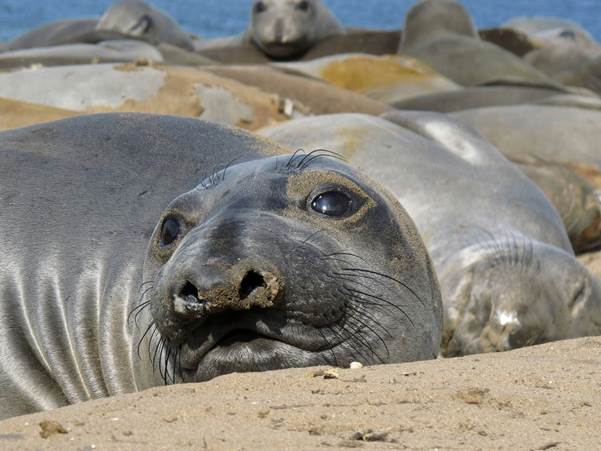
Seal Camouflages So Well That Even Rescuers Struggle to Spot Him During a casual walk along a beach in the United Kingdom this past September, Drustan Ward paused when he noticed something unusual. From the corner of his eye, a pair of small eyes peeked out from a rock pool. Curious and concerned that the animal might be stranded, Ward snapped a photo and quickly sent it to the team at British Divers Marine Life Rescue (BDMLR). But when the experts examined the picture, even they struggled at first. What had been clear to Ward on the beach was nearly invisible on camera. “This little guy took us a moment to notice,” BDMLR later admitted in a Facebook post. “But once you see him, he’s impossible to miss!” The Magic of Natural Camouflage The mystery creature was, of course, a seal. His mottled coat blended perfectly with the rocky surroundings, making him appear almost like part of the landscape. According to BDMLR, this wasn’t just luck — it’s nature at work. “Seals, like many animals, have camouflage that helps them blend into their environment and avoid predators,” a BDMLR spokesperson explained. “Each seal’s markings are slightly different, depending on their habitat.” In this case, the seal’s speckled fur gave him near-perfect cover, leaving him hidden in plain sight. Why Seals Rest in Rock Pools Although it might look unusual to stumble upon a seal lounging in a rock pool, experts explained that it’s fairly common. Rock pools provide a safe, cool resting spot and sometimes even a source of food. Still, there can be risks. “Occasionally, a seal can become stuck if the pool’s rocky edges are too high,” the BDMLR representative said. “In those situations, rescuers may monitor the animal until the tide rises and refills the pool, giving the seal a way out.” To be safe, BDMLR sent volunteer marine mammal medic Lizzi Larbalestier to check on the animal. After a careful assessment, she was relieved to find the seal perfectly healthy and in no danger at all. “The pool offered easy access in and out,” BDMLR reported. “The seal could leave whenever he chose, which meant there was no concern of him being trapped.” A Gentle Reminder About Seal Safety This encounter highlights an important fact: seals don’t live exclusively in the sea. They spend much of their time on land, resting, digesting meals, or even raising their young. Seeing one on a beach or in a tide pool is often normal behavior. BDMLR urges people to enjoy these encounters respectfully. By keeping a safe distance and avoiding unnecessary interaction, seals like this camouflaged wanderer can continue living peacefully in their natural environment. On that quiet September day, what first looked like a “mystery lump” in the rocks turned out to be a perfectly content seal — blending so seamlessly into the world around him that even marine experts had to do a double take.

Hidden in Plain Sight: The Seal Who Disappeared Into the Rocks Read More »

Park Ranger’s Sharp Eye Saves Two Orphaned Otter Pups

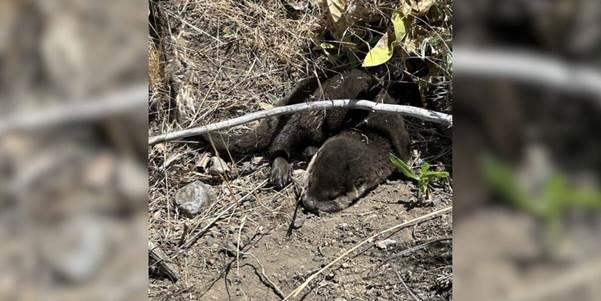
A Furry Discovery in the Ditch On a quiet June morning at Oregon’s Cove Palisades State Park, ranger Tyler Banks was making his usual rounds when something unusual caught his eye. In a shallow roadside ditch, what looked like a small, fuzzy brown lump was curled up motionless. At first glance, it could have been a pile of leaves or even a lost piece of clothing. But Tyler’s instincts told him to investigate. As he approached, the shape stirred, and he realized it was no ordinary object. Instead, he was staring at two tiny river otter pups, orphaned and completely alone. Frail and vulnerable, the pups were in desperate need of help. Recognizing the urgency of the situation, Banks quickly contacted a state police wildlife officer. Within hours, the frightened sisters were on their way to Think Wild, a rescue and rehabilitation center that specializes in caring for Oregon’s native wildlife. First Steps Toward Healing At Think Wild’s animal hospital, the pups received lifesaving care. Staff immediately worked to stabilize them — providing hydration, a full medical exam, and gentle monitoring. Both were weak, but their fighting spirit shone through. The team faced a delicate challenge: how to save the pups while ensuring they would not grow too accustomed to human care. Director of Wildlife Rehabilitation Pauline Hice explained why this balance is critical. “River otters are highly intelligent and can easily become habituated to humans if proper precautions are not taken,” Hice noted. “If they begin to associate people with food or safety, they cannot safely or humanely return to the wild.” For this reason, the caregivers used protective measures to minimize contact. They kept their voices low, avoided unnecessary handling, and made sure the otters did not link humans to comfort. Instead, the pups leaned on one another — huddling close, cuddling, and finding strength in their sibling bond. Growing Stronger and Learning Survival Skills As weeks passed, the pups regained their health. Once they were stable enough, they were transferred to the Wildlife Center of the North Coast for a longer rehabilitation period. Here, experts carefully introduced them to the skills they would need for life outside human care. They practiced swimming in controlled pools, learned how to search for food, and gradually built the endurance required for survival in Oregon’s waterways. Rehabilitation was not just about physical strength — it was about restoring their natural instincts so they could thrive on their own. Months later, after careful monitoring, experts agreed: the otter sisters were ready. They had learned enough to be released back into the wild. A Careful Release Back to Freedom In a heartwarming full-circle moment, the pups were transported back to Think Wild, where staff prepared to reintroduce them to their original home range. To give them the best chance at success, the team opted for a soft release — a gradual process that allows animals to adjust before full independence. Rescuers installed a temporary den near the water and provided limited food support through a specially designed port that avoided direct human interaction. This method allowed the otters to experience freedom while still having a safety net during their transition. “This transition period is crucial for their survival,” Hice explained. “By providing this additional support, we’re giving these otters the best possible chance at a successful return to the wild.” When the time finally came, staff opened the den and watched as the two sisters scurried toward the river, their sleek bodies gliding into the water with confidence. It was the moment everyone had been waiting for — the pups were home. Think Wild shared the joyous update with supporters on Facebook:“Now, these two otter pups are back where they belong — exploring their new river home!” What began as a routine patrol became a life-changing moment for two young otters. Thanks to one ranger’s keen eye and the dedicated care of wildlife rescuers, the sisters were given not just a second chance at survival, but the opportunity to return to the wild where they belong. Their story is a reminder of how closely connected people are to the animals around them. A simple act of awareness can mean the difference between life and death for vulnerable wildlife. And with compassion, patience, and expertise, even the smallest creatures can find their way back to freedom. As they explore their river home once again, the otter sisters carry with them the love and protection of everyone who refused to let them go unnoticed.

Park Ranger’s Sharp Eye Saves Two Orphaned Otter Pups Read More »