Wildlife

From Lifeless to Limitless: Zelda the Coyote’s Miraculous Comeback

On an ordinary afternoon in Louisiana, a woman walking her dog came across a heartbreaking sight. Lying motionless in the grass was an animal that at first looked like she might already be gone. Covered in mosquitoes and too weak to even lift her head, the creature seemed to be at the end of her strength. But when the woman looked closer, she realized the animal was still alive — a fragile, struggling coyote in desperate need of help. Instead of walking away, the woman made a decision that would change everything. She gently gathered the frail coyote and placed her in her car, then drove an hour and a half to Geaux Wild Rehab, a wildlife rescue center dedicated to giving animals like this one a second chance. When the staff first saw the coyote, they were unsure if she would make it through the night. “She couldn’t even pick her head up,” recalled Tisha Raiford, director of Geaux Wild Rehab. “She was very weak, very lifeless.” Raiford named the coyote Zelda, a name that would soon come to symbolize resilience, courage, and the will to fight. A Fragile Beginning The veterinary team quickly got to work. They treated Zelda for parasites, gave her vital nutrients, and ran an array of tests, including bloodwork and X-rays. But even after all the diagnostics, the cause of her severe weakness remained unclear. Still, Raiford refused to let the uncertainty discourage her. She knew that Zelda’s only chance was persistence — from both the coyote and those caring for her. “She had a will to live, and she didn’t give up,” Raiford said. “That was what I kept reminding myself: as long as she doesn’t give up, I will keep fighting with her and for her.” Each day, Raiford poured her energy into Zelda’s care. She created a treatment plan that combined a specialized diet, physical therapy, and cold laser therapy to stimulate her weakened muscles. Slowly, she began to see glimmers of hope. The First Signs of Strength For weeks, Zelda remained weak and barely moved. Raiford watched over her constantly, encouraging her through every small effort. It was emotionally draining, but Raiford’s belief in Zelda never wavered. Then, three weeks after her arrival, a breakthrough came. Zelda pushed herself up with her front legs. Though shaky, it was the first sign that her body was beginning to respond. Just days later, Zelda stood on her own. Soon after that, she began to take careful steps. Each new achievement felt like a miracle. Raiford described the transformation as both emotional and inspiring. “Every day, she could walk a little farther, stand a little longer. Eventually, she started pacing around her enclosure, and that’s when I knew she was ready for the next step.” Ready for the Wild Again Eight weeks after her rescue, Zelda was a completely different animal. Her once-lifeless body was now filled with energy and determination. It was time to release her back into the wild where she belonged. Before her release, researchers from The Canid Project fitted her with a non-invasive tracking collar. The collar would allow wildlife experts to monitor Zelda’s movements and ensure she was adjusting well to life in her natural habitat. For Raiford, it was also a special gift — a way to continue following Zelda’s journey even after saying goodbye. The release day was emotional. The woman who had first discovered Zelda joined Raiford, along with the veterinarian who had been instrumental in her care. Together, they stood by as Raiford opened the kennel door. “I felt tears swelling up in my eyes because I was looking straight at her,” Raiford said. “And you could just see that determination in her eyes.” A Perfect Goodbye As soon as the kennel door opened, Zelda didn’t hesitate. She leapt into the water nearby, swam confidently, and took off running across the land that was once again hers. “You could just tell she knew where she was,” Raiford said. “She was back home. And when she flew out of that kennel, it was perfect.” For Raiford, Zelda’s journey was more than just a rehabilitation case. It was a story of hope, persistence, and the incredible resilience of wildlife when given a second chance. What began as a seemingly hopeless situation transformed into a powerful reminder of why every life is worth saving. Zelda’s story shows that even when an animal appears lifeless, with care and determination, they can reclaim their strength — and their freedom.

From Lifeless to Limitless: Zelda the Coyote’s Miraculous Comeback Read More »
The Morning Meredith Never Expected: Chasing A Pig On The Road

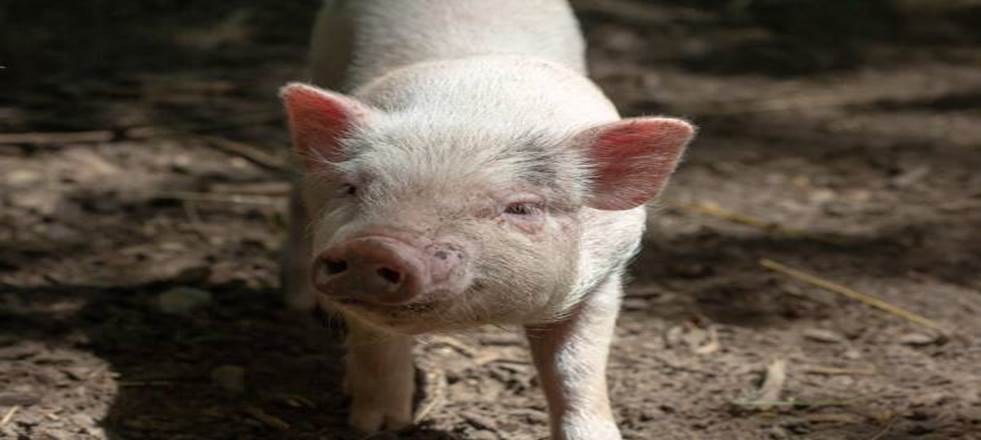
Most mornings, Meredith Lee’s drive to work looked the same. She’d hop into her car, sip her coffee, and head down the road while thinking about her day ahead. That morning, she thought it would be no different. But just a few minutes into her commute, something unusual caught her attention. On the side of the road, a small animal was running. At first, Meredith thought it was a dog. That made sense — dogs sometimes slip out of their homes and wander around. She figured any second now, an owner with a leash would appear, calling the little pup back. But as she slowed down to look closer, no one appeared. The animal kept trotting along on its own. That’s when she squinted and thought, Wait… is that really a dog? She pulled her car over, stepped out, and took a closer look. Her eyes widened. It wasn’t a dog at all. It was a piglet. Realizing It Wasn’t Just Funny — It Was Serious For a moment, Meredith couldn’t help but laugh in disbelief. A pig, running down the road like it owned the place? That wasn’t something you saw every day. But then reality set in. This was a busy road. If the little pig darted into traffic, the story could end very badly. Meredith knew she couldn’t just get back into her car and drive away. The animal was small, clearly lost, and in danger. She made a quick decision: she would help. Even if it meant being late to work, she couldn’t ignore the situation. “When I approached her, she kept running away,” Meredith said later. “But then she’d turn back toward me for a moment before running away again. It was like she wasn’t sure whether to trust me or not.” Meredith tried her best to move slowly so she wouldn’t spook the piglet. But the little creature was nervous — and fast. The Piglet Turns It Into A Game What started as a rescue attempt quickly turned into a game of chase. To the piglet, this wasn’t a scary situation at all. In her mind, she had found the best game of keep-away. Every time Meredith got close, the pig would squeal happily and sprint away. Then she’d stop, turn her head, and look back with what almost seemed like a cheeky grin, as if to say, Nice try, but you can’t catch me! The chase led them off the main road and into a nearby neighborhood. Meredith felt a little relief knowing at least the pig wasn’t near cars anymore. But the challenge was far from over. For nearly 40 minutes, she ran around trying to guide the pig somewhere safe. Her work clothes weren’t exactly meant for sprinting through yards and streets, but Meredith didn’t care. The little animal’s safety came first. Finally, after what felt like forever, Meredith managed to corner the piglet in someone’s yard. The fence gave her a chance to keep the animal contained. But she knew she couldn’t do it alone. So, she called the police for help. Help Arrives Just In Time When the officers arrived, they instantly understood the situation. The piglet was cute, but she was also quick and determined not to be caught. With careful teamwork, they managed to safely collect the little runaway and keep her calm. For Meredith, it was a huge relief. The piglet was safe. She could finally stop running in circles and catch her breath. Of course, by now she was also late for work. But when she thought about explaining why, she had to laugh. How many people can say they were late because they spent almost an hour chasing a pig through the streets? Later, the police updated her on what happened next. The piglet wasn’t a stray after all — she had escaped from her family’s backyard. Thankfully, she was now back home safe and sound, no worse for wear after her little adventure. A Story She’ll Never Forget Meredith never expected her morning commute to end with mud on her shoes and sweat on her forehead. She didn’t expect to spend nearly an hour running through yards and calling for a pig. And she definitely didn’t expect to be explaining her tardiness at work with the words, “I was rescuing a pig.” But sometimes, life throws in surprises — and this one turned into a memory she’ll carry forever. Looking back, she’s just glad she listened to her instincts and pulled over. That small decision made the difference between a piglet getting hurt and a piglet making it home safely. “It was wild, but totally worth it,” she said. “I mean, it’s not every day you get to rescue a pig.” And with that, Meredith’s ordinary morning became an extraordinary story — one that still makes her laugh every time she tells it.

The Morning Meredith Never Expected: Chasing A Pig On The Road Read More »

From Manure Pit to Freedom: The Remarkable Rescue of a Great Horned Owl

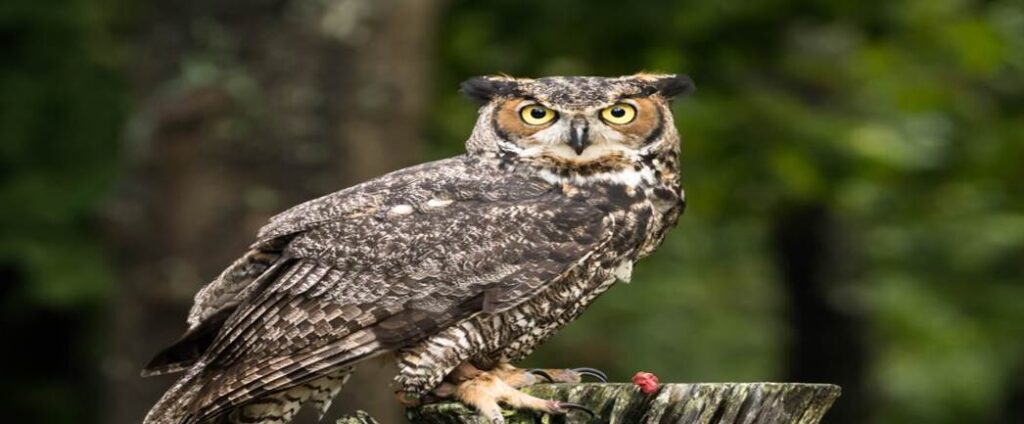
One chilly morning in Pennsylvania, a farmer was making his usual rounds when something caught his eye. At first, he thought it was just part of the manure pile, but then he saw a pair of wide, yellow eyes staring back at him. There, almost hidden in the muck, was a great horned owl. These owls are known for being fierce hunters and strong flyers, but this one looked completely out of place — and completely helpless. Her wings were heavy with manure, and she couldn’t fly out no matter how hard she tried. The farmer waited, hoping she’d find the strength to escape on her own. But as hours passed, it became clear she was trapped. A Farmer Steps In Finally, the farmer decided he couldn’t leave her there any longer. Carefully, he reached into the pit and lifted her out. She was weak and filthy, but alive. He gently placed her in a grassy patch nearby, giving her space to breathe. Still, something wasn’t right. The owl just sat there, too tired to move. That’s when the farmer knew she needed more help than he could give. He called the Pennsylvania Game Commission, who quickly made arrangements with Raven Ridge Wildlife Center, a rehabilitation facility that helps wild animals heal and return to nature. A volunteer agreed to drive the owl to the center. Later, they would joke about how it was the “smelliest two-hour drive ever,” but in that moment, they were just glad she was safe and on her way to getting help. The First Look at the Rescue Center When the owl finally arrived at Raven Ridge, animal rehabilitator Tracie Young opened the crate and immediately gasped. “When I opened the crate, I was like, ‘Oh my God,’” she said later. The poor owl was absolutely covered in manure. Her feathers were stuck together, her wings were heavy, and she looked nothing like the proud, powerful raptor she was meant to be. Tracie gave the owl a quiet, dark space to rest for the night. She knew the bird needed to calm down before they could begin the tough process of cleaning her. The next day, however, the real work began. The Messiest Bath Ever Dressed in a gown, gloves, and protective goggles, Tracie prepared herself. Great horned owls are strong and not exactly fond of baths, so she knew it wouldn’t be easy. And sure enough, the moment water hit her feathers, the owl flapped, squawked, and sprayed manure everywhere. “It was a mess,” Tracie laughed. “There was manure on the walls, on the floor, all over me. Because, you know, great horned owls aren’t real big fans of baths.” But little by little, the dirt came off. As the layers of filth disappeared, a different bird began to emerge — one with shining feathers, sharp eyes, and a spirit that was already returning. By the time Tracie was finished, the owl looked completely different. Clean, full of food, and free from the sticky manure, her attitude transformed. “Her attitude just doubled,” Tracie said with a smile. A Bright Future Ahead After her long bath and recovery meals, the owl was moved to a flight pen, a large outdoor space where rescued birds practice flying and build up their strength. There, she joined other great horned owls also on their journey back to the wild. Day by day, she grew stronger. Her feathers regained their natural oils, making them waterproof again. She started flying from perch to perch, testing her wings. And soon, she’ll be ready for the best part — release back into her natural home. For Tracie and the team at Raven Ridge, the hard work was more than worth it. “Getting an animal like that, it’s a lot of work,” she said. “But it’s so rewarding to give that animal a second chance.” Why These Rescues Matter The owl’s story is about more than just one bird. It’s about people who cared enough to act. A farmer who noticed something was wrong and didn’t ignore it. A volunteer who endured a terrible smell for two hours just to get her to safety. And a team of rescuers who worked tirelessly to bring her back to life. Thanks to all of them, a bird who once sat miserable and stuck in manure will soon soar through the Pennsylvania skies again. From hopeless and dirty to strong and free, her transformation is proof of how compassion — even in messy, difficult situations — can change everything.

From Manure Pit to Freedom: The Remarkable Rescue of a Great Horned Owl Read More »

Farmers Make a Rare Discovery in the Fields

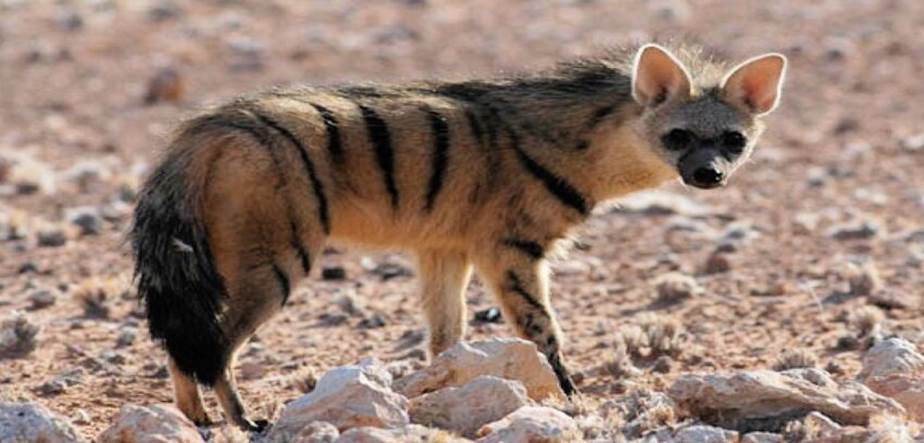
On a quiet evening near Johannesburg, South Africa, a group of farmers noticed their border collie barking frantically at something moving in the grass. Expecting a small wild creature, they approached carefully. To their astonishment, lying before them was a tiny cub that looked like a baby hyena. But they quickly realized this was no hyena at all — it was an aardwolf, a shy and seldom-seen species whose name translates to earth-wolf in Afrikaans and Dutch. The Elusive Earth-Wolf Aardwolves are among the most secretive animals in South Africa. Though they aren’t endangered, many people live their entire lives without spotting one in the wild. Unlike other predators, aardwolves are insect specialists, feasting almost exclusively on termites. In fact, an adult can consume up to 300,000 termites in a single night. Seeing a baby aardwolf out in the open without her mother was incredibly unusual. The farmers searched for days, hoping the cub’s mother would return. But when no adult appeared after several nights, it became clear that the cub was on her own and in desperate need of help. Rescue and First Steps to Survival The farmers contacted Johannesburg Wildlife Veterinary Hospital, who rushed to collect the tiny aardwolf. Staff named her Maple. When she first arrived, Maple’s condition was critical — she was dehydrated, dangerously underweight, and too weak to survive much longer without intervention. “She was really underweight and dehydrated,” explained volunteer Lauren Beckley. “We just had to get her through the first couple of days, just getting her to eat.” Because of her fragile state, Maple required round-the-clock care and bottle-feeding. Beckley even welcomed Maple into her home, acting as her surrogate mom during those critical early months. Growing Strong and Learning to Be Wild With patient care, Maple slowly regained her strength. As she grew, she was introduced to her natural diet — termites. Her first few nibbles were hesitant, but soon she began eating them with enthusiasm, showing her wild instincts were intact. To prepare Maple for her eventual return to nature, Beckley moved her into a soft-release outdoor enclosure. This safe environment gave Maple the chance to adapt gradually to the sounds, scents, and rhythms of the wild while still having human support close by. A Farewell Filled With Gratitude The day eventually came when Maple was ready to reclaim her life as a wild aardwolf. Beckley left the enclosure door open, giving her the choice to leave when she felt ready. Maple hesitated for a moment, then stepped out into the bush. She wandered a few steps, looked around, and before disappearing into the wild, turned her head back toward Beckley — as if offering a silent thank you. “When I look at her, I see gratitude,” Beckley reflected. Thanks to the kindness of farmers, the dedication of rescuers, and Maple’s own resilience, a once-abandoned aardwolf cub was given a second chance at life — and the freedom to live as nature intended.

Farmers Make a Rare Discovery in the Fields Read More »

A Wild Guest Finds Comfort in an Unexpected Place

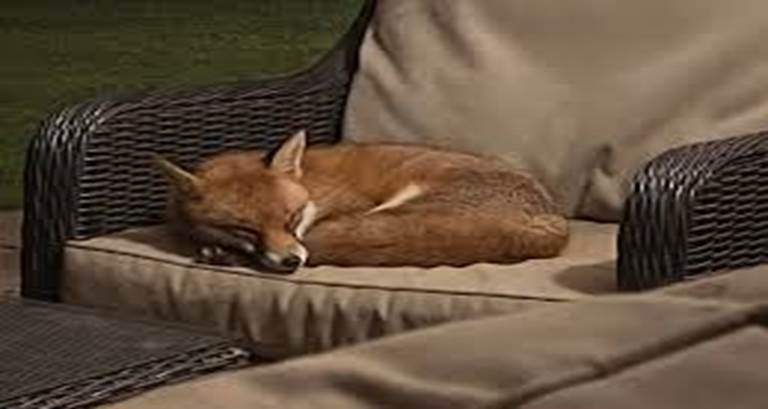
For the last couple of years, Andrea Uppington, a homeowner in the United Kingdom, has shared her garden with a rather unexpected visitor — a wild fox. Unlike pets that arrive with names, leashes, and routines, this fox lives entirely on his own terms. Yet, he has made Uppington’s garden a regular stop on his travels, turning it into something of a second home. Though foxes are often portrayed as elusive or mischievous creatures, Uppington has come to see her visitor as a charming companion to her daily life. “He still makes his presence known,” she explained. Whether digging through compost heaps, curling up among the flowers, or hiding eggs in the soil, the fox has left unmistakable signs that her garden is part of his territory. Despite his wild nature, Uppington finds joy in the thought that her space provides him with safety and comfort. She has never tried to tame him, yet she respects his presence and delights in these quiet reminders of his visits. A Heartwarming Surprise on the Patio One evening last year, Uppington returned home from a night out with friends. Expecting nothing more than the familiar quiet of her backyard, she flipped on her patio light — only to be met with a scene that instantly melted her heart. There, stretched comfortably across her outdoor sofa, was the fox. His body was nestled into the cushions as though he had chosen the spot deliberately, finding refuge after what must have been a long day of foraging and exploring. What surprised Uppington most was not just that he had picked such an unusual place to rest, but that he seemed completely at peace. “I was surprised he didn’t move when the light was put on,” she recalled. Instead of darting off like most foxes would, this one simply stayed curled up, breathing deeply, lost in a serene sleep. Respecting a Moment of Stillness Rather than disturb the fox or try to interact with him, Uppington chose to respect his rest. She quietly turned off the patio light and left him to his dreams, marveling at the unexpected trust and calmness he displayed. “I was very happy to see him so relaxed,” she said. To her, the sight was not just charming — it was meaningful. Watching a wild creature so unguarded in her garden, sprawled out on a sofa that was technically hers, was a reminder of how intertwined human spaces and natural ones can sometimes become. For the rest of the night, the fox dozed peacefully. By the time morning arrived and Uppington stepped outside, he had already slipped away to begin another day of wandering. But he left behind the memory of that tranquil evening, and perhaps, a few stray paw prints as evidence of his stay. Signs of a Returning Guest Since that night, Uppington has noticed small clues that her foxy friend still occasionally returns to enjoy the comfort of her garden furniture. Whether it’s tracks pressed into the cushions or paw prints left in the soil nearby, the evidence suggests that the sofa may still be a favorite resting spot. Far from being annoyed at the idea of sharing her outdoor space, Uppington embraces it. She sees it as a gift to witness wildlife so closely. “I enjoy wildlife in the garden,” she said. “He is a joy to observe.” These encounters also highlight the adaptability of foxes, who often learn to thrive in suburban environments by finding creative ways to rest and find food. For this particular fox, a garden sofa seemed just as inviting as any den or meadow. A Reminder of Nature’s Quiet Beauty The fox’s visits have left a lasting impression on Uppington, offering her a new perspective on coexistence with wildlife. Many people may never get the chance to witness a wild animal in such an intimate and relaxed state, but her experience shows that when humans allow space for nature, remarkable connections can unfold. Her story is a gentle reminder that not all wildlife encounters are dramatic rescues or tense standoffs. Sometimes, they are quiet, simple moments of stillness — like a fox choosing to nap on a garden sofa, unaware of the delight he brings to the humans nearby. In a busy world, these little interactions carry their own kind of magic. For Uppington, the fox has become more than just a neighbor; he is a symbol of the joy that comes from living alongside nature, even when it shows up in the most surprising of ways.

A Wild Guest Finds Comfort in an Unexpected Place Read More »

A Rare Friendship: Fox And Deer Caught Playing On Camera

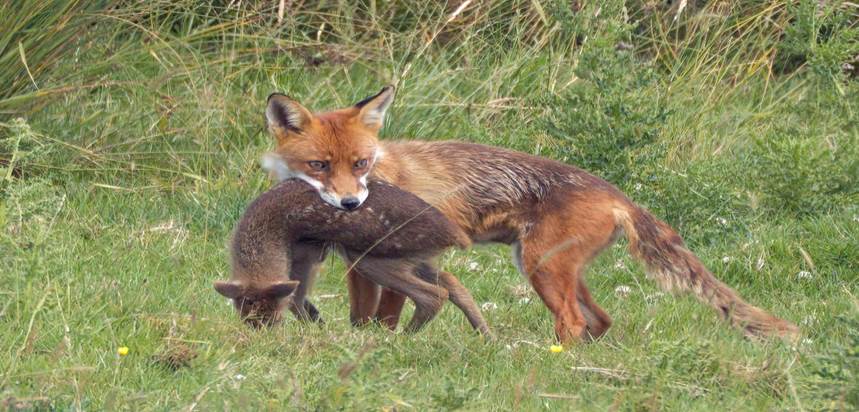
In the peaceful countryside of Kent, United Kingdom, a homeowner recently made an unexpected discovery while reviewing footage from their security camera. What began as a routine check of their garden surveillance quickly turned into a moment of pure magic — something so delightful that they couldn’t keep it to themselves. On the screen, two wild animals appeared: a young deer, gentle and cautious, and a bright-eyed fox, known for its quick movements and clever nature. Instead of ignoring each other or displaying signs of caution, the two animals began to run around the yard in what could only be described as play. The sight was so whimsical that the homeowner immediately shared the footage with The Fox Project (TFP), a fox rescue charity that operates across Southeast England. When TFP saw the clip, they knew it was something special. Posting the video online, they described it perfectly: “[It’s] like something straight out of a Disney movie.” Not Enemies, But Playmates For many people, the idea of a fox and a deer spending time together might seem unusual. After all, foxes are often portrayed as sly hunters in stories and folklore, while deer are often seen as vulnerable prey. But according to experts at The Fox Project, the interaction in this garden showed no signs of aggression. “Foxes are often portrayed as predators, but they are also playful and curious animals,” a TFP representative explained. One moment from the footage, in particular, stood out: the fox performed what animal behaviorists call a “play bow.” This is the same type of gesture dogs often use when inviting others to join in fun. Instead of chasing or threatening the deer, the fox was clearly signaling that it wanted to play. The deer responded in kind, running and leaping with energy that matched its unusual companion. For a brief period, species differences didn’t matter. What remained was the joy of two animals simply enjoying each other’s company. The Curious Nature of Foxes Although rare, interactions like this are not unheard of. Foxes are famously inquisitive animals. Their intelligence and social nature often push them to experiment with different kinds of behavior — including play with other species. “While such interactions are rare, they do occur,” TFP said. “Foxes are known for their playful behavior with a variety of species, including other foxes, dogs, cats and badgers.” This isn’t the first time such a sight has been recorded. Trevor Williams, founder of TFP, once personally witnessed a fox frolicking with an entire herd of deer in Ashdown Forest. Reports from other wildlife enthusiasts confirm that this type of cross-species play does occasionally happen, though it is not commonly seen. Moments like these serve as reminders that animals, much like humans, have a wide range of emotions and social behaviors. Play is not just about fun — it’s also a way for animals to practice survival skills, burn energy, and strengthen bonds. When seen between two entirely different species, it becomes an enchanting window into the hidden social world of wildlife. A Message of Conservation and Appreciation For The Fox Project, which usually spends its days rescuing foxes from injuries, illnesses, and dangerous human environments, receiving this video was a refreshing change. Instead of distress, it carried joy. Instead of a cry for help, it was a reminder of the lighter side of animal life. “Encounters like these remind us of the importance of preserving natural habitats, where animals can exhibit their full range of behaviors,” TFP emphasized. Without safe spaces, animals like foxes and deer would never have the chance to interact so freely. The video also highlights another important lesson: foxes are far more than their unfair reputation as nuisances or threats. They are intelligent, social, and playful creatures capable of forming unique interactions that defy expectations. By educating the public through stories like this one, organizations like TFP hope to foster a sense of respect and coexistence with wildlife. For the homeowner, the footage captured on that rainy evening was nothing short of magical. For TFP, it was a chance to spread awareness about the beauty and complexity of foxes. And for the countless people who have since watched the video, it was a rare glimpse of what happens when the boundaries between species blur for just a moment. Much like a scene straight from a fairy tale, the fox and the deer reminded us all that nature is full of surprises — some so tender and enchanting that they feel lifted right from the pages of a storybook.

A Rare Friendship: Fox And Deer Caught Playing On Camera Read More »

The Return of the River Otter: A Long-Awaited Sight in San Antonio

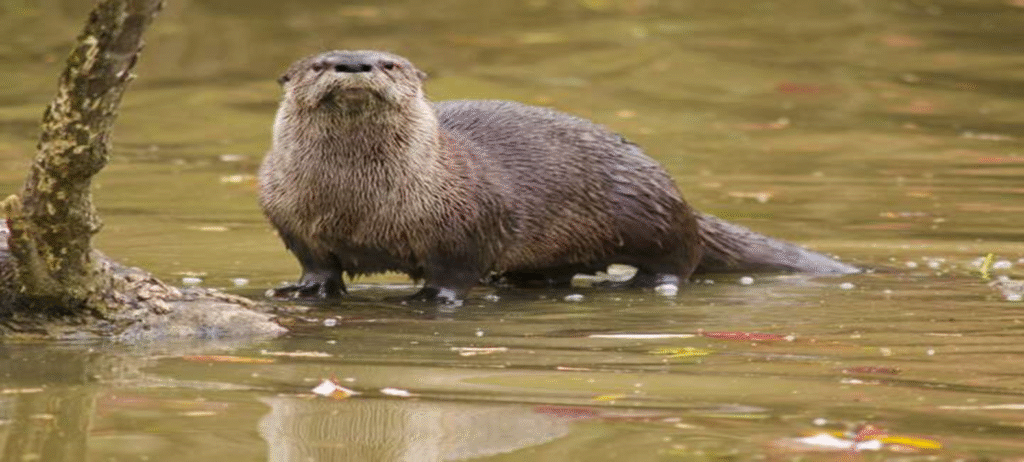
On an ordinary day in May 2025, the San Antonio River Authority’s watershed ecology team reviewed footage from one of their trail cameras. At first, it seemed like routine monitoring — rocks, leaves, and the gentle flow of water. But then, the unexpected happened. A sleek, brown animal padded across the frame with the effortless grace of a creature perfectly at home in both land and water. The moment was brief, but its impact was monumental. The team froze, eyes widening, before bursting into disbelief and excitement. “Once they were able to pick their jaws up off the ground, they started spreading the word internally pretty quickly,” recalled Shaun Donovan, environmental sciences manager at the River Authority. That mysterious visitor was none other than a North American river otter — a species thought to be long gone from this part of Texas. For the first time in years, their cameras had captured proof of its presence in the upper San Antonio watershed. The Vanishing of a Beloved Species River otters (Lontra canadensis) once flourished throughout Texas waterways. Known for their playful antics, boundless energy, and agile swimming, they were a familiar sight to those living near rivers, streams, and wetlands. However, their story took a darker turn over the past century. Widespread habitat loss — fueled by urban expansion, pollution, and river modifications — devastated their populations. The construction of dams and levees altered natural water flows, while pollutants from industry and agriculture poisoned aquatic life. Worse still, historical trapping for their dense, luxurious fur reduced numbers further. By the late 20th century, otter sightings in San Antonio had become almost mythical. Generations grew up without ever seeing one, and many assumed the species had vanished from the region entirely. The ecosystem, once balanced by their presence, was left without a crucial predator to regulate fish and amphibian populations. Why River Otters Matter While their playful charm makes them a public favorite, otters play a serious and irreplaceable role in their ecosystem. The National Wildlife Federation notes that North American river otters are smaller than their sea otter relatives, but no less captivating. With their long whiskers, waterproof fur, and mischievous behavior, they embody resilience and adaptability — provided their habitats remain intact. The Path to Restoration The San Antonio River Authority did not stumble into this discovery by chance. For years, its teams have worked tirelessly to heal and restore the river’s ecosystems. Through habitat restoration projects, reintroduction of native species, pollution reduction efforts, and community education, they have been steadily building a healthier river environment. These efforts included: The otter’s reappearance is more than a happy accident; it is a living testament to years of commitment. As the River Authority posted on social media, “This sighting is proof that efforts to protect and restore our waterways are having tangible impacts!” A Future Filled With Hope For the team, this discovery is not an endpoint but a beginning. Plans are already underway for further restoration, with the hope that more otters will follow. The long-term vision is to transform occasional rare sightings into a common and celebrated occurrence. Donovan expressed this dream simply: “We really hope that this is the first of many sightings.” The implications go beyond otters. If these sensitive creatures can return, other native species may follow, from fish and amphibians to birds and aquatic insects. Each comeback strengthens the river’s ecological fabric, weaving together a more resilient and diverse environment. For residents of San Antonio, the possibility of spotting an otter on a weekend walk is more than just exciting — it is a reminder that urban spaces and wild nature do not have to be separate. With enough care, both can coexist.

The Return of the River Otter: A Long-Awaited Sight in San Antonio Read More »

the Hidden Lives of Tree Kangaroos

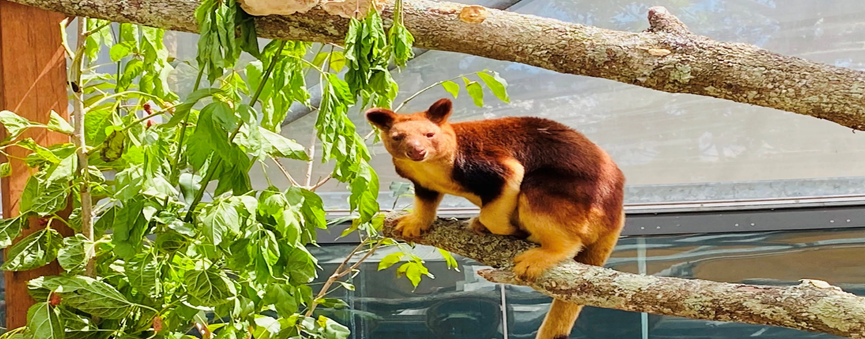
Deep in the lush rainforests of northern Australia and New Guinea, far above the reach of human eyes, lives one of the most enigmatic marsupials in the world — the tree kangaroo. Unlike their well-known relatives that bound across Australia’s plains, tree kangaroos have adapted to an entirely different lifestyle. Their powerful forelimbs, broad paws, and unusually long tails allow them to climb high into the canopy, where they leap between branches with astonishing agility. Despite these remarkable abilities, tree kangaroos are rarely seen. They are naturally elusive, camouflaged by dense leaves, and the places they inhabit are among the most rugged and inaccessible landscapes on the planet. For decades, researchers struggled to study them. Trekking through rainforests for days often resulted in only a fleeting glimpse — if that. In fact, biologists sometimes spent weeks without spotting a single individual. Because of their scarcity and the challenge of observation, tree kangaroos acquired a reputation as “near-mythical creatures.” Their existence was acknowledged, yet their numbers, behaviors, and precise habitats remained largely unknown. As deforestation and climate change accelerated, concern for their future grew, but conservationists faced an uphill battle without reliable data. Protecting an animal you can barely find is no easy task. This mystery, however, began to unravel when scientists decided to approach the problem from an entirely new angle — not by searching through the trees themselves, but by looking down from above. Innovation From Above: How Drones Changed the Game The turning point came when researchers introduced thermal drones into their fieldwork. Traditionally, conservation surveys relied on people walking through thick vegetation, climbing steep slopes, and using binoculars to scan the canopy. This method was exhausting, limited, and far from efficient. At best, researchers might confirm a few sightings in a week, and even then, the information gathered was minimal. Thermal drones, however, provided a revolutionary solution. Outfitted with infrared cameras, these lightweight flying machines detect heat signatures. Every warm-blooded animal gives off body heat, which appears clearly on the drone’s screen, even through heavy foliage. For the first time, scientists could spot hidden creatures without disturbing them or cutting through dense undergrowth. Emmeline Norris, a researcher leading the project, described the breakthrough: “Thermal drones may help to unravel the mysteries of tree kangaroos and guide long-term efforts to protect them.” The team launched their drones over the Cape Tribulation region in Queensland, an area long suspected of harboring Bennett’s tree kangaroos. They conducted three separate flights, each lasting under an hour. What they found astonished them. Instead of spotting one or two individuals, as they expected, the drones revealed six tree kangaroos in a single session. To researchers accustomed to scarcity, this was an unprecedented result. For Norris and her colleagues, it was a moment of validation — proof that their new approach could transform how these animals are studied. Equally important, the drones allowed scientists to observe the kangaroos without stress or intrusion. Unlike ground surveys, which sometimes frightened the animals or altered their behavior, aerial monitoring kept interactions minimal. The kangaroos remained undisturbed in their natural routines, giving researchers a clearer window into their authentic lives. This single success opened up a new realm of possibility. If drones could so easily locate tree kangaroos — perhaps the hardest marsupials to track — then similar methods might work for other elusive species. Conservation biology, long constrained by the limits of human endurance in the field, suddenly had a powerful new tool. Why These Discoveries Matter At first glance, finding six animals may not sound like much. But in the world of conservation, where sightings are scarce and populations uncertain, it was monumental. These results hinted that Bennett’s tree kangaroos might be more widespread in certain areas than previously believed. Tree kangaroos are ecological indicators. Their health reflects the health of the rainforest canopy as a whole. By feeding on leaves and fruits, they help regulate vegetation and disperse seeds, supporting the delicate balance of plant life. If their populations decline, it could signal broader environmental instability. Sadly, their survival has always been fragile. They rely heavily on continuous forest corridors to move between feeding and resting spots. When humans clear forests for logging, agriculture, or infrastructure, the canopy becomes fragmented. This forces tree kangaroos to descend to the ground, where they face threats from predators, dogs, vehicles, and hunters. Climate change adds further uncertainty, altering rainfall patterns and shifting vegetation zones. The new drone findings bring cautious optimism. They suggest that, in some protected rainforests like Cape Tribulation, these animals may be holding on better than feared. But researchers are careful not to celebrate too soon. As Norris explained, “While this is encouraging, further systematic surveys are needed to assess how population density varies with forest type, elevation, and other factors.” For conservationists, this technology offers more than numbers. It provides evidence that can shape policy. With reliable data, organizations can push for stronger protections, argue against deforestation in key habitats, and design wildlife corridors that ensure the canopy remains connected. It also allows conservation groups to monitor long-term population trends, spotting declines before they become irreversible. Beyond science and policy, there is also something deeply human about these discoveries. For local communities and the broader public, stories of “mythical” animals revealed by new technology spark wonder. They remind us that even in a modern world dominated by cities and machines, there are still hidden corners of nature full of mystery waiting to be uncovered. Looking Ahead: From Shadows to Security The successful drone flights mark the beginning of a new era in wildlife conservation. Scientists now plan to expand their surveys, flying over different rainforest regions, elevations, and forest types to compare population densities. Combining drone work with other techniques — such as camera traps, sound recorders, and genetic analysis of droppings — could create a more complete picture of tree kangaroo life. If these efforts succeed, they may not only save the tree kangaroo from obscurity but also set a precedent for

the Hidden Lives of Tree Kangaroos Read More »

The Mystery Pup in the Rain: Yoti’s Incredible Journey From Confusion to Clarity

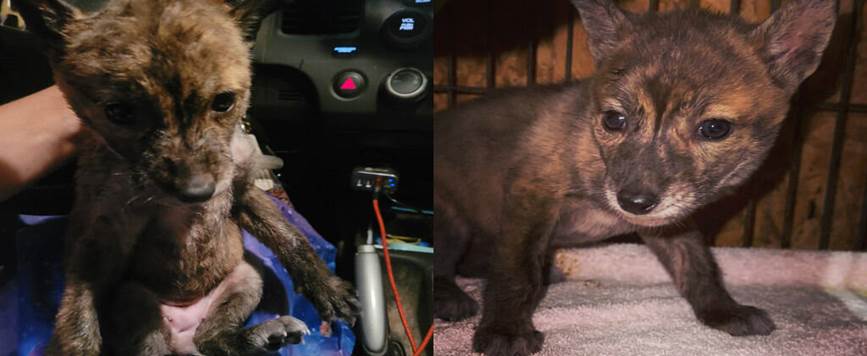
When animal rescuer Tory Chang spotted a tiny creature shivering in the mud during a rainy drive through a rural area, they had no idea they were about to ignite a mystery that would leave everyone scratching their heads. The little animal, drenched and trembling, was scooped up and placed gently in the warmth of Chang’s car. At first glance, Chang thought she looked like a baby fox. But as the days unfolded, the creature—later named Yoti—would keep rescuers, foster parents, and animal lovers guessing: Was she a fox, a coyote, or a dog? It wasn’t until months later, with the arrival of DNA test results, that the truth was finally revealed. And by then, Yoti’s story had become one of resilience, wonder, and a fascinating glimpse into the mysteries of the natural world. A Rainy Night Rescue The night Yoti was found was cold, muddy, and stormy. Chang, who was used to seeing wildlife dart across roads in rural areas, immediately noticed that this particular animal wasn’t moving as quickly as she should. Instead, she was struggling, almost stuck in the mud, her small body weighed down by rain. Concerned, Chang pulled over and gently picked her up. Up close, the little creature’s features seemed unusual. Her body was tiny, but her paws and tail seemed larger than expected for such a young fox. Even so, Chang felt certain this was a fox cub and quickly reached out to For Fox Sake Wildlife Rescue, a group that specializes in helping injured and orphaned foxes. When the rescuers received the first blurry photo of Yoti, they were intrigued—and confused. “We asked the finder for a photo and were instantly a little puzzled because the ‘fox’ looked more like a coyote pup in the face, paws and tail,” the rescue later wrote on Facebook. “But she had markings more like a red fox. We figured we’d get a better look once she got here.” Chang then drove several hours to deliver the tiny mystery animal to the rescue. What was supposed to be a routine intake became the beginning of an identity puzzle that would baffle everyone involved. The Confusing Case of Yoti Once at the rescue center, Yoti drew even more puzzled looks. Her brindle-and-white markings didn’t line up with typical fox traits. Her face seemed dog-like, yet her energy was wilder than any domestic puppy. The staff debated endlessly: Was she a fox? A coyote? Or could she actually be someone’s lost dog? Unable to pin down her identity, and because they weren’t equipped to raise what might be a puppy, the rescue placed Yoti in a foster home while they awaited the results of a DNA test. Her foster mom quickly realized this little one was a handful. “As she’s gotten older, her temperament proved to be too much for a domestic rescue to handle,” the rescue explained. Her energy wasn’t just “puppy rowdiness”—it was something more primal. She was playful but unpredictable, curious but independent. Over time, it became clear that she might not belong in a typical household. So Yoti returned to For Fox Sake Wildlife Rescue, where her quirks only deepened the mystery. “Her temperament, paw pad shape and vocalizations are all exactly like a cross between a coyote and a domestic dog,” staff noted. “She must have at least one domestic dog ancestor since brindle markings do not naturally occur in full-blooded coyotes.” The team waited anxiously for the DNA results, confident they would solve the riddle once and for all. The DNA Results: Mystery Solved Finally, the results came in—and they confirmed what rescuers had suspected. Yoti was neither fully coyote nor fully dog, but a coyote-dog hybrid, sometimes known as a “coydog.” “Yoti does have genetic markers that are unique to domestic dogs and were introduced within the last four generations,” the rescue shared. While rare, coydogs do exist. These hybrids can occur in the wild, but it’s uncommon for them to survive, especially as pups. Somehow, Yoti had made it through the rainstorm and the dangers of her first weeks alive. Her brindle coat, a trait from her dog ancestry, was the clearest giveaway. As much as her rescuers adored her, the results meant Yoti could not live as a pet. Her wild instincts were too strong, and her temperament required specialized care. She needed to grow up with an environment that respected her hybrid nature. A Future in the Wild With answers finally in hand, rescuers knew where Yoti’s journey would take her next. She was transferred to Walden’s Puddle, a wildlife rehabilitation center equipped to handle unique cases like hers. There, she would grow alongside another “mystery pup” until she was strong and independent enough to return to the wild. While it was bittersweet for her foster mom and rescuers, they knew it was the best outcome. Yoti’s place wasn’t in a living room or backyard—it was in the forests, fields, and wild spaces where her coyote lineage could thrive. “Coyote-dog hybrids rarely occur or survive in the wild … But life, uh … finds a way,” the rescue noted, quoting the famous line from Jurassic Park. Yoti’s journey had started with fear and uncertainty in the rain, but it would end with freedom, strength, and the chance to live as she was meant to. Yoti’s story captivated everyone who followed it because it revealed just how complex and mysterious nature can be. A single rainy night encounter turned into months of speculation, scientific testing, and soul-searching about where she truly belonged. For Tory Chang, who pulled her out of the mud, it was a reminder of how powerful one act of compassion can be. For For Fox Sake Wildlife Rescue, it was a fascinating case study of the blurred lines between domestic and wild. And for Yoti, it was the beginning of a wild and wonderful life.

The Mystery Pup in the Rain: Yoti’s Incredible Journey From Confusion to Clarity Read More »

Shoebill Storks: Giant Prehistoric Birds That Seem Too Unreal to Exist

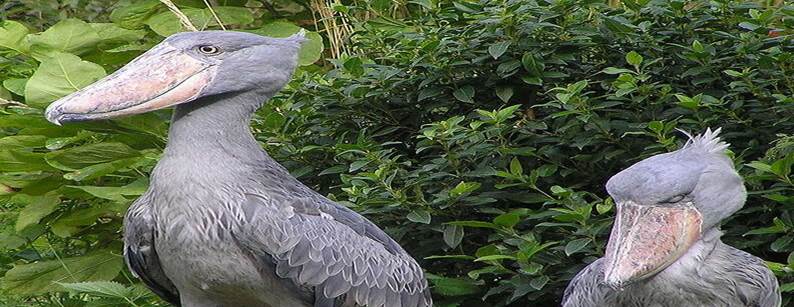
Standing over four feet tall, the shoebill stork is one of the most awe-inspiring and unusual birds on Earth. With its massive, shoe-shaped bill, piercing yellow-green eyes, and towering stature, the bird looks almost prehistoric, as though it stepped out of a time long before humans existed. It is so extraordinary that many people, upon seeing images of it, assume it must be a mechanical creation or a cleverly designed prop. Yet, these incredible creatures are entirely real, inhabiting the tropical swamps and marshes of East Africa, where they have thrived for centuries despite the pressures of modern life. Shoebills are not just unusual for their size. Their demeanor is equally remarkable. They can stand perfectly still for hours at a time, seemingly motionless, as they patiently wait for the right moment to catch prey. This stillness gives them a ghostly presence in the swamp — one that is both intimidating and mesmerizing. Locals who encounter these birds in the wild often describe them as statuesque, like living relics from an ancient era. Anatomy and Prehistoric Features The shoebill’s most notable feature is undoubtedly its enormous bill, which resembles a wooden shoe in shape. This massive tool is perfectly adapted for hunting, allowing the bird to catch large fish, frogs, and even young crocodiles. Its sharp edges can clamp down with surprising force, making the shoebill a formidable predator in its aquatic environment. The bird’s eyes are set forward on its head, giving it excellent binocular vision, crucial for spotting prey even through the dense marsh vegetation. Standing tall and broad-shouldered, the shoebill can appear almost cartoonish, particularly when its head jerks forward and backward in quick bursts — a motion that makes it seem robotic. But this behavior is purposeful. The jerky movements help it gauge distance and precisely time its attacks. Despite its intimidating appearance, the shoebill is surprisingly patient. It often remains still for hours, conserving energy while waiting for an unsuspecting fish or reptile to come within reach. Beyond its impressive hunting adaptations, the shoebill’s wingspan is equally breathtaking. These birds can stretch their wings to over eight feet, enabling them to fly short distances even though their size might suggest otherwise. When in flight, they glide silently above the swamp, an imposing silhouette against the horizon. Diet and Hunting Behavior Shoebills are apex predators in their habitat. While fish form the bulk of their diet, they are not limited to small prey. Reports from naturalists have documented shoebills hunting monitor lizards, frogs, and even baby crocodiles. Their approach to hunting is methodical. A shoebill will position itself at the edge of a marsh or shallow waterway and remain motionless, sometimes for hours, as it watches for movement below the surface. When prey is within striking distance, it attacks with lightning speed, using its enormous bill to seize its target before it has a chance to escape. Interestingly, shoebills are largely silent birds. They only make noise in specific situations, such as clapping their bills together to greet another bird or to communicate with their young. This quiet nature complements their hunting strategy, allowing them to approach prey without startling it. Their imposing appearance alone — a creature four feet tall with a bill capable of snapping a small crocodile — is often enough to assert dominance in their territory. Conservation Challenges Despite their impressive adaptations and enigmatic presence, shoebills face serious threats in the wild. Habitat destruction is perhaps the most significant risk. The marshlands of East Africa, particularly around Mambamba Lake, are under pressure from agriculture, oil exploration, and human settlement. These activities reduce the availability of suitable hunting grounds, forcing shoebills to adapt to increasingly fragmented environments. In addition to habitat loss, shoebills are targeted by the illegal bird trade. Their striking appearance and rarity make them highly sought after by collectors, often leading to capture in the wild. Unfortunately, shoebills are extremely sensitive birds, and mortality rates during capture, transport, and captivity are alarmingly high. Captive breeding has proven largely unsuccessful, with only a handful of chicks ever hatched in zoos — two in 2008 and one in 2009. This inability to sustain captive populations means that poachers continue to rely on wild-caught birds, further endangering natural populations. Researchers emphasize that protecting wild shoebills requires vigilant conservation measures and strict enforcement against illegal trade. Without these protections, one of the most remarkable bird species in the world could face continued population decline. Community Conservation and Ecotourism Fortunately, local communities near shoebill habitats are rising to the challenge. Residents in Mambamba Lake and surrounding areas have formed volunteer groups to monitor the swamps and report suspicious activity to authorities. These local conservationists play a vital role in protecting the birds from poachers and maintaining a safe environment for breeding and hunting. Additionally, ecotourism has become a valuable tool in shoebill conservation. Tourists visiting East Africa can sometimes catch a glimpse of these majestic birds in their natural habitat. Guides lead visitors through dense marshlands, offering a rare chance to observe shoebills hunting and interacting in the wild. These guided tours not only generate income for local communities but also raise awareness of the species’ plight and the importance of preserving their fragile ecosystems. Seeing a shoebill in the wild is a breathtaking experience. Standing motionless in the marsh, eyes locked on potential prey, the bird embodies patience and precision. Observers often remark on the surreal quality of watching a creature that looks both ancient and almost mechanical, yet fully alive and aware of its surroundings. For conservationists and bird lovers alike, witnessing a shoebill in its natural environment is a reminder of the incredible biodiversity that still exists and the responsibility humans have to protect it. A Living Prehistoric Wonder Shoebills are more than just unusually large birds — they are living symbols of the complexity and beauty of East Africa’s marsh ecosystems. Their prehistoric appearance, extraordinary hunting skills, and calm yet commanding presence make them one of the most fascinating species

Shoebill Storks: Giant Prehistoric Birds That Seem Too Unreal to Exist Read More »