Wellness

The Unburdening: Two Rescue Puppies Shed Years of Neglect and Fear for a New, Weightless Life

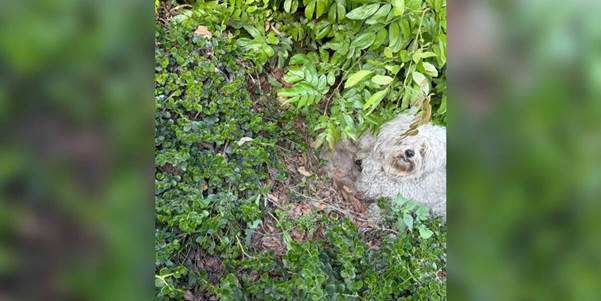
The call came in on a humid, late-summer afternoon: two small, dark-colored creatures had been sighted near the edge of a municipal park, blending perfectly into a dense patch of rhododendron bushes. They weren’t moving, and they weren’t responding to gentle calls. They were simply huddled together, completely motionless, for days. Rescue volunteer Clara was the first to approach the scene. She moved slowly, quietly, respecting the deep terror she knew these animals must be feeling. As she got closer, she realized why they were so hard to distinguish from the foliage. They weren’t just dirty; they were living sculptures of neglect. The two small dogs, a brother and sister later named Atlas and Willow, were hidden under a coat of dark, felted fur so thick and heavy it looked like armor. This matted shell, filthy from weeks spent on the streets, was interwoven with twigs, mud, and dried leaves from their hiding spot. It was a suffocating, painful burden—a direct physical manifestation of their fear and their past life. . They were terrified of human contact. Every attempt to lure them out with soft words and food was met with a desperate retreat deeper into the thorny branches. It took three hours of patient, quiet work, using a catch pole only when necessary, to finally secure them and lift their heavy, frozen bodies into the safety of the transport van. At the clinic, the veterinarian estimated their ages to be around six months, but their condition made that hard to confirm. The matting was severe, binding their limbs and constricting their movement. Atlas, the slightly larger of the two, had mats so tight they were cutting off circulation in his front paws. Willow’s eyes were almost completely covered by thick curtains of painful, greasy fur. They were rushed immediately to the grooming station. This wasn’t a cosmetic appointment; it was a necessary medical intervention. The rescue team knew that until they shed this physical history of their suffering, they would never truly be able to move forward. The initial process was agonizingly slow. The fur was too hard and too close to the skin for regular scissors; the only way was with electric clippers, slowly, millimeter by careful millimeter. It took two professional groomers over four hours just to chip away at the layers of concrete-like hair. As the clumps fell away, the relief was almost palpable. The air was filled with the heavy smell of filth and the sound of buzzing clippers, but beneath it, the groomers began to find something precious: actual dogs. When the last of the heavy, dark coats were finally sheared off, Atlas and Willow emerged completely transformed. They were two beautiful, bright white puppies with long, silky ears and eyes that, now uncovered, were wide with cautious curiosity. The sheer weight of their discarded fur was astounding—a physical mound of dread and neglect piled high on the floor. But the most incredible transformation wasn’t just visible; it was felt. As the weight of the mats—the dead weight of their past—was removed, the puppies began to move as if they were learning to walk for the first time, free of invisible restraints. Atlas tentatively took a few steps, his paws no longer constrained by tight bands of hair. He shook his whole body, a movement he probably hadn’t been able to fully execute in months, and looked utterly shocked by the lightness. . Willow, once hidden behind a greasy veil, now looked out at the world with an open, inquiring gaze. She nuzzled against the groomer’s hand, a small, trusting gesture that spoke volumes. The fear was still there, but it was now laced with an undeniable sense of unburdening and relief. After their extensive grooming and a warm, soothing bath that washed away the lingering grime, the pups were clean, comfortable, and, most importantly, physically freed. They were given their first proper meal, and later, they were gently introduced to a soft, clean bed. The next morning, the change was dramatic. No longer the terrified, inert lumps of fur in the bushes, the two siblings were tentatively exploring their surroundings. Their coats, a clean, snowy white, glistened under the light. They could run, they could play, and they could finally feel the comfort of touch without the barrier of painful, heavy matting. . Clara returned to check on them and found them curled up together, their little faces peaceful. When she approached, instead of shrinking away, Atlas tentatively offered a small, hesitant tail wag. Willow got up, stretched her newly flexible legs, and padded over to Clara, accepting a quiet scratch behind her ear. They had shed more than just hair that day; they had shed the physical memory of fear and abandonment. They were ready to begin their new, lightweight life—a life where their true, bright spirits were no longer hidden beneath a dense, matted shell. They were finally, truly, free.

The Unburdening: Two Rescue Puppies Shed Years of Neglect and Fear for a New, Weightless Life Read More »

From Forgotten to Forever: Stu the St. Bernard’s Remarkable Journey to Love

A Heartbreaking Discovery Before Christmas Just days before Christmas, the team at Stray Rescue of St. Louis (SRSL) received a distressing call that would change one dog’s life forever. A concerned Good Samaritan had stumbled upon an abandoned home, and inside was a heartbreaking sight: a St. Bernard trapped in a crate, left to survive alone. When rescuers arrived, they were unprepared for the condition of the dog, later named Stu. Instead of the towering, fluffy presence St. Bernards are known for, Stu appeared fragile and skeletal. His body was frail, his coat filthy, and his spirit dimmed by months of neglect. An adult St. Bernard typically weighs between 120 and 180 pounds. Stu weighed just 43. The rescuers could hardly believe the scale — he was more than 80 pounds underweight. In that moment, they knew that bringing him back to health would be a challenge, but also that he deserved every chance at a full recovery. The Fight for Survival Begins At the SRSL clinic, the staff immediately jumped into action. Stu was shivering, his ribs visibly protruding, and he was too weak to stand for long. The first step was to stabilize his body temperature with warm blankets, soft bedding, and constant cuddles. Food, however, had to be given cautiously. Feeding a severely malnourished dog too much too quickly can be dangerous, so the staff created a careful schedule — small, frequent meals designed to rebuild his strength safely. Every day, he was offered nourishment, encouragement, and love. As the days passed, Stu’s resilience began to show. His eyes, once dull, started to brighten. His body, though frail, slowly gained strength. Within a week, Stu was strong enough to move into a medical foster home, where he could continue healing in a quieter, more comfortable environment. In his new foster home, Stu discovered joys that had long been denied to him. A custom-made, St. Bernard-sized bed quickly became his favorite spot, and he relished being surrounded by other dogs. He spent hours napping, slowly regaining his energy, and accepting the affection he had missed for so long. Blossoming Into the Dog He Was Meant to Be As Stu’s health improved, so too did his personality. He had always been gentle, but now his playful, affectionate side began to shine through. “He is such a love bug,” SRSL shared in an update. “If you stop petting him, he nudges or nibbles you gently until you give him more attention.” Stu quickly discovered the joy of toys — especially his favorite ball — and he started to believe he was a lap dog, despite his ever-growing size. His progress amazed everyone who followed his journey. With each passing week, Stu added more weight, muscle, and confidence. Eventually, he didn’t just meet the recovery goal set by SRSL — he surpassed it. “He has literally doubled his weight and is still gaining,” the organization reported proudly. The frail, broken St. Bernard who had been discovered in despair was now almost unrecognizable: strong, happy, and full of life. A Happy Ending Worth Waiting For The most joyous moment of Stu’s journey came in early spring, when he officially found his forever home. His new family fell in love instantly, describing him as “the most perfect angel” in a heartfelt letter shared by SRSL. For the rescuers who had first met Stu in such dire condition, the news brought tears of happiness. They admitted they would miss his comforting presence around the rescue center — his cuddles and his calm, loving energy — but they knew he was exactly where he belonged. “Time to heal in peace, sweet angel,” the SRSL team wrote. “You deserve the whole, entire world.” Now surrounded by people who adore him, Stu no longer has to worry about an empty stomach or an abandoned home. Instead, he enjoys his days as a cherished companion, showered with love and care, finally living the life every dog deserves. Stu’s Story: A Reminder of Hope and Healing Stu’s transformation is more than just a rescue story — it’s a testament to resilience, compassion, and the power of second chances. From being left behind in a crate to becoming the treasured heart of a new family, his journey reminds us of why animal rescues fight so tirelessly for forgotten pets. Every scar tells a story, and Stu’s scars tell one of survival, healing, and the incredible difference love can make. Today, he’s proof that even in the darkest of situations, there’s always hope for a brighter tomorrow.

From Forgotten to Forever: Stu the St. Bernard’s Remarkable Journey to Love Read More »

From Abandonment to Hope: Three Tiny Kittens Get a Second Chance at Life

Walking home from work one evening in Limassol, Cyprus, Oksana Krasan never imagined she would stumble upon a scene that would tug so strongly at her heart. Just a few steps from her apartment building, she noticed a crowd of neighbors huddled around a cardboard box left by the roadside. At first, she assumed it might be filled with discarded items — but then she heard it: faint, heartbreaking cries that didn’t belong to objects. When she peeked inside, she froze. Nestled together in the box were three newborn kittens, their tiny bodies shaking as they wailed for help. Their eyes were still closed, a sign that they were no more than a week old. These babies were far too young to survive on their own. “Clearly someone threw them away there, because they still had their eyes closed,” Krasan later wrote in a Facebook post. “They were very weak and were desperately crying.” The group of onlookers searched the surrounding area for a mother cat, hoping she might return, but there was no sign of her. It became painfully clear that the kittens had been abandoned. A Difficult Choice With No Easy Answer The crowd lingered, trying to decide what to do. Some pitied the kittens, but no one was prepared to bring them home. Hours slipped by, and the fragile babies remained in the box, their cries echoing down the street. For Krasan, the moment turned into an inner battle. She knew what it meant to care for kittens so young — the sleepless nights, the constant feeding, the fear of losing them. Still, as time passed and no one stepped forward, the sound of their desperate meows grew harder to bear. Finally, she made her choice. “I couldn’t listen to them suffering any longer,” she said. She gently lifted the tiny kittens from the box, cradling them against her chest. They were no longer abandoned — they had someone willing to fight for them. Learning the Role of a Surrogate Mom Krasan’s first stop was a local veterinary clinic, where she purchased a special kitten formula designed to replace a mother cat’s milk. She asked the vet and other rescuers for guidance, determined to give the kittens the best possible chance. Back home, she turned her bathroom into a safe haven. She lined a box with blankets to keep them warm and set up a strict feeding schedule. Every few hours, day and night, the kittens needed to be bottle-fed. Krasan enlisted the help of a friend to share the responsibility, but the workload was still exhausting. There were moments of worry — were they eating enough? Were they gaining weight? Each feeding session came with its own challenges, but the kittens slowly began to grow stronger. Caring for the little ones extended beyond meals. Krasan had to gently stimulate their tiny bellies after each feeding to help them relieve themselves, a job their mother would normally handle. As they got a little older, she introduced them to a litter box, teaching them step by step how to use it. “Since I decided to take them, I couldn’t let them down,” Krasan explained. “I had to do everything I could for them to find a loving family.” Watching Them Blossom Into Playful Kittens The early days were filled with worry, but soon the kittens began to thrive. Their eyes opened wide to reveal curious gazes, and their little legs grew strong enough to wobble around. With every passing day, their personalities bloomed. “They are very playful, as all kittens [are], and very sweet,” Krasan said proudly. One kitten loved chasing shadows across the wall, while another preferred curling up in Krasan’s lap after feeding. The third seemed to be the boldest of the bunch, always the first to explore new corners of the bathroom. Krasan delighted in these small milestones. The kittens, who once lay weak and abandoned in a box, now filled her home with energy, mischief, and laughter. Each tiny victory reminded her why she had stepped in that day — because every life, no matter how small, deserves a chance. Finding the Families They Deserve As the kittens grew, Krasan knew she had to think about their future. She loved them dearly, but she couldn’t keep all three herself. They needed forever homes where they would be cherished, safe, and never abandoned again. She began sharing updates and photos on Facebook, showing the kittens’ progress and their playful personalities. The response was overwhelming — dozens of people reached out, eager to adopt. But Krasan wasn’t about to hand them over lightly. “I got quite a lot of responses,” she explained. “I’m gonna make home checks to make sure they are gonna end up in good hands.” Her priority wasn’t speed, but quality. She wanted families who understood the responsibility of caring for a pet and who would provide love for the kittens’ entire lives. For Krasan, this wasn’t about simply finding homes — it was about finding the right homes. Until then, the kittens continued to thrive in her care, climbing, tumbling, and filling her bathroom with joyful chaos. Their journey from abandonment to safety became a story of resilience — and of one woman’s refusal to walk away. The Bigger Picture: Compassion That Changes Lives Stories like these shine a light on a larger issue: the heartbreaking frequency of pet abandonment. Across the world, countless animals are discarded when they are no longer wanted. Many never get the second chance that Krasan’s kittens did. But her story also offers hope. It shows how one person’s decision to act, rather than look away, can completely alter the course of a life. Three tiny kittens who had no chance on their own are now healthy, playful, and on their way to finding homes where they’ll be loved forever. For Krasan, the experience was exhausting but profoundly rewarding. The kittens gave her sleepless nights, but in return, they offered her unconditional trust and a reminder

From Abandonment to Hope: Three Tiny Kittens Get a Second Chance at Life Read More »

Rescue Dog Was Too Scared To Step Outside — Until He Met A Kitten

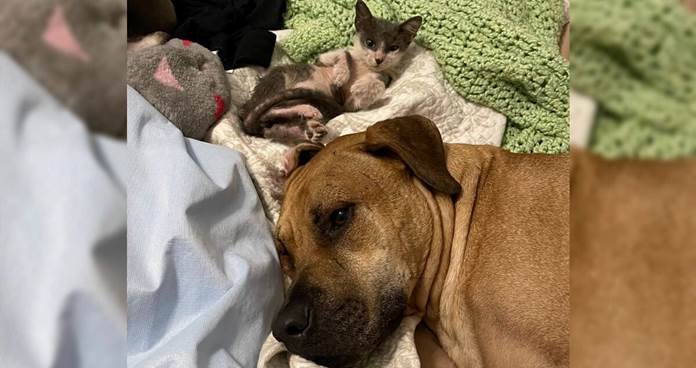
When Claudia Papp first laid eyes on Chapo, she could tell he carried the weight of a painful past. Rescued from an abusive situation, Chapo had narrowly escaped euthanasia at a shelter. By the time he arrived at Papp’s home through Diamonds in the Ruff Animal Rescue, he was a shell of the dog he was meant to be. His fur was patchy from fleas and skin infections, his stomach unsettled by worms, and his teeth fractured from unknown trauma. But more than his body, it was his spirit that bore the deepest wounds. Fear clung to him like a shadow. He didn’t bark, didn’t wag, didn’t dare to trust. That first night in Papp’s home was heartbreaking. Instead of exploring like most dogs, Chapo stood rigidly by the back door, staring at it as if freedom was something unreachable. For five days, he barely moved toward Claudia. His silence spoke louder than words — he had learned that the world was not a safe place. “I could see it in his eyes,” Papp later shared. “It wasn’t just fear — it was disbelief that kindness could exist.” Claudia had fostered 47 dogs before Chapo, each with their quirks, struggles, and healing journeys. But something about Chapo was different. His quiet dignity, his gentleness, and the way his soulful eyes searched for safety made him impossible to let go. Instead of preparing him for adoption, Claudia made the life-changing decision to keep him. Chapo became her very first foster fail — not because he failed, but because love had finally found him. A Kitten Named Cecily For months, progress with Chapo was painstakingly slow. Even after five months in Claudia’s care, he refused to step outside. The world beyond the walls still terrified him. She tried everything — gentle encouragement, positive reinforcement, patience — but the door to the backyard remained a line he couldn’t cross. Then, something unexpected happened. Claudia noticed how Chapo seemed unusually calm around her resident cat. While dogs and cats often need time to adjust to each other, Chapo seemed to draw comfort from the cat’s quiet confidence. That sparked an idea. When a tiny kitten named Cecily needed a foster home, Claudia brought her in — hoping she might add a new kind of energy to the household. Cecily, with her bright eyes and fearless playfulness, was everything Chapo was not. She bounced around the house, pouncing on toys, chasing shadows, and curling up wherever she pleased. To Claudia’s amazement, Chapo was immediately drawn to the little ball of fur. Cecily, in turn, seemed to sense that Chapo was gentle and safe. She trusted him without hesitation, nuzzling into his side and curling up beside him to nap. It was as if she recognized the kindness in him that he himself couldn’t yet see. And then, almost miraculously, Chapo began to change. Two weeks after Cecily’s arrival, Claudia watched in awe as her once-frozen dog simply got up, walked to the back door, and stepped outside — all on his own. “It was just something about her that gave him this level of confidence he’d never had the entire time he’d been with me and probably his entire life,” Claudia explained. Lessons From The Smallest Teachers What Claudia hadn’t anticipated was how powerful the kittens’ influence would become. Cecily opened the door — literally and figuratively — for Chapo, but she wasn’t the last. Seeing the transformation unfold before her eyes, Claudia began fostering more kittens. Each one brought a new burst of energy into the home, and each one seemed to help Chapo bloom a little more. He didn’t just tolerate the kittens — he learned from them. When a kitten stretched luxuriously on the rug, Chapo would stretch too. When they rolled onto their backs in playful trust, Chapo imitated them, as if testing out this new language of comfort and joy. The most surprising part, however, was Chapo’s own nurturing spirit. Despite never having experienced gentle care in his former life, he seemed to instinctively know how to provide it. Many of the kittens Claudia fostered were fragile — some battling illnesses, others needing extra support. Chapo became their quiet protector. He lay beside them when they were weak, offered his warmth when they shivered, and nudged them gently with his nose as if reminding them they weren’t alone. “He just has this nurturing ability that I’ll never really understand how he got,” Claudia reflected. “Because he certainly didn’t learn it from the person who had him before.” What trauma had stolen from Chapo, the kittens helped restore. In return, he gave them safety, comfort, and the kind of love only a gentle soul could provide. A Transformation Four Years In The Making Today, four years after Chapo first entered Claudia’s life, the timid, broken dog who wouldn’t step outside is almost unrecognizable. He’s still gentle and thoughtful, but now he’s also confident, affectionate, and full of quiet joy. “He’s at a level of progress that I never really saw as possible for him,” Claudia said proudly. Thanks to dozens of kittens who passed through their home, Chapo not only found his courage but also discovered his purpose. Each little life that crossed his path helped him heal — and he, in turn, helped them grow stronger.

Rescue Dog Was Too Scared To Step Outside — Until He Met A Kitten Read More »

From Wooly Prison to Gentle Freedom: Alex the Sheep’s Incredible Rescue

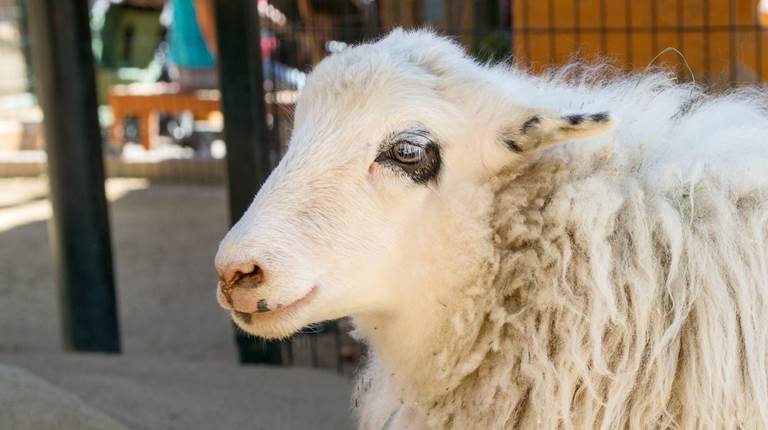
It was an ordinary day in March 2022 when a passerby in Victoria, Australia, stumbled upon something unusual. From a distance, it looked like a strange pile of dirty wool mixed with twigs and leaves. At first, the person thought it might just be an abandoned heap of fleece caught in the bush. But as they walked closer, they realized this wasn’t just a pile of wool at all — it was alive. Underneath the massive tangle of matted fleece was a sheep, collapsed and unable to stand. His body was hidden so deeply under the coat that it was hard to even see his face at first. The sight was heartbreaking. The sheep’s fleece had grown so long and heavy that it had become a prison. Without help, the animal wouldn’t survive. Calling for Help The Good Samaritan knew there was no time to waste. They quickly contacted Edgar’s Mission, a local farm sanctuary known for rescuing and rehabilitating animals in need. Pam Ahern, the founder and director of Edgar’s Mission, remembers that call vividly. “I’m not sure how long the poor fellow had been lying there,” she explained. “But judging by the length of his fleece, he had not been shorn in many years. Had he not been found when he was, he would have passed from this world.” It was a sobering reminder of how dangerous neglect could be for animals like him. But thankfully, help was on the way. The Rescue Mission Begins A team from Edgar’s Mission rushed to the scene. What they found was shocking: a sheep completely buried under an unbelievable amount of wool. Later, they would weigh the fleece and discover it totaled 88 pounds — more than half the weight of the animal himself. Moving the sheep wasn’t easy. He was weak, tired, and struggling to breathe under the weight of his own coat. But with patience and care, rescuers managed to lift him to safety and transport him back to the sanctuary. There, the real work began. Shearing Away the Pain The sheep, now lovingly named Alex, was placed gently on a table where staff prepared to shear him. For Alex, this was not just a haircut — it was a life-saving procedure. The process took time. With every careful swipe of the clippers, layers of dirty, tangled fleece fell away. The rescuers had to move slowly, making sure not to hurt Alex’s delicate skin hidden beneath the wool. All the while, Alex stayed calm, almost as if he knew the people around him were there to help. His body finally felt lighter with every passing minute. When the final tuft of wool was removed, Alex was transformed. Gone was the heavy, matted mass that had trapped him. In its place was a slender, gentle sheep finally able to feel the fresh air on his skin again. Standing on His Own Again The moment of truth came when Alex was lifted back to his feet. At first, his legs were shaky — after all, it had been so long since he had walked without carrying that massive burden. But slowly, carefully, he managed to take a few steps. The rescuers held their breath, watching him wobble forward. And then, like magic, Alex began to move more confidently. He was free. Pam Ahern later shared, “I’m not sure who was more relieved when the job was done. But there was a collective sigh from one and all.” That moment symbolized more than just a physical rescue — it was a second chance at life. Finding a Forever Family Once Alex had recovered from the ordeal, he began exploring life at Edgar’s Mission. For perhaps the first time in his life, he was surrounded not by fear or neglect, but by love and safety. He was soon introduced to other rescued sheep, including two elderly and wise ewes named Chloe and Molly Brown. These two “mentors” took Alex under their wings, showing him the ropes of his new forever home. “They let him know that he really had landed on heaven on earth,” Edgar’s Mission wrote. And Alex seemed to understand. He quickly settled in, enjoying good food, soft grass, and the company of friends. At the sanctuary, Alex wasn’t just another sheep — he was family. Alex’s story is more than just a rescue tale. It’s a powerful reminder of what compassion can do. Left alone in the bush, Alex would never have survived under the crushing weight of his fleece. But because one person cared enough to stop and look closer, his life was saved. Today, Alex’s transformation is inspiring people around the world. His journey from suffering to safety shows how even the smallest act of kindness — like calling for help — can change a life forever. Pam Ahern put it best: “Getting an animal like that, it’s a lot of work. But it’s so rewarding to give that animal a second chance.” And thanks to Edgar’s Mission, Alex not only got a second chance — he got a forever home filled with love, care, and freedom.

From Wooly Prison to Gentle Freedom: Alex the Sheep’s Incredible Rescue Read More »

Persistent Cries From a Box: How Two Abandoned Kittens Found Hope Outside a Shop

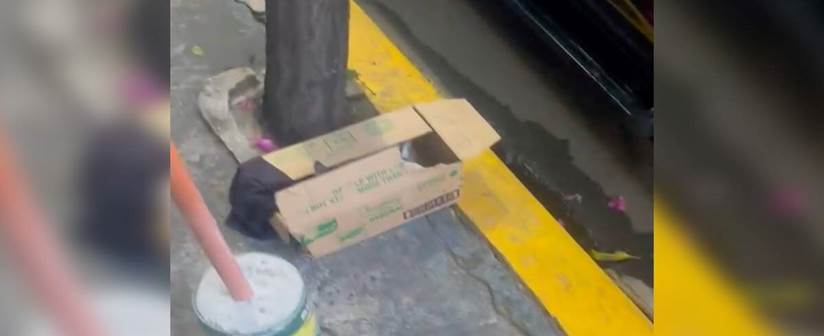
Sometimes, the smallest sounds carry the biggest meaning. For shop owner Maruja Daine Valdez, an ordinary day at her pet supply store in the Philippines turned unforgettable when faint cries led her to a heartbreaking discovery. What began as a routine check for a roof leak ended with two fragile lives being saved and a powerful reminder of the compassion we owe to animals who cannot speak for themselves. A Cry in the Quiet Valdez had been tending to her shop, Tiny Pets, when she first noticed the sound. At first, it was faint—almost drowned out by the usual hum of the street outside. But as she paused and listened closer, the cries became clearer. “They were soft but insistent,” Valdez recalled. “Persistent cries that didn’t stop. That’s when I knew — these were kittens.” Following the sound, Valdez stepped outside and immediately spotted a small cardboard box left near her store’s entrance. Inside, two tiny kittens were curled up tightly together, their little bodies trembling from fear and exhaustion. Their eyes were crusted shut with mucus, and their weak cries told Valdez everything she needed to know: they had been abandoned and left to fend for themselves. First Moments of Rescue Neighbors nearby warned Valdez not to get too close. They believed the kittens might be feral, aggressive, or too wild to handle. But Valdez’s instincts told her otherwise. “As soon as I held them, all those warnings melted away,” she said. “They weren’t feral — they were just scared, vulnerable, and desperate for comfort. No hissing, no claws, no growling. Just trembling little bodies in my hands.” Despite their frailty, the kittens seemed to understand they had found a safe place. Instead of resisting, they nestled into Valdez’s arms as if clinging to their last bit of hope. Recovery and Growing Strength Knowing they needed immediate care, Valdez took the kittens inside her shop to keep them safe before preparing to bring them home. She and her partner, both with veterinary experience, were well-equipped to handle the medical needs of the tiny pair. During the car ride home, the kittens remained calm and silent. They didn’t cry or struggle. Instead, they leaned against each other, finally allowing themselves a moment of peace. “They didn’t make a sound,” Valdez said. “They just nestled in, calm and still, like they finally knew they could rest.” Once home, Valdez and her partner gently cleaned their faces, wiped away the dried mucus around their eyes, and gave them much-needed vitamins and dewormer. The kittens’ response surprised even Valdez. “They ate so heartily, like they hadn’t had a proper meal in days,” she said. “Then they curled up and slept deeply, as if their little bodies finally had permission to rest.” Over the following days, the kittens grew stronger. With proper nutrition, hydration, and tender care, they began to recover quickly. Their bright eyes and louder purrs became daily reminders of how far they had come in such a short time. Valdez later moved them to Lucky Paws, her other shop, which also functions as a pet boarding facility. This provided the kittens with a safe environment where they could grow stronger and receive round-the-clock care. A Second Chance at Life For Valdez, rescuing the kittens was never just about temporary shelter. She is committed to ensuring they are fully prepared for forever homes. She and her partner have pledged to cover all of the kittens’ medical needs, including vaccinations, parasite treatments, and spay surgeries, completely free of charge. All that’s left now is for them to find families who will see their worth and give them the love they’ve been waiting for. “They’re not just surviving anymore — they’re thriving,” Valdez said. “They deserve to grow up in homes where they’re safe and cherished, not in boxes left on the street.” In many parts of the world, kittens like these two are abandoned every day, often because people underestimate the responsibility of pet ownership or lack access to spay and neuter programs. Their cries are too often ignored, but for these two, luck arrived in the form of a compassionate shop owner who refused to walk away. Valdez’s story is a reminder that every life matters, no matter how small. The kittens’ recovery and growing trust show the resilience of animals when given just a little love and care. What began as faint cries on a rainy day has now turned into a powerful story of survival, second chances, and the kindness of one woman who chose to listen. As the kittens continue to grow stronger at Lucky Paws, the hope is clear: soon, they’ll find homes where their cries will be replaced with happy purrs, their trembling replaced with the comfort of safe arms. Because sometimes, all it takes is one person hearing a cry in the quiet to change everything.

Persistent Cries From a Box: How Two Abandoned Kittens Found Hope Outside a Shop Read More »

A Firefighter’s Gentle Rescue: Saving a Trapped Hummingbird

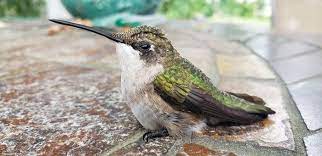
An Unexpected Discovery at the Station Firefighters are often celebrated for their bravery in burning buildings and life-threatening emergencies, but sometimes heroism looks a little different — quiet, delicate, and almost invisible. For firefighter Burke Alexander, based in Klein, Texas, one recent shift began with such a moment. As Alexander prepared for work at the fire station, something unusual caught his eye. On the ground, belly-up and motionless, was a tiny creature. At first glance, it looked like it might already be gone, but when Alexander leaned closer, he realized it was a hummingbird — one of the smallest, most fragile birds in the world — and it was barely clinging to life. “I checked really quick to see if he was breathing,” Alexander later recalled. “When I saw he was, I knew I had to help.” Hummingbirds are known for their incredible speed and energy, their wings beating nearly 80 times per second. To see one lying helpless on the floor of a fire station was both heartbreaking and alarming. Without immediate help, the bird would not survive. A Firefighter’s Instincts Kick In Alexander had spent his career rushing into emergencies where seconds mattered. Saving a hummingbird might have been new to him, but his instincts for life preservation were the same. He quickly fetched a small container of sugar water, the go-to remedy for an exhausted hummingbird in need of energy. Holding the fragile creature carefully, Alexander tried to guide its tiny beak toward the liquid. But the bird didn’t respond. Something seemed wrong. At first, Alexander thought perhaps the hummingbird was simply too weak to drink. But as he adjusted the bird gently in his hand, something caught his eye — a nearly invisible thread wrapped tightly around its wing. On closer inspection, he realized the bird was tangled in cobwebs. “I thought, ‘Oh, there’s something on here,’” he explained. “When I started pulling, I realized the webbing had completely wrapped around his wing. No wonder he couldn’t move.” A Delicate Act of Freedom Cobwebs, while harmless to most, can be devastating for small creatures like hummingbirds. Their wings are designed for rapid, unbroken motion, and even the slightest restriction can ground them. This bird had likely flown into the station, become trapped, and exhausted itself trying to escape — only to end up tangled and immobile on the floor. Alexander carefully used his fingers to peel away the sticky webbing, being cautious not to damage the bird’s delicate feathers or bones. The process required patience and an incredibly gentle touch, but little by little, the wing began to loosen. Finally, as the last strands came free, something remarkable happened: the hummingbird shook itself, buzzed its wings, and in an instant, shot back into the air. “It startled me,” Alexander admitted with a laugh. “One second he was in my hand, the next second he was gone.” Through the open bay doors of the fire station, the tiny bird zipped away, free once more. What had seemed like a tragic ending had turned into a joyful escape. More Than Just a Rescue For Alexander, the experience wasn’t just about saving one tiny bird. It was a reminder of the value of every life, no matter how small. “I’ve saved several animals and people — obviously, a lot more people,” he said. “But it’s always a good feeling, knowing you can be there for someone.” Growing up, Alexander had lived on property where hummingbirds often visited, so the little creature held special meaning for him. He knew firsthand how delicate they were and how much they depended on small acts of kindness to survive in a world filled with dangers. While most of his rescues go undocumented, Alexander decided to share this one on video, hoping it could raise awareness about how to help hummingbirds. He wanted others to know that something as simple as sugar water, patience, or removing a web could be the difference between life and death. And perhaps most importantly, he wanted to remind people that compassion doesn’t always require grand gestures. Sometimes it’s about noticing the tiny life on the ground in front of you and choosing to help. “It doesn’t matter if it’s a person, a dog, or even a hummingbird,” Alexander reflected. “If you can make a difference, you should. That’s what being human is about.”

A Firefighter’s Gentle Rescue: Saving a Trapped Hummingbird Read More »