Lucas Anderson

Trail of Hope in the Snow: How a Brave Dog Saved Her Puppies

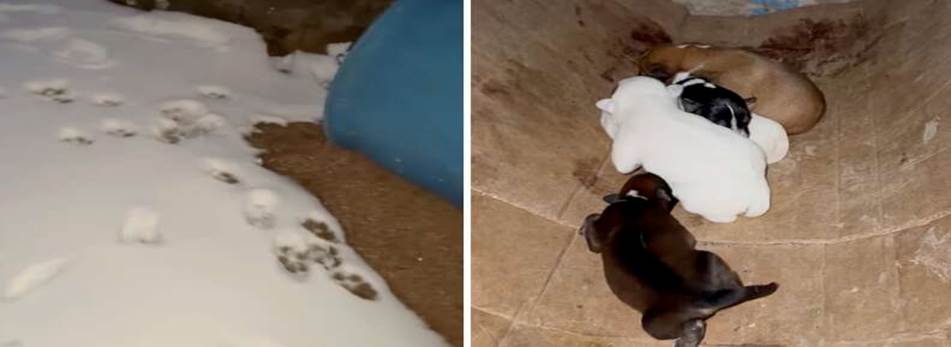
Texas isn’t usually known for blizzards, but last month, a record-breaking snowstorm transformed neighborhoods into sheets of white ice. Temperatures plummeted below freezing, leaving roads nearly impassable and residents scrambling for warmth. Amid the chaos, a quiet story of survival was unfolding in a nearby park. Mayra Luna, a professional dog trainer, had just finished her day when a message lit up her Facebook inbox. Someone had spotted a mother dog with newborn puppies left alone in the storm. Luna’s heart sank. She knew that in weather this brutal, minutes could mean the difference between life and death. Without hesitation, she bundled herself up, grabbed the essentials she might need, and drove through the icy streets toward the park. The entire ride, she braced herself for the worst. Paw Prints in the Snow When Luna arrived, silence hung heavy over the snow-covered park. She scanned the frosty landscape, searching for any sign of life. Then, she noticed them — faint paw prints etched into the snow, leading deeper into the park. She followed carefully, her heart pounding. The trail led her to a small, sheltered patch where she finally saw them: a mama dog curled protectively around her tiny litter. The puppies were just a few days old — so young that their eyes hadn’t even opened. To Luna’s surprise, despite the freezing conditions, the puppies were plump, healthy, and full of life. Their mother had clearly fought tooth and nail to keep them warm, shielding them with her body and nursing them even as she herself grew weaker. “My first reaction to seeing them was relief,” Luna later explained. “I thought I’d find them fragile and barely hanging on. Instead, their mom had done an incredible job of keeping them warm and fed.” A Leap of Faith As Luna approached, she prepared herself for a wary or defensive reaction. But instead, the mama dog lifted her head and trotted toward Luna with a wagging tail, as if sensing help had finally arrived. “Noticing her friendly demeanor, I opened the hatch door of my car where I had a kennel and asked her to jump in,” Luna recalled. “To my surprise, she jumped in with little hesitation.” It was as if the dog trusted her completely, as if she knew her babies would finally be safe. Luna gently scooped up each puppy, wrapping them together in a towel to preserve their warmth. She whispered reassurances to the exhausted mother: “I have your babies, they’re safe now, and you’ve done a fantastic job.” With everyone tucked in, Luna closed the hatch and drove home, her heart swelling with both relief and admiration. Healing From Hunger and Cold Back home, Luna turned her living room into a safe haven. She placed the puppies in a warm space where they could nurse, while their mother stretched out nearby, finally able to relax. A quick health check revealed that the puppies had mild frostbite on their tiny toes, but otherwise, they were in remarkable condition. The mama, however, told another story. In her desperation to survive, she had been eating anything she could find — plastic, foil, scraps — just to keep going. She was underweight, malnourished, and exhausted. Within days of good food, medical attention, and plenty of love, the family began to thrive. The mama, who had once been thin and weary, gained weight and discovered a playful side she hadn’t shown in the park. She grew especially fond of toys, tossing them into the air and chasing them around the house like a carefree puppy herself. The puppies, meanwhile, hit milestone after milestone. Their eyes slowly opened. They wagged their little tails when Luna or her sister entered the room. They tilted their heads at new sounds, curious about the world around them. Each small step was a miracle. “Watching them grow has truly been a blessing,” Luna said warmly. The Winter Warriors Every strong family deserves a name, and Luna gave this one a powerful title: “The Winter Warriors.” The mother was named Ember, a fitting tribute to the spark of determination that kept her pups alive. Her babies were named Phoenix, Pyra, Kindle, Spark, and Cinder — each name tied to fire, symbolizing warmth, resilience, and survival against the odds. The names weren’t just cute; they carried a deeper meaning. In the middle of a storm that could have taken everything from them, this little family had chosen life. Their survival was proof that even in the harshest conditions, love and persistence could keep hope alive.

Trail of Hope in the Snow: How a Brave Dog Saved Her Puppies Read More »
Beloved Dog’s Bed Finds New Life Comforting Neighborhood Feral Cats

Back in 2012, Kristina Rucker made a decision that would forever shape her life: she adopted Patches, a 7-year-old shelter dog who desperately needed a second chance. Patches wasn’t in the best condition when she arrived. Her spirit was dim, and she carried the weight of neglect. But Rucker was determined to help her heal. “I had to put in the work to train and teach and love her back to being a regular, lovable dog,” Rucker explained. “It took years, but she became my best friend.” And she truly did. Over the years, Patches blossomed into a happy, affectionate companion, becoming a treasured part of Rucker’s family. A Bed That Brought Comfort As Patches aged, her body began to show the wear of time. By age 13, arthritis had set in, making even simple movements painful. Her family did everything possible to ease her discomfort. She received medication, therapy sessions, and—perhaps her favorite gift of all—a giant, fluffy dog bed that became her sanctuary. The bed wasn’t just soft padding; it became her safe space. For five more years, it cradled Patches during naps, soothed her aching joints, and provided comfort through her golden years. Sadly, in 2022, Patches’ long, wonderful life came to an end at the remarkable age of 17. Her passing left Rucker devastated. And though the house felt quieter, one thing remained—a large, empty bed in the corner of the room, a constant reminder of her best friend. “I just couldn’t bring myself to get rid of it,” Rucker admitted. For years, the bed stayed exactly where Patches had left it. A New Purpose for an Old Friend Recently, Rucker decided that maybe the bed could have another life. Instead of sitting untouched, she placed it outside beneath her bedroom window, thinking that perhaps some neighborhood animals might find comfort in it. It didn’t take long. One day, Rucker peeked outside and discovered two feral cats curled up in the bed. To her amazement, the pair had markings that closely resembled Patches’ own patches. “When I first saw them, I called over my husband and daughter, and we all squealed because it was so cute,” Rucker recalled. The sight was both heartwarming and emotional. In some way, it felt like Patches’ spirit lived on through the cats who now rested where she once did. A Legacy of Love Since that day, the bed has rarely been empty. Local stray cats now visit daily, lounging in the cozy spot once loved by Patches. Rucker has embraced this new chapter, even setting out food to make sure the cats are cared for. “It’s turned into an everyday thing,” she said, smiling. Rucker is now planning to build a small, enclosed shelter around the bed to keep the cats safe from rain and cold weather. She also hopes to earn their trust so she can get them to a veterinarian someday. Though nothing will ever replace Patches in Rucker’s heart, the bed has become a symbol of continuity—of love that never fades but simply finds new ways to exist. “She was my best friend, and losing her was the hardest thing I have ever had to do,” Rucker said. “I love that her things can be reused instead of discarded, especially to help give the local kitties a place to sleep.” And so, the bed that once brought comfort to a beloved senior dog now continues its mission—offering warmth, rest, and safety to others in need. In its quiet way, it keeps Patches’ memory alive every single day.

Beloved Dog’s Bed Finds New Life Comforting Neighborhood Feral Cats Read More »

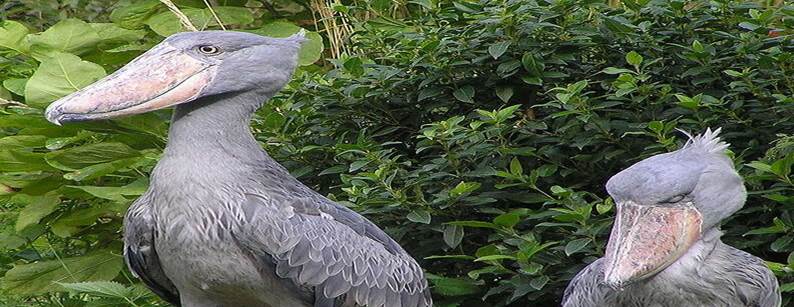
Shoebill Storks: Giant Prehistoric Birds That Seem Too Unreal to Exist

Standing over four feet tall, the shoebill stork is one of the most awe-inspiring and unusual birds on Earth. With its massive, shoe-shaped bill, piercing yellow-green eyes, and towering stature, the bird looks almost prehistoric, as though it stepped out of a time long before humans existed. It is so extraordinary that many people, upon seeing images of it, assume it must be a mechanical creation or a cleverly designed prop. Yet, these incredible creatures are entirely real, inhabiting the tropical swamps and marshes of East Africa, where they have thrived for centuries despite the pressures of modern life. Shoebills are not just unusual for their size. Their demeanor is equally remarkable. They can stand perfectly still for hours at a time, seemingly motionless, as they patiently wait for the right moment to catch prey. This stillness gives them a ghostly presence in the swamp — one that is both intimidating and mesmerizing. Locals who encounter these birds in the wild often describe them as statuesque, like living relics from an ancient era. Anatomy and Prehistoric Features The shoebill’s most notable feature is undoubtedly its enormous bill, which resembles a wooden shoe in shape. This massive tool is perfectly adapted for hunting, allowing the bird to catch large fish, frogs, and even young crocodiles. Its sharp edges can clamp down with surprising force, making the shoebill a formidable predator in its aquatic environment. The bird’s eyes are set forward on its head, giving it excellent binocular vision, crucial for spotting prey even through the dense marsh vegetation. Standing tall and broad-shouldered, the shoebill can appear almost cartoonish, particularly when its head jerks forward and backward in quick bursts — a motion that makes it seem robotic. But this behavior is purposeful. The jerky movements help it gauge distance and precisely time its attacks. Despite its intimidating appearance, the shoebill is surprisingly patient. It often remains still for hours, conserving energy while waiting for an unsuspecting fish or reptile to come within reach. Beyond its impressive hunting adaptations, the shoebill’s wingspan is equally breathtaking. These birds can stretch their wings to over eight feet, enabling them to fly short distances even though their size might suggest otherwise. When in flight, they glide silently above the swamp, an imposing silhouette against the horizon. Diet and Hunting Behavior Shoebills are apex predators in their habitat. While fish form the bulk of their diet, they are not limited to small prey. Reports from naturalists have documented shoebills hunting monitor lizards, frogs, and even baby crocodiles. Their approach to hunting is methodical. A shoebill will position itself at the edge of a marsh or shallow waterway and remain motionless, sometimes for hours, as it watches for movement below the surface. When prey is within striking distance, it attacks with lightning speed, using its enormous bill to seize its target before it has a chance to escape. Interestingly, shoebills are largely silent birds. They only make noise in specific situations, such as clapping their bills together to greet another bird or to communicate with their young. This quiet nature complements their hunting strategy, allowing them to approach prey without startling it. Their imposing appearance alone — a creature four feet tall with a bill capable of snapping a small crocodile — is often enough to assert dominance in their territory. Conservation Challenges Despite their impressive adaptations and enigmatic presence, shoebills face serious threats in the wild. Habitat destruction is perhaps the most significant risk. The marshlands of East Africa, particularly around Mambamba Lake, are under pressure from agriculture, oil exploration, and human settlement. These activities reduce the availability of suitable hunting grounds, forcing shoebills to adapt to increasingly fragmented environments. In addition to habitat loss, shoebills are targeted by the illegal bird trade. Their striking appearance and rarity make them highly sought after by collectors, often leading to capture in the wild. Unfortunately, shoebills are extremely sensitive birds, and mortality rates during capture, transport, and captivity are alarmingly high. Captive breeding has proven largely unsuccessful, with only a handful of chicks ever hatched in zoos — two in 2008 and one in 2009. This inability to sustain captive populations means that poachers continue to rely on wild-caught birds, further endangering natural populations. Researchers emphasize that protecting wild shoebills requires vigilant conservation measures and strict enforcement against illegal trade. Without these protections, one of the most remarkable bird species in the world could face continued population decline. Community Conservation and Ecotourism Fortunately, local communities near shoebill habitats are rising to the challenge. Residents in Mambamba Lake and surrounding areas have formed volunteer groups to monitor the swamps and report suspicious activity to authorities. These local conservationists play a vital role in protecting the birds from poachers and maintaining a safe environment for breeding and hunting. Additionally, ecotourism has become a valuable tool in shoebill conservation. Tourists visiting East Africa can sometimes catch a glimpse of these majestic birds in their natural habitat. Guides lead visitors through dense marshlands, offering a rare chance to observe shoebills hunting and interacting in the wild. These guided tours not only generate income for local communities but also raise awareness of the species’ plight and the importance of preserving their fragile ecosystems. Seeing a shoebill in the wild is a breathtaking experience. Standing motionless in the marsh, eyes locked on potential prey, the bird embodies patience and precision. Observers often remark on the surreal quality of watching a creature that looks both ancient and almost mechanical, yet fully alive and aware of its surroundings. For conservationists and bird lovers alike, witnessing a shoebill in its natural environment is a reminder of the incredible biodiversity that still exists and the responsibility humans have to protect it. A Living Prehistoric Wonder Shoebills are more than just unusually large birds — they are living symbols of the complexity and beauty of East Africa’s marsh ecosystems. Their prehistoric appearance, extraordinary hunting skills, and calm yet commanding presence make them one of the most fascinating species

Shoebill Storks: Giant Prehistoric Birds That Seem Too Unreal to Exist Read More »

Billy the Koala: A Survivor of the Fires

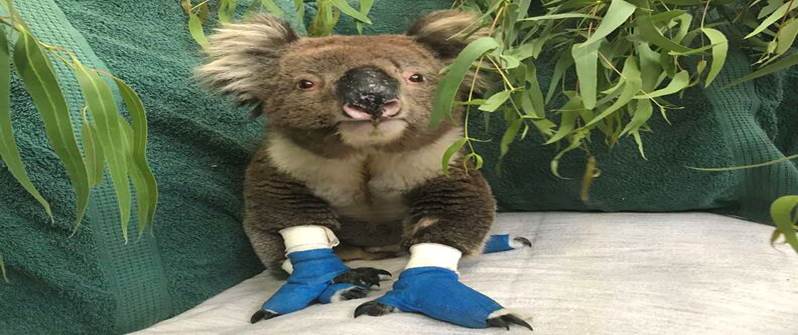
In the midst of the devastating Australian bushfires, countless animals were displaced, injured, or killed. Among them was Billy, a large koala found clinging desperately to a tree in a backyard in Adelaide Hills, Australia. The fires had destroyed the surrounding area, leaving ash and scorched earth as far as the eye could see. Billy’s tiny body was covered in soot, and he had suffered severe burns on all four of his paws. The sight was heartbreaking — a wild animal, vulnerable and alone, in urgent need of care. When rescuers arrived to save him, Billy let out a loud, pitiful cry. Yet, the moment he was gently lifted and placed into a carrier, something remarkable happened: he seemed to sense that he was finally safe. He settled down, snuggling into the confines of the carrier as if instinctively trusting the humans who had come to help. For Billy, this marked the beginning of a long road to recovery — and the start of an extraordinary bond with his new caregivers. A Makeshift Home for Healing Billy was taken in by Lucy and Adam Francis, experienced koala carers who work with 1300Koalaz, an organization dedicated to rescuing and rehabilitating injured and displaced koalas. The couple has been deeply involved in wildlife rescue for years, but the recent wildfires had made their work particularly challenging. They had already seen firsthand the devastating toll on animals, and Billy’s arrival underscored the urgency of their mission. Due to the severity of his burns, Billy could not use the typical koala enclosures. His bandaged paws prevented him from climbing or moving comfortably, and standard habitats were unsuitable. Lucy and Adam quickly improvised, creating a makeshift enclosure in their kitchen. A camping mattress provided a soft place to sit, while a pillow was placed behind him to help him lean back comfortably, compensating for the awkward position his injuries forced him into. “He was clearly in shock, frightened and covered in soot and ash from the fire,” Lucy Francis recalled. “We wanted to be close to him always, so he would feel safe and supported as he healed.” Even in this temporary setup, it was evident how resilient Billy was. Despite the trauma he had endured, he remained remarkably gentle and calm. Trusting His New Friends Billy’s temperament was extraordinary. Though he had endured severe pain and disorientation, he displayed a remarkable trust toward his caregivers. Lucy Francis recalled a particularly telling moment: “When Billy first came to us and might have bitten my husband’s hand had he been a different-tempered koala, he sniffed it and licked it gently instead. It was like he was saying, ‘I know you’re here to help.’” The Francis family dedicated themselves to gaining Billy’s trust and making his recovery as comfortable as possible. They spoke quietly, gently stroked his fur, and handled him with care during every medical procedure. Even when applying creams to his burns or administering vitamins — tasks that many animals find stressful — Billy remained cooperative, almost as if he understood that these treatments were necessary for his healing. “His personality is so gentle and calm, even when we have to rub cream into his blisters and burns, or administer his vitamin mixture — which we’re really sure he hates — it’s like giving a very furry, reluctant child their medicine,” Francis said. “He even holds our hands with his back paws when we apply cream to his coccyx burn.” This trust was a testament not only to Billy’s gentle nature but also to the compassionate care he was receiving. The bond between Billy and his caregivers grew stronger each day, and his willingness to accept help made it clear that he understood he was safe. The Long Road to Recovery Initially, Billy was so weak that he could barely feed himself. His burns had left him in significant pain, and his energy levels were extremely low. Lucy and Adam carefully supplemented his diet with additional food and vitamins to ensure he had the strength to begin healing. They monitored him constantly, adjusting his care as he gradually regained mobility and appetite. “As the days went by, Billy started to get stronger and happier,” Lucy Francis said. “Even though he had been through so much, he was showing signs of his old self — curious, gentle, and calm.” Billy’s recovery was steady but required patience. Every improvement, from lifting his head higher to taking more confident steps, was celebrated by his caregivers. They also made adjustments to his temporary enclosure as he gained strength, allowing him to practice moving in a controlled environment. Despite the severity of his injuries, Billy never lost his trust in humans — a fact that Lucy and Adam found both remarkable and heartwarming. Looking Toward the Future Although Billy is making incredible progress, he is not yet ready to return to the wild. His paws need time to fully heal, and he must regain the strength to climb trees and navigate his natural habitat. Yet even in this interim period, he is thriving in a safe and loving environment, experiencing comfort and care that he had been denied in the aftermath of the fires. “We can’t wait to see him fully recover and release him in a big, beautiful gum tree one day,” Lucy Francis said. “Although he will leave a very big Billy-shaped hole in our home and in our hearts.” Billy’s story highlights both the fragility and resilience of wildlife affected by natural disasters. His gentle nature, remarkable trust, and the devoted care he receives serve as a testament to the importance of rescue efforts and rehabilitation for injured animals. For now, Billy enjoys the warmth, safety, and companionship provided by his caregivers, who have become his family. In the months to come, when Billy is ready to rejoin the wild, he will carry the strength built through love and care — a living example of hope and recovery. Until then, he can simply relax, heal, and

Billy the Koala: A Survivor of the Fires Read More »

The Dog Who Vanished: Daisy’s Eight-Year Separation

In November of 2017, Daisy, a lively and affectionate family dog, was playing in her yard as she had done countless times before. Her family trusted that their yard was a safe space where Daisy could run, chase toys, and enjoy the sunshine. But that day, something unimaginable happened. A car of strangers pulled up to the property, took Daisy, and drove away. The family was devastated, unable to comprehend how their beloved dog could simply vanish in an instant. The story quickly made local news, and community members joined in the search, but days turned into weeks and then months with no trace of Daisy. Her family, particularly her mom, Rita Potter, refused to give up hope. They pinned flyers, contacted animal shelters, and even shared appeals on social media platforms, trying to reach anyone who might have seen their missing dog. “Not knowing if she was safe or if she was loved was awful for us, and we did everything we could to find her, including big appeals on social media, which went across the world,” Rita said. “We kept a photograph on the mantlepiece and would look at it every day thinking of her and where she might be.” Despite their tireless efforts, the years passed, and Daisy’s family began to face the painful reality that they might never see her again. As Daisy would have been a senior dog by now, the thought that she might have already passed weighed heavily on their hearts. Still, they clung to hope, refusing to let go of the belief that, somehow, she would come back to them. A Routine Call Turns Into a Miracle Eight years later, in what seemed like a routine day, the RSPCA made a life-changing discovery. Daisy was found by Inspector Kim Walters during a routine investigation. At first, she was just another dog needing rescue. Her current caretaker, who had only had Daisy for a couple of years, admitted that he couldn’t afford the necessary medical care and willingly surrendered her to the RSPCA. The rescuers scanned her microchip and were shocked by what they discovered. Daisy’s true identity was revealed, and immediately, her long-lost family was contacted. The moment was surreal — after eight long years of heartache, hope, and longing, Daisy’s family could finally learn that she was alive. “I contacted them and they were obviously shocked — but elated at the same time,” Walters recalled. “They told me about all the efforts that they had gone to great lengths to try and find her and how devastated they were when she was taken from them. I was a bit choked [up] from listening to them and clearly how much they loved her, so it was great telling them that we could get her back home soon once we had made sure she was fit enough to travel.” For Daisy’s family, it was the answer to years of unanswered questions, sleepless nights, and tears shed in her absence. The news rekindled a surge of emotion, as memories of Daisy’s playful antics and affectionate personality came flooding back. A Life of Hardship Before Rescue When Daisy was found, it was clear that she had endured a difficult life after being taken from her family. The RSPCA discovered that she had been used for backyard breeding, living in conditions that were far from ideal. Years of neglect had left her dirty, unkempt, and in need of medical attention. The transformation from a cherished family dog to a dog surviving harsh circumstances was heartbreaking. Once in the care of the RSPCA, Daisy underwent thorough cleaning, grooming, and medical examinations. The rescuers made sure she was healthy enough for the journey home and cleared her for travel. Despite everything she had endured, Daisy’s spirit remained intact — she retained the warmth, affection, and loyalty that had endeared her to her family years before. The rescuers knew that reuniting Daisy with her family would be a moment of profound emotion, not only for the family but for Daisy herself. They carefully planned the four-hour journey home to ensure she would be safe, comfortable, and ready for the reunion she had waited eight years to experience. The Long-Awaited Reunion When Daisy finally returned home, the moment was nothing short of magical. Her family was waiting eagerly, their hearts pounding with anticipation. As Daisy hopped out of the car, her tail wagged uncontrollably, and her nose twitched as she took in the familiar scents of home. It was as though time had folded back on itself — she remembered her family and instinctively knew she was where she belonged. Her family surrounded her immediately, showering her with the love and attention she had missed for nearly a decade. Daisy melted into her mom’s embrace, the bond between them stronger than ever. The reunion was a mixture of laughter, tears, and uncontainable joy, a culmination of eight years of hope, perseverance, and unconditional love. “It was incredible to see her remember us,” Rita Potter said. “After all this time, she still knew her way home. That connection, that memory, it was still alive in her. It was a miracle.” Daisy’s siblings and extended family also celebrated her return, creating a scene filled with happy barks, joyful cries, and sheer relief. For Daisy, the reunion was a reaffirmation of belonging, safety, and love — a return to the home she never truly stopped calling her own. Life After Eight Years Apart Now back in the care of her original family, Daisy is living out her golden years with comfort, love, and security. At 13 years old, she enjoys a slower pace of life, filled with cozy naps, gentle walks, and daily interactions with the humans who adore her. The trauma of the years she spent away fades in the warmth of her home, replaced with the knowledge that she is cherished and safe. Her story is a testament to the power of hope, persistence, and the unbreakable bond between humans

The Dog Who Vanished: Daisy’s Eight-Year Separation Read More »

Pit Bull Becomes Guide Dog for Her Blind Chicken Sister

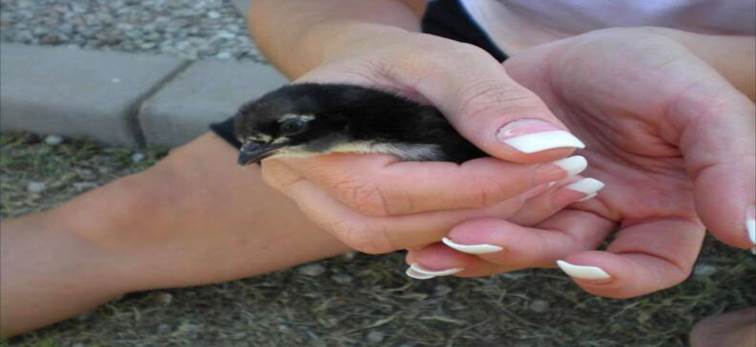
How love, friendship, and devotion create an unbreakable bond Early Challenges: Peri’s Blindness When Peri hatched, she was just a tiny, fragile chick in a family who already loved animals deeply. Her early days were full of exploration, gentle handling, and curiosity about the world around her. She was playful, inquisitive, and eager to interact with her human family. Everything seemed perfect—until one day, when Peri was only six months old, a severe eye infection changed her life forever. Despite daily medications and multiple visits to veterinary specialists, the infection persisted, and the family received heartbreaking news: Peri’s blindness was inevitable. For a small animal that relied so heavily on sight to navigate her surroundings, this was devastating. Her family, however, refused to let her life be limited by her disability. Instead, they embarked on a mission to ensure that Peri could live a full, happy, and fulfilling life despite losing her vision. Christa Hubbard, Peri’s devoted owner, described the early adjustments they made: “We had to rethink everything about her environment. Bowls were placed on noisy rugs so she could find them, roosting bars were lowered for easier access, and we set up ottomans in the living room and bedroom so she could safely rest with us. We even brought in a chicken ‘nanny’ to ensure she could manage when we weren’t home.” Taj: The First Seeing-Eye Dog Peri, who had always been a social and affectionate bird, adapted remarkably well, but her family noticed that she craved even more support than before. That support arrived in the form of her pit bull brother, Taj. The bond between Peri and Taj began the moment he noticed something was different about her behavior. At just three years old, Taj instinctively became her guardian. “He was like a seeing-eye dog for a hen,” Christa explained. “He guided her, protected her, and kept a constant watch over her. They would nap together, sunbathe together, and Taj made sure she was never in danger. Their connection was extraordinary.” Over the next eight years, Taj’s dedication never wavered. He became more than a companion; he was Peri’s protector, guide, and closest friend. Their relationship was a perfect example of interspecies friendship, where mutual love and understanding transcended the differences between a chicken and a dog. A Heartbreaking Loss and New Beginnings When Taj passed away in July 2018 after battling cancer, the loss left a huge void in Peri’s life. She was visibly distraught and seemed uncertain about how to navigate the world without her loyal guide by her side. Christa and her family were heartbroken too, worried about how Peri would cope with her grief and the absence of her trusted companion. In response, the family decided to adopt two pit bull puppies to provide both companionship and comfort for Peri. From the moment the new puppies arrived, Peri’s spirits lifted. She was curious and cautious at first, but one of the puppies, Gracie, immediately connected with her. Gracie, sensing Peri’s vulnerability, began to take on a role similar to Taj’s. She became Peri’s protector, guide, and constant companion. Gracie: The New Guide and Playmate What was truly remarkable, however, was how Gracie instinctively knew Peri’s needs as a blind chicken. She began bringing Peri her favorite toys, an act that went far beyond simple play. Gracie seemed to understand that Peri relied on these toys for comfort and reassurance, especially when exploring her surroundings. Every day, Gracie made it her mission to ensure that Peri never felt alone or lost. “Gracie will bring Peri a toy, place it in front of her, and wait for her to respond,” Christa said. “Whether Peri is outside in her fenced area, on her ottoman watching TV, or just walking around the house, Gracie is always there to help her navigate life. First thing in the morning, she even checks on Peri to make sure she’s okay.” The bond between Peri and Gracie quickly became unbreakable. Gracie’s devotion reminded the family of Taj, and they could see how much happier and more confident Peri was with her new companion. Together, the two animals explored, played, and rested side by side, forming a routine that was both comforting and heartwarming. A Friendship That Transcends Species Outside, in their fenced yard, the pair could often be found sunbathing together. Gracie would always stay close, ready to guide Peri if she wandered too near the edges of the fence or got distracted by a sound or movement. Inside the house, Gracie continued her careful attentiveness. When Peri perched on her ottoman to “watch” television, Gracie would bring her favorite toy and sit patiently nearby, keeping an eye on her sister and ensuring she felt safe. Their relationship went beyond practical guidance—it was filled with emotional support and affection. Gracie had taken on the role of both caretaker and friend, providing Peri with the reassurance she needed to thrive despite her blindness. Peri, in return, responded with love, trust, and playful energy. She would peck at her toys, cluck in excitement, and nuzzle Gracie, creating a cycle of companionship that strengthened their bond every day. Christa observed these moments with a sense of wonder. “Watching them interact is like witnessing a lifelong friendship form right in front of you. Gracie has picked up exactly where Taj left off, continuing the tradition of loyalty and love. It’s astonishing how animals can understand each other, even across species, and create bonds that are incredibly deep and meaningful.” The story of Peri and Gracie is more than just a tale of interspecies companionship; it is a testament to the power of love, patience, and understanding. It shows that with the right support and devotion, even animals facing significant challenges, like blindness, can lead happy, enriched lives. It also demonstrates that friendship is not limited by species, size, or differences—it is about connection, trust, and shared experiences.

Pit Bull Becomes Guide Dog for Her Blind Chicken Sister Read More »

Vacation Turned Rescue Mission: Teen Saves Starving Puppy in Jamaica

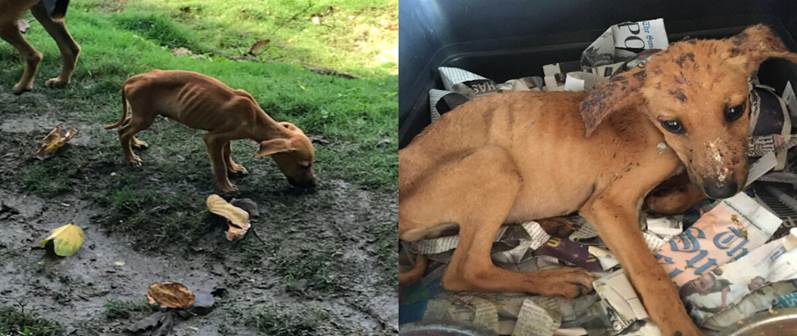
“All I could think of was, ‘How am I going to get him out of here?’” Seventeen-year-old Elliot Sherin never expected her cruise to Jamaica last December to become a life-changing adventure — for her and for a tiny stray puppy. What began as a family horseback ride along the beach quickly turned into a mission of compassion. Spotting Kingston Among the Strays As Elliot and her dad arrived at the ranch, her eyes immediately caught sight of a pack of homeless dogs roaming the property. Most of them approached without fear, looking for scraps of food. But one little pup trailed far behind — a tiny, starving puppy, no more than three months old, with wobbly, inward-turned legs and a coat matted with grime. Elliot instantly knew he needed help. She named him Kingston. “The other dogs walked right up to us looking for food,” Elliot recalled. “But he was very scared. He wouldn’t let us get near him. All I could think of was, ‘How am I going to get him out of here?’” Determined to save him, she left food for Kingston and hurried back to the cruise ship to research rescue options. That’s when she discovered Animal House Jamaica, a local organization dedicated to helping stray and abandoned dogs. She immediately reached out, hoping they could assist. Turning Determination Into Action The rescue explained that Kingston could be saved — if Elliot could somehow get him to their shelter. They would provide veterinary care and prepare him for travel to her home in Seattle, Washington, but Elliot had to cover his expenses and arrange his safe capture. Elliot’s parents were hesitant at first, but after discussing the plan, they agreed to support her efforts if she could manage the fundraising herself. Elliot immediately launched an online campaign, sharing Kingston’s story and asking friends and family for help. With just a few days left on her trip, Elliot approached the ranch employees persistently. Initially, they were skeptical, dismissing Kingston as “just another stray puppy.” But Elliot’s persistence paid off. After three weeks of follow-ups, she finally received the call: Kingston had been safely captured and placed in the rescue shelter. “He was malnourished, covered in cuts and scrapes, and had heartworms,” Elliot said. “The rescue kept him until he was strong enough to travel.” Kingston’s Journey Home With over $900 raised through her fundraiser, Elliot booked Kingston’s flight home. The moment she arrived at the airport in mid-February to pick him up was unforgettable. “They lifted the garage door, and I saw him sitting in his crate … and I just cried. He was finally home, and he was so beautiful.” Back at home, Kingston quickly adjusted. Despite his difficult early life, he showed no fear. Within ten minutes of exploring, he curled up in Elliot’s lap, craving the love and security he had been missing for so long. A vet visit confirmed that Kingston’s bowed legs were due to a calcium deficiency caused by malnutrition in his first months — a condition expected to improve naturally, though braces might be needed if necessary. A New Life Filled With Love Today, Kingston is around eight months old and thriving. He’s affectionate, playful, and fully integrated into his new home alongside his big brother, Bentley, a six-year-old Labrador. Gone are the days of scrounging for food or dodging tourists; Kingston now enjoys dog parks, cozy beds, and plenty of treats. Elliot’s parents, once unsure about the rescue plan, have completely fallen in love with him. “They adore him,” Elliot said. “My dad naps with him on the couch, and my mom tucks him into bed with his little blanket every night.” A Rescue That Changed Lives For Elliot, bringing Kingston home is one of her proudest achievements. “Before Kingston, I had never seen a country with so many feral dogs. I had never seen a dog so malnourished he could barely stand. He opened my eyes to so many things. I’m grateful. And he is too.” Kingston’s story is a testament to how determination, compassion, and a little persistence can give a second chance to a life in need. From a frightened, starving pup in Jamaica to a loved and cherished family member in Seattle, Kingston’s journey is nothing short of extraordinary.

Vacation Turned Rescue Mission: Teen Saves Starving Puppy in Jamaica Read More »

Stray Dog Stares Through Neighbor’s Front Gate And Begs For A Home

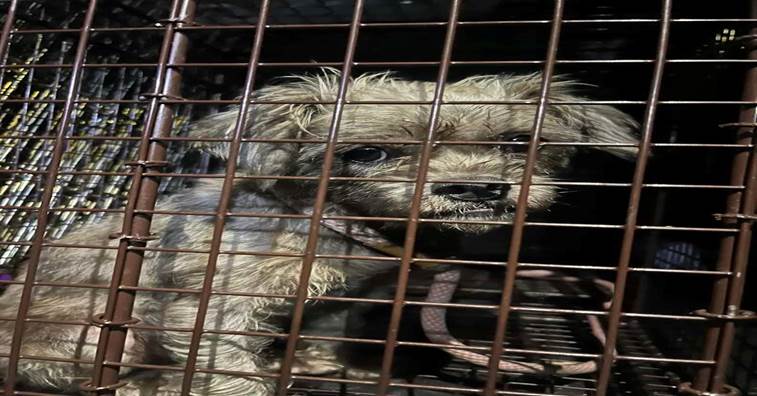
“This girl’s month of homelessness was over, and she knew it” For weeks, residents in one Los Angeles neighborhood noticed a small black-and-brown dog wandering the streets. Unlike other strays who dug through trash cans or roamed in packs, this pup had a different strategy for survival. Every day, she walked door-to-door, peering through front gates and quietly waiting, as if hoping one of the families inside would invite her to stay. If someone left out scraps of food, she gratefully accepted. If not, she moved on, her sad eyes betraying her desperation. The pup was not aggressive or loud. She didn’t bark or beg noisily. She simply stood at the gates, staring in with silent hope. Animal rescuer Suzette Hall, founder of Logan’s Legacy 29, had seen many heartbreaking cases, but when she received a message about this particular dog, something inside her shifted. The image of the lonely pup — later named Makena — staring through a metal gate was almost too much to bear. “For over a month, she would beg at homes for food, looking into gates,” Hall later wrote on Facebook. “It broke my heart.” A Rescue Mission Full Of Obstacles Hall called her longtime volunteer partner, Mary Nakiso, and together they drove to the neighborhood where Makena had last been spotted. When they finally saw her, she looked exactly like the photo — small, tired, but still hopeful. They set up a humane trap and waited. Hours passed as they tried to coax her with food. At one point, Makena cautiously approached, almost stepping inside. But just as the rescuers held their breath, something unexpected happened. A disgruntled neighbor, apparently annoyed by the commotion, kicked the trap. The loud noise sent Makena bolting into the night in sheer panic. “We were there for five hours,” Hall recalled. “She was almost in my trap when a mean neighbor came and kicked it so hard she ran in panic.” Defeated, Hall and Nakiso packed up, hearts heavy with worry. They knew the streets were dangerous, and every extra day outside put Makena at risk. But they also knew they couldn’t give up. The Neighbor Who Changed Everything The next morning brought new hope. Makena had reappeared at the home of Janet, a kind-hearted neighbor who had been quietly leaving food and water out for her. Unlike others, Janet welcomed the pup’s visits. Over time, Makena began to follow Janet and even her dog around the neighborhood, showing signs of trust. “Janet was leaving her a bowl and water, and she started to really count on that,” Hall explained. “Then Janet called me and said, ‘She is literally following me and my dog everywhere.’” To Hall, this was the breakthrough she’d been waiting for. “I thought, ‘This is our chance,’” she wrote. That evening, Hall rushed back. With Janet’s help, they gently guided Makena into a neighbor’s fenced yard. A trap had been set, but to everyone’s surprise, they didn’t need it. Makena hesitated only briefly before allowing a kind man nearby to scoop her into his arms. For Hall, the moment was overwhelming. “I literally cried tears of joy the whole way back,” she said. From Gate Watcher To Beloved Companion On the ride to safety, Makena was placed in a crate in Hall’s car to decompress. But when Hall noticed how tightly the pup curled into the blankets, she couldn’t resist moving her to the front seat. “And she cuddled tightly into the blankets on my seat,” Hall wrote. “I looked over, and I saw her nose peeking out from under the blanket. This girl’s month of homelessness was over, and she knew it.” At Camino Pet Hospital, Makena received a full medical checkup. To everyone’s relief, she was overall healthy. Aside from exhaustion and the toll of weeks on the street, she had no major injuries or illnesses. After a warm bath, Makena looked like a completely different dog — refreshed, relaxed, and finally safe. From there, she was placed into a foster home, where her transformation truly began. Surrounded by love and care, she quickly adjusted to indoor life. For the first time in weeks, she slept soundly, her little body stretched out in comfort instead of curled up on cold concrete. Waiting For Her Forever Family Makena’s story touched countless hearts online, especially after Hall shared updates on Facebook. People were moved by the image of a dog so desperate for love that she spent her days peering through gates, silently asking for help. Her foster family describes her as gentle, affectionate, and incredibly grateful. After surviving on hope alone, she now thrives on cuddles, meals she doesn’t have to beg for, and the comfort of knowing she is wanted. “Makena is such a love,” Hall told The Dodo. “Now she can finally sleep and close both eyes after being homeless for so long.” Though Makena is still waiting for her forever home, her days of wandering the streets are long behind her. Whoever adopts her will not only gain a loyal companion but also inherit a dog with a story of resilience and quiet strength. For Hall, Nakiso, and Janet, the rescue was a reminder that compassion can change everything. And for Makena, it was proof that her month of heartbreak ended exactly as she had hoped — with a family that would finally let her in.

Stray Dog Stares Through Neighbor’s Front Gate And Begs For A Home Read More »

Nobody Can Figure Out How This Deer Fits Behind A Tree

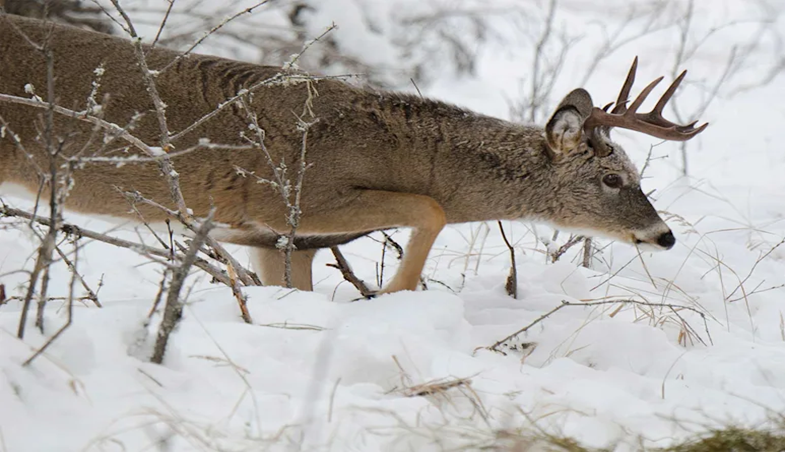
In Huntington, Indiana, Jenny McMillan has grown used to seeing white-tailed deer pass through her backyard. Especially during the winter months, when food is scarce and snow blankets the ground, the graceful animals wander in search of anything edible. Their quiet visits have become part of the seasonal rhythm around her home. One chilly afternoon, Jenny sat by her family room window watching the familiar scene. A group of deer had gathered as usual, carefully pawing at the snow. But then something odd caught her eye. One of the larger deer stepped toward a narrow tree — and then seemed to disappear. From where Jenny sat, she could only see the deer’s head sticking out from behind the tree trunk. The animal’s body, which should have stretched far beyond the slim tree, was nowhere to be seen. Puzzled and amused, Jenny quickly reached for her phone. She snapped a photo, wanting to capture the strange moment before the deer shifted away. The Disappearing Deer When Jenny looked at the picture, the illusion was even stronger. The deer’s head poked out clearly, but the rest of her body had seemingly melted away into the tree. It looked as if the animal had been swallowed up by the trunk, leaving onlookers scratching their heads. “I have no idea how to make a body go missing in a photo,” Jenny later explained. “I’m an old lady. It was just taken at the right moment.” There was no trick photography, no clever editing — just a well-timed snapshot that managed to puzzle hundreds of people. What Jenny had captured was a perfect example of how perspective and timing can play tricks on the human eye. Still, that didn’t stop people from coming up with wild and funny theories about what could possibly explain the disappearing deer. The Internet Tries To Solve The Mystery When Jenny posted the photo to Facebook, she thought it would give her friends and neighbors a good laugh. What she didn’t anticipate was the flood of reactions and the mini-detective game that followed. People began sharing the image widely, each person adding their own take on how the deer had pulled off such an impossible illusion. Some insisted the deer must be balancing on her front legs, like a circus performer mid-trick. Others joked that maybe this deer was born with an unusually short body, making it easier to hide behind even the thinnest tree. Memes, doodles, and guesses poured in, each more playful than the last. Yet even with all the creative speculation, no one could land on a definitive explanation. The mystery of the disappearing deer seemed unsolvable — which only made the photo all the more entertaining. Why Optical Illusions Capture Us Part of the fascination with Jenny’s photo lies in how much it messes with our sense of reality. The human brain is wired to look for patterns and make sense of visual information. When something doesn’t add up — like a deer that seems too large to hide behind a spindly tree — it forces us to stop and question what we’re seeing. Optical illusions like this aren’t new. Photographers, both professional and amateur, often stumble upon “trick shots” where perspective lines up in surprising ways. Sometimes, one object perfectly blocks another. Other times, shadows, lighting, and angles combine to make familiar shapes look entirely different. Jenny’s deer photo fits neatly into this tradition. It’s a reminder that nature itself often creates the best illusions, no editing required. A Snapshot That Sparked Joy For Jenny, the entire experience was a delightful surprise. What began as an ordinary afternoon watching deer turned into a viral moment that spread far beyond her backyard. “I just thought it was funny,” she admitted. But soon she realized her snapshot was bringing laughter and curiosity to thousands of people online. At a time when social media can often feel heavy or overwhelming, a simple photo of a deer playing hide-and-seek behind a tree reminded everyone of the joy in little things. Whether the deer was perfectly aligned with the tree, whether its body was hidden by a trick of the light, or whether it was just a lucky angle, the truth hardly matters anymore. What matters is the smile the photo continues to bring to anyone who sees it. A Mystery That Might Never Be Solved The deer eventually moved on, leaving Jenny’s yard and taking its optical trick with it. No one knows exactly how the illusion came together in that fleeting instant, and maybe that’s the best part. Like so many mysteries in nature, the magic is in not fully knowing. Each time someone looks at the photo, they’re pulled into the puzzle again — tilting their head, zooming in, and laughing at how impossible it seems. As Jenny put it: “It was just taken at the right moment.” And sometimes, the right moment is all it takes to turn an ordinary snapshot into something unforgettable.

Nobody Can Figure Out How This Deer Fits Behind A Tree Read More »

Woman Snaps Picture Of Little Animal — Then Realizes He’s Completely Disappeared

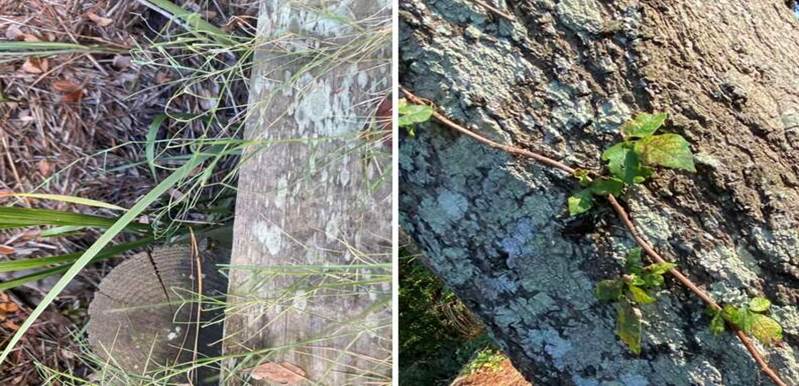
A Family Day Out In Nature On a bright day at Folly River Park in South Carolina, families strolled along the leafy pathways, enjoying the calm of nature and the thrill of spotting wildlife in unexpected corners. Among them was Nikki, a mother exploring the park with her children. Nature walks had always been a bonding activity for her family, a chance to escape busy routines and lose themselves in the small wonders that the outdoors provides. As Nikki guided her kids through the trails, pointing out plants and listening to bird calls, something caught her eye. A tiny creature scuttled quickly across the ground. At first glance, it seemed like a small, grayish blur against the earthy background of pine needles and leaves. Eager to preserve the little discovery, Nikki pulled out her phone and snapped a quick photo, thinking it would be a fun addition to her family’s vacation album. But what seemed like a simple snapshot soon turned into an amusing puzzle — even for her. The Vanishing Act Later, when Nikki reviewed the picture, she expected to see the little animal clearly. Instead, she found herself staring at what looked like an ordinary patch of ground. She zoomed in, tilted her phone, squinted, and then finally spotted him: a tiny gray crab, perfectly camouflaged among leaves, bark, and forest debris. What had seemed so obvious in real life had practically disappeared in the photograph. The crab’s natural colors and textures blended into the earthy tones of the forest floor, making him almost invisible. “It was one of those moments where you second-guess yourself,” Nikki said with a laugh. “I knew I had seen him, but when I looked at the picture, it felt like he had just vanished.” Amused, she decided this wasn’t just a family memento — it was a game. She shared the photo with friends and later posted it online for others to try and solve. A Community That Loves The Challenge Nikki uploaded the photo to the popular Crap Wildlife Photography Facebook group, a lighthearted community where members post funny, blurry, or unexpected animal shots. For many, the challenge of spotting hidden creatures is part of the fun. “The Crap Wildlife Photography group as a whole enjoys these kinds of search-and-find challenge pictures,” Nikki explained. “It’s a fun, often silly and always wholesome community activity, which can be hard to find on social media!” Sure enough, members of the group quickly got to work, zooming in and commenting on how cleverly the little crab had disappeared into the scenery. Some admitted it took them several tries to finally spot him, while others enjoyed watching friends and family puzzle over the photo as if it were a game of “Where’s Waldo?” Encouraged by the response, Nikki shared a few more photos she had taken of other camouflaged crabs, giving the community even more “hidden animal” challenges to enjoy. Why Small Moments Matter For Nikki, this experience was more than just an amusing online post. It was a reminder of why she values time outdoors with her children. Her phone gallery, she explained, is filled with snapshots of nature: insects clinging to blades of grass, spiders building intricate webs, salamanders peeking out from under rocks, hawks soaring above the treetops, and ducks gliding across ponds. Each picture tells a story of curiosity and wonder — a record of small discoveries that often become the most cherished memories. “Exploring nature has always been a great bonding activity for us,” Nikki said. “We like to look for interesting insects [and] spiders, birds and animals. My phone is filled with pictures of my kids in nature, along with the spiders and salamanders, hawks [and] ducks.” Her children have grown to love these adventures too. Instead of spending their days behind screens, they’ve learned to look closely, ask questions, and appreciate how clever and surprising nature can be. The camouflaged crab was just another lesson in how the natural world has its own tricks and secrets — and how rewarding it can be to pause and notice them. Though the crab itself has long since scuttled away, his moment in the spotlight continues to entertain. People online are still zooming in and challenging each other to spot him in Nikki’s photo. The little creature, completely unaware of his fame, has become a source of smiles for strangers all over the world. For Nikki and her family, it’s a memory they’ll keep forever — one that reminds them of laughter, curiosity, and the joy of being outside together. “It was a fun memory for us,” Nikki reflected. “Hopefully, it makes others smile too.” And in the end, that’s exactly what it did. One tiny crab, hidden in plain sight, managed to bring a little more lighthearted joy into the lives of countless people. Sometimes the most ordinary encounters — the ones you could almost overlook — turn into the stories that mean the most.

Woman Snaps Picture Of Little Animal — Then Realizes He’s Completely Disappeared Read More »