Lucas Anderson

A Rainy Day Encounter With a Devoted Opossum Mom

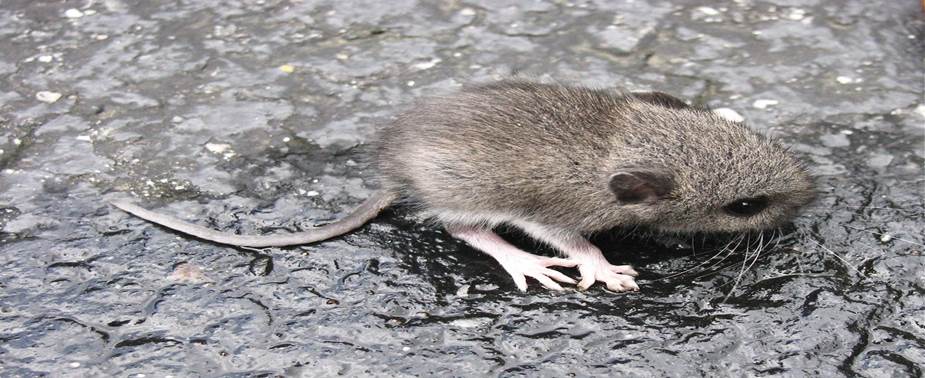
On a gray, rainy afternoon in Pennsylvania, Kim Fisher was driving along a familiar stretch of road when something unusual caught her eye. Ahead of her, right in the middle of the slick pavement, a plump opossum was making her way across. Fisher instinctively slowed her car to avoid disturbing the small traveler. At first, it seemed like a simple wildlife sighting — but within seconds, the scene transformed into something unforgettable. As the opossum carefully shuffled forward, Fisher noticed movement on her underside. A tiny baby suddenly slipped out of the mother’s pouch and onto the road. In that tender moment, Fisher realized she was witnessing the unshakable bond between a mother and her young. Pulling out her phone, she began to record the encounter, her voice breaking into laughter and awe as she exclaimed: “Literally adorable.” A Mother’s Determination Opossums are North America’s only marsupials, and their maternal care is one of nature’s most fascinating displays. Much like kangaroos, female opossums carry their babies in a pouch during the first weeks of life. Inside this safe haven, newborns — no larger than a honeybee at birth — grow, nurse, and develop until they are strong enough to face the outside world. The baby Fisher saw tumble out was still at the age where constant transport is essential. Fortunately, after a brief pause, the little one climbed back into the pouch where warmth and safety awaited. The mother never faltered in her calm crossing, demonstrating a quiet resilience that marsupial mothers have perfected over millennia. But the maternal duties of an opossum don’t stop when the pouch phase ends. Once her young reach about 6 weeks old, she transitions to carrying them on her back. Sometimes, an opossum mom can be seen with a half-dozen babies clinging to her fur, resembling a moving bundle of life and love. She continues this demanding routine until her babies are around 3 months old and ready to venture independently into the wild. The Symbol of Unseen Care Though often misunderstood and unfairly labeled as pests, opossums are remarkable creatures. They play a crucial role in ecosystems, helping to control insect and tick populations, and they rarely carry diseases like rabies due to their unique physiology. Yet, it is their maternal devotion that often leaves the strongest impression on those lucky enough to observe it. For Fisher, this roadside moment became a gentle reminder of the devotion found in the natural world, even on the rainiest days. Watching the opossum mom pause to adjust and safeguard her baby was a glimpse into a hidden world of quiet sacrifices that happen every day — unnoticed by most. The animal kingdom is filled with such stories of resilience, and opossum mothers embody that spirit perfectly. Their tireless efforts ensure their babies survive long enough to continue the cycle of life, even in challenging and dangerous environments like busy roadways. A Heartwarming Reminder on a Rainy Day As Fisher later reflected on her video, it was clear the encounter had touched her deeply. What began as a simple drive home became an uplifting reminder of the strength and tenderness that motherhood represents across species. In just a few seconds, she witnessed not only an animal’s instinct but also an undeniable expression of love. Her words, “Literally adorable,” perfectly captured the essence of the scene. In a world often filled with stress and distraction, moments like these remind us to pause and appreciate the small wonders of nature. The opossum mom’s determination to protect her baby was a symbol of perseverance, devotion, and the quiet beauty that thrives even in the most unexpected places. From pouch to back, through rain and road, an opossum mother carries on — a testament to the extraordinary power of maternal care in the wild.

A Rainy Day Encounter With a Devoted Opossum Mom Read More »
The Return of the River Otter: A Long-Awaited Sight in San Antonio

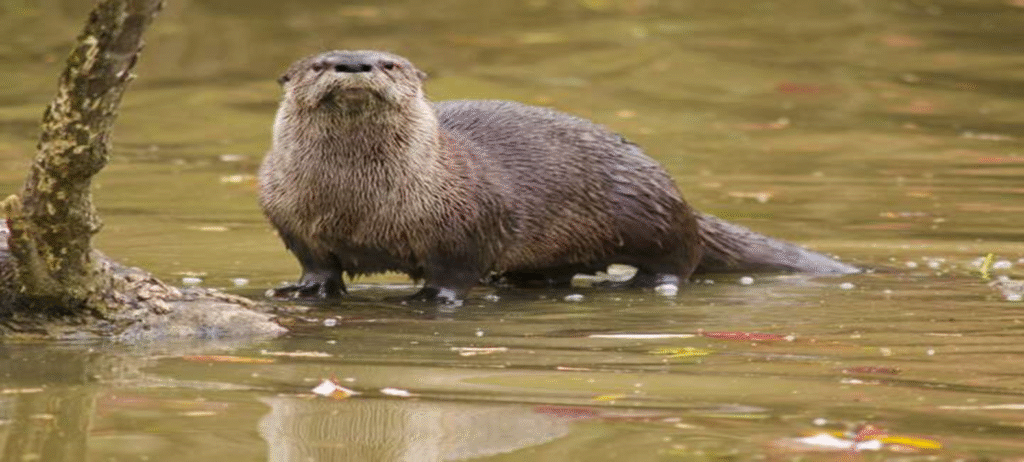
On an ordinary day in May 2025, the San Antonio River Authority’s watershed ecology team reviewed footage from one of their trail cameras. At first, it seemed like routine monitoring — rocks, leaves, and the gentle flow of water. But then, the unexpected happened. A sleek, brown animal padded across the frame with the effortless grace of a creature perfectly at home in both land and water. The moment was brief, but its impact was monumental. The team froze, eyes widening, before bursting into disbelief and excitement. “Once they were able to pick their jaws up off the ground, they started spreading the word internally pretty quickly,” recalled Shaun Donovan, environmental sciences manager at the River Authority. That mysterious visitor was none other than a North American river otter — a species thought to be long gone from this part of Texas. For the first time in years, their cameras had captured proof of its presence in the upper San Antonio watershed. The Vanishing of a Beloved Species River otters (Lontra canadensis) once flourished throughout Texas waterways. Known for their playful antics, boundless energy, and agile swimming, they were a familiar sight to those living near rivers, streams, and wetlands. However, their story took a darker turn over the past century. Widespread habitat loss — fueled by urban expansion, pollution, and river modifications — devastated their populations. The construction of dams and levees altered natural water flows, while pollutants from industry and agriculture poisoned aquatic life. Worse still, historical trapping for their dense, luxurious fur reduced numbers further. By the late 20th century, otter sightings in San Antonio had become almost mythical. Generations grew up without ever seeing one, and many assumed the species had vanished from the region entirely. The ecosystem, once balanced by their presence, was left without a crucial predator to regulate fish and amphibian populations. Why River Otters Matter While their playful charm makes them a public favorite, otters play a serious and irreplaceable role in their ecosystem. The National Wildlife Federation notes that North American river otters are smaller than their sea otter relatives, but no less captivating. With their long whiskers, waterproof fur, and mischievous behavior, they embody resilience and adaptability — provided their habitats remain intact. The Path to Restoration The San Antonio River Authority did not stumble into this discovery by chance. For years, its teams have worked tirelessly to heal and restore the river’s ecosystems. Through habitat restoration projects, reintroduction of native species, pollution reduction efforts, and community education, they have been steadily building a healthier river environment. These efforts included: The otter’s reappearance is more than a happy accident; it is a living testament to years of commitment. As the River Authority posted on social media, “This sighting is proof that efforts to protect and restore our waterways are having tangible impacts!” A Future Filled With Hope For the team, this discovery is not an endpoint but a beginning. Plans are already underway for further restoration, with the hope that more otters will follow. The long-term vision is to transform occasional rare sightings into a common and celebrated occurrence. Donovan expressed this dream simply: “We really hope that this is the first of many sightings.” The implications go beyond otters. If these sensitive creatures can return, other native species may follow, from fish and amphibians to birds and aquatic insects. Each comeback strengthens the river’s ecological fabric, weaving together a more resilient and diverse environment. For residents of San Antonio, the possibility of spotting an otter on a weekend walk is more than just exciting — it is a reminder that urban spaces and wild nature do not have to be separate. With enough care, both can coexist.

The Return of the River Otter: A Long-Awaited Sight in San Antonio Read More »

the Hidden Lives of Tree Kangaroos

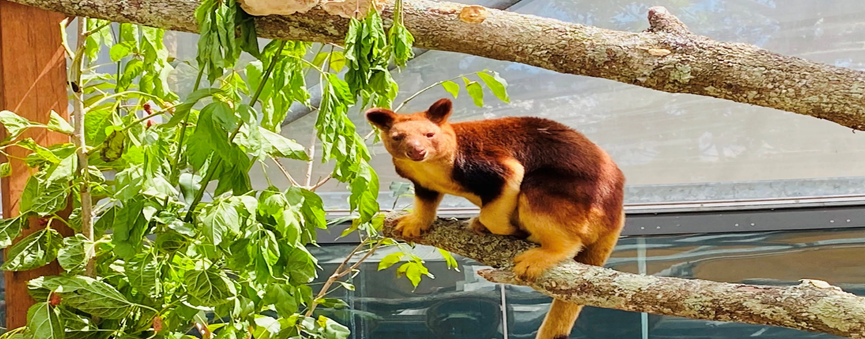
Deep in the lush rainforests of northern Australia and New Guinea, far above the reach of human eyes, lives one of the most enigmatic marsupials in the world — the tree kangaroo. Unlike their well-known relatives that bound across Australia’s plains, tree kangaroos have adapted to an entirely different lifestyle. Their powerful forelimbs, broad paws, and unusually long tails allow them to climb high into the canopy, where they leap between branches with astonishing agility. Despite these remarkable abilities, tree kangaroos are rarely seen. They are naturally elusive, camouflaged by dense leaves, and the places they inhabit are among the most rugged and inaccessible landscapes on the planet. For decades, researchers struggled to study them. Trekking through rainforests for days often resulted in only a fleeting glimpse — if that. In fact, biologists sometimes spent weeks without spotting a single individual. Because of their scarcity and the challenge of observation, tree kangaroos acquired a reputation as “near-mythical creatures.” Their existence was acknowledged, yet their numbers, behaviors, and precise habitats remained largely unknown. As deforestation and climate change accelerated, concern for their future grew, but conservationists faced an uphill battle without reliable data. Protecting an animal you can barely find is no easy task. This mystery, however, began to unravel when scientists decided to approach the problem from an entirely new angle — not by searching through the trees themselves, but by looking down from above. Innovation From Above: How Drones Changed the Game The turning point came when researchers introduced thermal drones into their fieldwork. Traditionally, conservation surveys relied on people walking through thick vegetation, climbing steep slopes, and using binoculars to scan the canopy. This method was exhausting, limited, and far from efficient. At best, researchers might confirm a few sightings in a week, and even then, the information gathered was minimal. Thermal drones, however, provided a revolutionary solution. Outfitted with infrared cameras, these lightweight flying machines detect heat signatures. Every warm-blooded animal gives off body heat, which appears clearly on the drone’s screen, even through heavy foliage. For the first time, scientists could spot hidden creatures without disturbing them or cutting through dense undergrowth. Emmeline Norris, a researcher leading the project, described the breakthrough: “Thermal drones may help to unravel the mysteries of tree kangaroos and guide long-term efforts to protect them.” The team launched their drones over the Cape Tribulation region in Queensland, an area long suspected of harboring Bennett’s tree kangaroos. They conducted three separate flights, each lasting under an hour. What they found astonished them. Instead of spotting one or two individuals, as they expected, the drones revealed six tree kangaroos in a single session. To researchers accustomed to scarcity, this was an unprecedented result. For Norris and her colleagues, it was a moment of validation — proof that their new approach could transform how these animals are studied. Equally important, the drones allowed scientists to observe the kangaroos without stress or intrusion. Unlike ground surveys, which sometimes frightened the animals or altered their behavior, aerial monitoring kept interactions minimal. The kangaroos remained undisturbed in their natural routines, giving researchers a clearer window into their authentic lives. This single success opened up a new realm of possibility. If drones could so easily locate tree kangaroos — perhaps the hardest marsupials to track — then similar methods might work for other elusive species. Conservation biology, long constrained by the limits of human endurance in the field, suddenly had a powerful new tool. Why These Discoveries Matter At first glance, finding six animals may not sound like much. But in the world of conservation, where sightings are scarce and populations uncertain, it was monumental. These results hinted that Bennett’s tree kangaroos might be more widespread in certain areas than previously believed. Tree kangaroos are ecological indicators. Their health reflects the health of the rainforest canopy as a whole. By feeding on leaves and fruits, they help regulate vegetation and disperse seeds, supporting the delicate balance of plant life. If their populations decline, it could signal broader environmental instability. Sadly, their survival has always been fragile. They rely heavily on continuous forest corridors to move between feeding and resting spots. When humans clear forests for logging, agriculture, or infrastructure, the canopy becomes fragmented. This forces tree kangaroos to descend to the ground, where they face threats from predators, dogs, vehicles, and hunters. Climate change adds further uncertainty, altering rainfall patterns and shifting vegetation zones. The new drone findings bring cautious optimism. They suggest that, in some protected rainforests like Cape Tribulation, these animals may be holding on better than feared. But researchers are careful not to celebrate too soon. As Norris explained, “While this is encouraging, further systematic surveys are needed to assess how population density varies with forest type, elevation, and other factors.” For conservationists, this technology offers more than numbers. It provides evidence that can shape policy. With reliable data, organizations can push for stronger protections, argue against deforestation in key habitats, and design wildlife corridors that ensure the canopy remains connected. It also allows conservation groups to monitor long-term population trends, spotting declines before they become irreversible. Beyond science and policy, there is also something deeply human about these discoveries. For local communities and the broader public, stories of “mythical” animals revealed by new technology spark wonder. They remind us that even in a modern world dominated by cities and machines, there are still hidden corners of nature full of mystery waiting to be uncovered. Looking Ahead: From Shadows to Security The successful drone flights mark the beginning of a new era in wildlife conservation. Scientists now plan to expand their surveys, flying over different rainforest regions, elevations, and forest types to compare population densities. Combining drone work with other techniques — such as camera traps, sound recorders, and genetic analysis of droppings — could create a more complete picture of tree kangaroo life. If these efforts succeed, they may not only save the tree kangaroo from obscurity but also set a precedent for

the Hidden Lives of Tree Kangaroos Read More »

From Landfill Struggles to Loving Arms: A Mother Dog’s Journey to Safety

At a large construction landfill in Texas, staff members were used to seeing stray dogs wander in and out of the area. Sadly, it wasn’t uncommon for people to abandon unwanted pets there, especially female dogs who were pregnant and close to giving birth. One afternoon, a few employees working at the ticket office noticed a skinny, heavily pregnant dog slowly pacing around the grounds. Her ribs were faintly visible, and her weary eyes told the story of a mother searching for food and a safe place to give birth. Out of compassion, the workers began leaving scraps of food and fresh water near the office for her. For a brief time, she returned daily, quietly accepting their offerings but keeping her distance. Then, she suddenly disappeared. When she finally returned days later, her belly had shrunk, and her frame looked even thinner. It was clear to everyone that she had given birth, but the big question was: Where were the puppies? Following the Clues Nancy Cowan, a volunteer and board member of Three Little Pitties Rescue, heard about the mother dog and immediately set out to help. Experienced in rescue work, she knew that new mothers often choose dark, hidden areas where they feel their puppies will be safe from predators and weather. Dumpsters, piles of scrap, and tucked-away corners of the landfill were all potential hiding places. As Cowan carefully searched, she paid attention to small details. She scanned for paw prints in the dirt, listened for faint whimpers, and watched the tall grass for any unusual patterns. Finally, something caught her eye. Behind one large dumpster, the weeds were pressed flat, creating a small beaten-down trail leading underneath. The path was subtle, but to Cowan it was a sign of hope. Cautiously kneeling down, she peered into the shadowy space below the dumpster. And there they were — a protective mother and her tiny litter, snuggled tightly together in the dim light. The mama’s eyes were wide and nervous as she shielded her puppies from the stranger who had discovered their secret home. Earning Trust and Building a Bond Rescuing a mother dog with newborns is never simple. Instinctively, mothers will defend their young, no matter how gentle their personalities may normally be. Lucy — as the rescuers would later call her — was no exception. Her entire body tensed when Cowan tried to approach, and she let out low warning growls to keep her distance. Understanding that trust takes time, Cowan didn’t force her. Instead, she began visiting every day, placing food close to the dumpster. Slowly, Lucy began to associate Cowan with nourishment and safety. Over the next few days, the bond deepened. Lucy stopped growling and cautiously wagged her tail when Cowan arrived. Eventually, she allowed the rescuer to stroke her fur and peek at her babies. With the mother’s growing trust, a full rescue mission was carefully planned. A team from Three Little Pitties Rescue came prepared with carriers, blankets, and gentle hands. Lucy and her puppies were lifted out from under the dumpster and placed into a vehicle that would take them to a clean, safe nursery where they could finally rest without fear. From Survival to Celebration At the nursery, Lucy’s world transformed. For the first time in weeks, she lay on a soft bed, her body no longer pressed against rough concrete. Volunteers showered her with affection and meals full of nutrients to help her regain strength. Her puppies, tiny and full of energy, were cleaned, checked by veterinarians, and given warm places to cuddle. Lucy, now officially named by the rescue, quickly became a staff favorite. Her gentle demeanor and gratitude were impossible to miss. On Mother’s Day, the volunteers even surprised her with “breakfast in bed” — a tray of special treats served while she rested with her puppies. For a dog who had once scavenged at a landfill, it was a moment of pure joy and dignity. Meanwhile, her six puppies began to thrive. With playful personalities emerging, they were given names that matched their charm: Teddy, Cleo, Sadie, Rusty, Willow, and one more who already had a forever family waiting. Watching them grow stronger each day filled the rescue team with pride. A Future Full of Hope Two months after their rescue, the difference in Lucy and her little family was astonishing. Lucy, once thin and skittish, now walked proudly with her head high, her coat shiny and her eyes bright. She had learned to trust people again, enjoying every pat and cuddle she received. Her puppies, full of curiosity, chased toys and tumbled over one another in happy play. Soon, all six pups would be ready to move into their forever homes, starting lives filled with love rather than fear. Lucy herself would be spayed and made available for adoption. Though it might take time to find the perfect family, rescuers were confident that her sweet spirit would capture someone’s heart. Reflecting on the transformation, Nancy Cowan shared how much this rescue meant: “She is one grateful mama, and we are honored to be part of her journey. From the moment I spotted that tiny trail in the grass, I knew she was out there doing her best for her babies. Seeing her safe now, with her pups flourishing, is the greatest reward.” For Lucy and her little ones, the days of hiding under dumpsters are over. Their story is now one of resilience, compassion, and the incredible bond between a mother and her family — a bond strong enough to survive even the toughest of beginnings.

From Landfill Struggles to Loving Arms: A Mother Dog’s Journey to Safety Read More »

Heartbroken Dog Refuses To Leave Spot Where She Last Saw Her Family

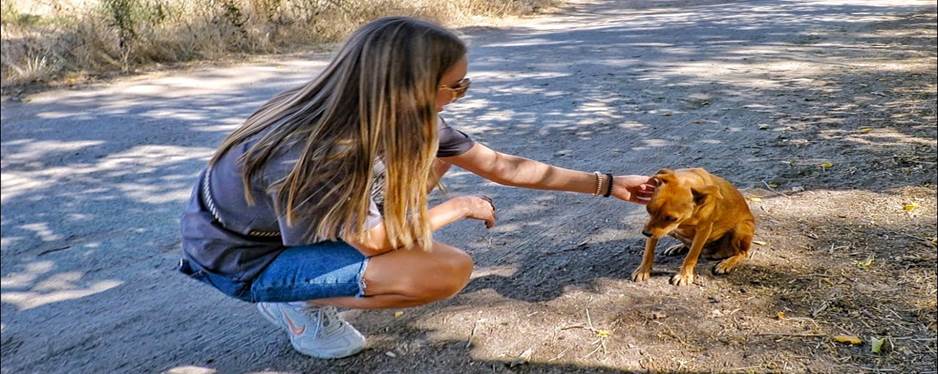
In a quiet Southern California neighborhood, life at a local school carried on as usual — students came and went, cars filled the parking lot, and families gathered in the evenings. Yet amid the daily bustle, residents began noticing a lone gray-and-white dog who seemed frozen in place. She wasn’t wandering the streets like other strays often do, nor was she chasing after scraps of food. Instead, she sat beneath the shrubs near the school parking lot, staring, waiting, as if time had stopped for her. The neighbors quickly realized that this pup wasn’t just resting. She was holding vigil. Day after day, she returned to the same spot — near a tree that appeared to serve as her anchor. Some believed it was the last place she had seen her family before they abandoned her. Others thought she might have been left there deliberately, with the hope she’d eventually move on. But she didn’t. “The tree was her safe place,” Suzette Hall, founder of Logan’s Legacy dog rescue, explained later. “It was like her little home. She never wanted to leave it, no matter what happened.” Despite the constant movement of people and vehicles around her, the dog remained committed to that single location, as if leaving would mean letting go of the hope that her family might return. Weeks Of Waiting And Refusing To Leave Concerned neighbors tried repeatedly to coax the dog into safety. They offered her food, spoke to her gently, and even attempted to approach with leashes. But she was far too cautious. If someone came too close, she would dart out into the parking lot, then retreat right back under her tree. It was her comfort zone, and nothing — not even kindness — could pull her away from it. Even when the school’s gates opened during the day, giving her the chance to walk away, she chose to stay inside. At night, when the gates closed, she seemed relieved, almost as though the barrier gave her a sense of protection from the outside world. For weeks, photos of the pup circulated online as people tried to track down her family. The community hoped someone would recognize her and step forward to claim her. But no one ever did. The silence was heartbreaking. “It was so sad,” Hall recalled. “She had all these people watching out for her, but not one person came forward to say she was theirs.” The dog’s faithfulness touched everyone who saw her, but it also underscored the depth of her despair. A Rescuer Arrives With Hope When Suzette Hall finally heard about the dog’s plight, she knew she had to act. Hall has rescued countless animals through her organization, but each case carries its own urgency. She drove to the school, determined to find the pup. At first, Hall couldn’t spot her. The parking lot was filled with cars, and the shrubs blended into the scenery. But then Hall’s eyes landed on the tree — and there she was, curled up beneath it, small and still, as though the world had forgotten her. “She was so cute,” Hall said, describing the moment. “I was scanning for trees, because I knew that was her spot, and sure enough, that’s exactly where she was.” Hall came prepared with a humane trap and a tempting piece of hot dog. Locals had been leaving kibble for the pup, which meant she might not be hungry enough to fall for the bait. But Hall took a chance on something more special. “She wasn’t starving, but she definitely hadn’t had a hot dog yet,” Hall laughed softly. “As soon as she smelled it, she ran right in.” After 15 long days of waiting for someone to save her, the pup — later named Scarlet — was finally safe. Scarlet’s New Beginning Once inside Hall’s van, Scarlet’s demeanor shifted almost immediately. At first, she trembled and stayed low, unsure of what was happening. But as the drive went on, she seemed to realize she no longer had to guard her tree. For the first time in weeks, she allowed herself to close her eyes. “She couldn’t relax until she felt safe,” Hall explained. “The moment she did, she just melted and fell asleep. She slept all the way to the vet.” At Camino Pet Hospital, Scarlet received a full examination. To everyone’s relief, she was in good health. With a clean bill of health, she was cleared to enter foster care. Scarlet’s foster home quickly became her sanctuary. No longer tied to one tree, she now had soft beds, regular meals, and most importantly — companionship. She discovered the joy of playing with her foster siblings, bounding around with them in the yard, and curling up with them for naps. “She’s so happy now,” Hall said. “She’s playful, affectionate, and just a little love bug. You’d never guess she was the same dog who sat under that tree for weeks.” While Scarlet’s foster family adores her, the arrangement is temporary. She is still waiting for her forever home — a family who will never leave her behind again. Her rescuer has only one wish for her: that her new family will give her the security she lost, and the love she deserves. “Her perfect family would be someone who’d never leave her,” Hall emphasized. “Someone who will love her for exactly who she is. Scarlet will never have to live under a tree again.”

Heartbroken Dog Refuses To Leave Spot Where She Last Saw Her Family Read More »

Zoo Gorilla Brings Her Baby To Meet Mom And Newborn On Other Side Of Glass

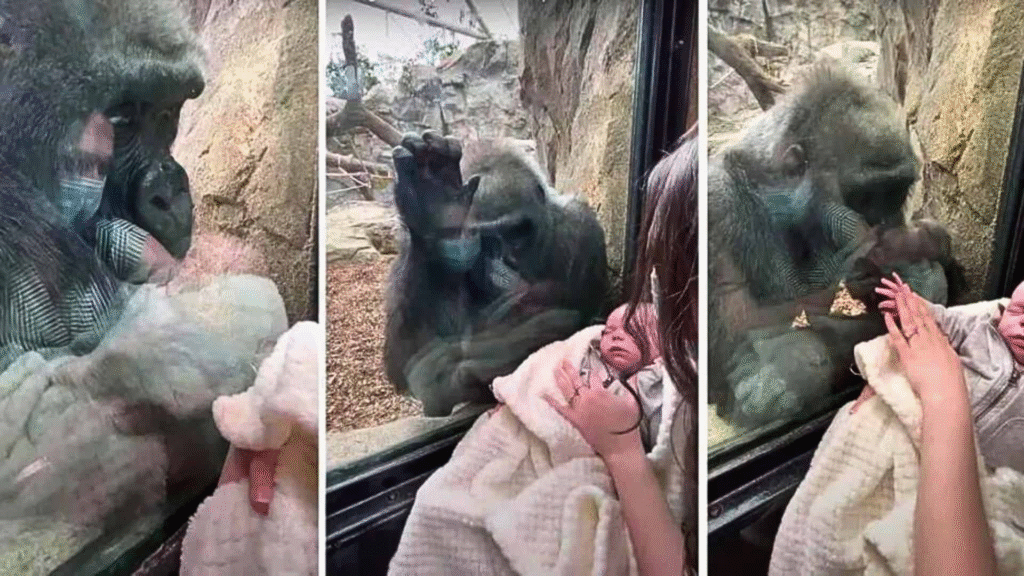
When Emmelina and Michael Austin planned a family outing to the Franklin Park Zoo in Boston, they were hoping for a quiet, joyful afternoon with their 1-month-old son, Canyon. For the new parents, the zoo seemed like the perfect place to stroll, relax, and take in the sights of animals they had not seen since their own childhoods. The Austins walked slowly through the exhibits, enjoying the sunshine and pointing out different creatures to one another. But it wasn’t until they reached the gorilla enclosure that the day took a turn from pleasant to unforgettable. Inside the large, glass-fronted habitat sat Kiki, a well-known female gorilla at the zoo. She wasn’t alone — by her side was her 7-month-old infant, a curious and bright-eyed little gorilla named Pablo. At first, Emmelina and Michael thought they were just going to observe quietly like other visitors. Yet the moment Emmelina’s gaze landed on Kiki cradling her baby, something stirred inside her. Having just entered motherhood herself, she recognized that protective posture, the gentle touches, and the pride that radiated from Kiki as she guided Pablo around the enclosure. A Shared Understanding Between Mothers The longer Emmelina watched, the more she felt that unspoken thread of kinship stretching across species lines. As a brand-new mom, she had already learned the instinctive pull to protect and nurture, and she could see the exact same devotion mirrored in Kiki’s movements. Emmelina whispered to her husband that she wanted to show Canyon to Kiki. With tender care, she lifted her son up so his little face was visible through the glass. What happened next astonished not just the Austins, but several nearby zoo visitors as well. Almost immediately, Kiki seemed to notice. She paused, looked over with a deliberate focus, and then gently reached for her own baby. With careful movements, she picked up Pablo and settled him on her leg. Then, with a sense of purpose, she carried him closer to the glass — closer to the human family who had just introduced their newborn. For Michael, the moment was surreal. “It was as if Kiki understood exactly what Emmelina was doing,” he later recalled. “She wasn’t just showing her baby — she was responding, saying, ‘Here’s mine too.’” A Silent Conversation At The Glass What unfolded over the next several minutes was unlike anything the Austins had ever experienced. On one side of the glass sat Emmelina, holding baby Canyon, still tiny and swaddled in blankets. On the other side sat Kiki, positioning Pablo so he could face the new family. There were no spoken words exchanged, yet the scene was saturated with meaning. The two mothers sat only inches apart, gazing not only at their babies but at one another. It was as though they recognized a shared story: sleepless nights, constant watchfulness, the sacrifices and joys that come with nurturing new life. Michael described how Kiki began to gesture with her hands, tapping and moving them in soft motions that felt intentional, as if she were attempting to communicate. Pablo, curious and playful, leaned forward until his little nose pressed right against the glass. Canyon, in Emmelina’s arms, stared back with wide eyes, utterly captivated. For Emmelina, the moment was overwhelming. She felt tears sting her eyes as she realized how profound the exchange truly was. Despite being different species, despite the physical barrier between them, she and Kiki were bonded by the same ancient instinct — the bond of a mother with her child. Nearby onlookers stood in awe, whispering to one another about what they were witnessing. Strangers who had never met were suddenly united by the sight of a gorilla and a woman connecting across that invisible divide. It wasn’t a spectacle of animal behavior; it was a glimpse of raw emotion, something universal and timeless. An Unforgettable Family Memory Eventually, the moment had to end. Zoo staff moved Kiki and Pablo to another part of the habitat, and the Austins continued their walk through the zoo. But the atmosphere around them felt different now — lighter, richer, filled with gratitude. For Michael, the encounter was something he knew he would carry for the rest of his life. “It was one of those experiences you just can’t plan,” he said. “You don’t go to the zoo expecting to share something so deep with an animal. It felt like a gift — a memory we’ll tell our son about when he’s older.” Emmelina agreed. She felt that in those few minutes, she had learned something both humbling and affirming. She realized that motherhood is a language that transcends barriers. Whether human or gorilla, the love between a parent and a child is universal, and it can be recognized instantly, even without words. Today, when the Austins look back at photos from that day, they see more than just snapshots from a family trip. They see proof of a connection that defied explanation — a reminder that compassion, care, and love are not bound by species. The story of Emmelina, Canyon, Kiki, and Pablo is now etched into their family history. It will one day be shared with Canyon as part of his early life story: the day he met a baby gorilla and, without knowing it, participated in a moment of empathy that moved everyone who saw it. “It’s the kind of thing you want to hold onto forever,” Michael reflected. “We went to the zoo for a simple day out, and we left with one of the most meaningful memories of our lives.”

Zoo Gorilla Brings Her Baby To Meet Mom And Newborn On Other Side Of Glass Read More »

Stray Dog Collapses In Relief When She Realizes Her Puppies Are Safe

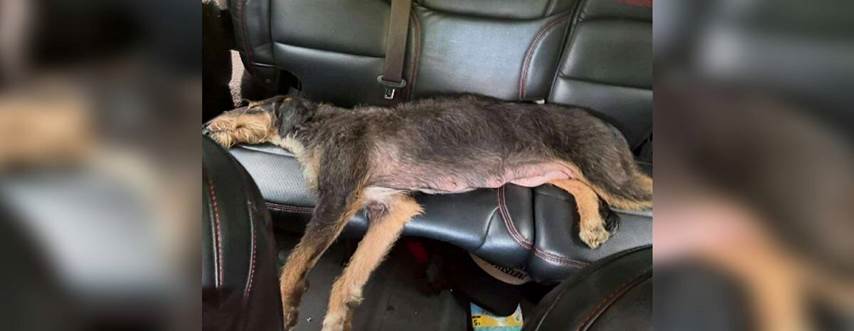
Earlier this month, a woman named Carlin Curtis was driving through Mississippi when she noticed something unusual on the side of the road. At first glance, it seemed like just another stray animal wandering along the rough gravel and dirt. But as she slowed down and looked closer, Curtis saw a heartbreaking scene — a weary mama dog surrounded by three tiny puppies huddled together in the rocks. The dogs had no shelter, no food, and no water. Their fur was dusty, their ribs faintly visible, and the exhaustion in their eyes told a story of hardship. It was clear they had been dumped and abandoned, left to fend for themselves in the sweltering heat. For many stray animals, this is where the story ends — but for this little family, the right person happened to come by at the right time. Curtis was not just any passerby; she was an independent rescue partner with Wright-Way Rescue, a group that specializes in saving abandoned animals in rural areas of the Southern Midwest. And that day, fate made sure her path crossed with theirs. Sugar’s Relief At Finally Being Seen The mama dog, later named Sugar, must have sensed that Curtis was there to help. Instead of running away in fear, Sugar cautiously walked up to her, tail wagging softly, her eyes filled with a mixture of hope and desperation. Nursing three hungry puppies had drained her energy, and yet she still pushed forward to greet the woman who had stopped to see her. Curtis immediately offered Sugar some food — a small but lifesaving act. The hungry dog devoured the meal with gratitude, finally filling her stomach after what was likely days of scrounging through trash or going without food. For a nursing mother, this simple act of kindness was a lifeline. Meanwhile, Curtis gently gathered the three tiny puppies and placed them into a large plastic tub she always keeps in her car for rescues like this. The puppies squirmed together, confused but safe for the first time since being abandoned. Once she knew her babies were secure, Sugar finally let herself relax. Curtis opened the back seat of her car, and the exhausted mama curled up inside. For the first time in what was probably weeks, she allowed herself to collapse in relief, drifting into a deep, well-deserved nap. From Roadside Despair To Loving Foster Homes Curtis transported the little family to Wright-Way Rescue, where they were examined by veterinary staff. To everyone’s relief, both Sugar and her three puppies were in relatively good health despite their ordeal. “Because they had been found together and still looked strong, they were able to go directly into foster care,” explained JeriLynn Burks, director of development at Wright-Way Rescue. It didn’t take long for Sugar’s foster family to fall in love with her. The gentle, affectionate mother dog quickly adapted to her new environment, soaking in the comfort of a soft bed, reliable meals, and the kind hands of humans who cared for her. Within weeks, the foster family officially adopted her, ensuring she would never again know the fear of abandonment. Meanwhile, her puppies — soon named Bailey, Bree, and Burt — were transferred to the rescue’s medical campus in Southern Illinois for the next stage of their journey. The three siblings showed off their playful personalities almost immediately. Full of puppy energy and curiosity, they tumbled around their enclosure, chasing each other and bouncing with excitement at every new toy or visitor. Burks described their different personalities: Despite their rocky start in life, the puppies’ joyful spirits were unshaken. A Future Filled With Hope And New Adventures The puppies have already been spayed and neutered, an important step in ensuring their healthier futures and helping reduce the cycle of stray litters. After completing a two-week health hold, they will receive vaccinations and begin socializing with other puppies at the rescue campus. “Once they’re 16 weeks old and fully vaccinated, they’re cleared for outdoor walks and adventures,” Burks explained. Until then, they’ll continue to thrive under the care of Wright-Way staff, getting all the love, food, and playtime they need. As for Sugar, life has completely transformed. No longer a starving stray fighting to keep her puppies alive, she is now a cherished member of a forever family. She spends her days resting, eating as much as she needs, and soaking in the affection she had been denied for so long. Her journey is a reminder of what can happen when compassion meets action. If Curtis hadn’t stopped that day, Sugar and her puppies may not have survived. Instead, because of one person’s willingness to help, four lives were saved — and transformed forever. A Lesson In Kindness And Rescue Stories like Sugar’s highlight both the cruelty and the hope that exist in the world of animal rescue. On one hand, it is devastating to think that someone abandoned a nursing mother and her puppies by the roadside. On the other, it is heartwarming to see how quickly their story changed once they were noticed by the right person. For rescue organizations like Wright-Way Rescue, these moments fuel their mission. Every abandoned animal saved is proof that compassion can turn despair into joy. And every adoption, like Sugar’s, shows that even the most broken beginnings can lead to beautiful new chapters. Today, Sugar sleeps soundly in her new home, and her puppies are thriving in preparation for their own forever families. From the dust of a Mississippi roadside to the warmth of loving homes, their journey is a testament to resilience, hope, and the power of a helping hand.

Stray Dog Collapses In Relief When She Realizes Her Puppies Are Safe Read More »

Puppies Waited In A Box Next To A Busy Highway, Hoping Someone Would See Them

It was a typical summer morning in County Longford, Ireland, when life nearly ended before it even had the chance to truly begin for five tiny puppies. Packed together inside a flimsy cardboard box, the little dogs sat only a few feet away from the speeding traffic of a busy highway. Completely unaware of the danger surrounding them, the pups bounced, wrestled, and played, their soft barks mixing with the roar of passing cars and trucks. To a driver rushing past, the box could have easily gone unnoticed. But to the Irish Society for the Prevention of Cruelty to Animals (ISPCA), who later recounted the moment, the reality was clear: “Their short lives could have ended before they’d barely begun,” the ISPCA wrote in a Facebook post. The risk was horrifying. A single wobble from the box could have sent the puppies tumbling directly into oncoming traffic. It was only a matter of time before something tragic happened. Luckily, fate stepped in. The Call That Changed Everything A community member spotted the abandoned puppies and realized immediately that they couldn’t survive where they were. Without hesitation, they called the ISPCA for help. The rescue organization knew they had to act fast — time was running out for the defenseless pups. When rescuers arrived, they found the puppies still huddled together, their big eyes full of innocence and trust. Though filthy, flea-ridden, and clearly abandoned, they wagged their tiny tails and greeted their rescuers with excitement. The team carefully lifted the fragile box, securing the puppies safely inside the rescue vehicle. For the first time in what may have been days, the little ones could finally rest, shielded from the terrifying noise of the highway. Back at the ISPCA shelter, the puppies received immediate medical attention. They were bathed, treated for parasites, and checked over by veterinarians. To everyone’s relief, the puppies were in relatively good health — a miracle considering how vulnerable their situation had been. Playful Spirits That Refused To Break At just 10 weeks old, the puppies were still young enough to need their mother’s care. But while their beginning was rough, rescuers noticed something remarkable about the group: their resilience. “All the puppies had normal, playful puppy personalities, and their ordeal didn’t appear to affect them,” explained Carmel Murray, ISPCA’s head of communication, in an interview with The Dodo. Despite being abandoned in such a cruel way, the little dogs displayed nothing but joy and friendliness. Their cheerful energy seemed to erase, at least for a moment, the shadows of their past. Staff and volunteers at the shelter couldn’t help but fall in love with their sunny personalities. Soon, the puppies began exploring their new surroundings. Volunteers introduced them to toys, cozy bedding, and wide play areas where they could run safely. For the first time, the dogs had the freedom to act like the carefree puppies they were meant to be. “They had a great time … chasing each other and enjoying a variety of different toys,” Murray said. “They really enjoyed the extra special attention from our animal care staff and volunteers.” From Ordeal to Forever Homes As the days passed, the puppies gained strength, confidence, and trust in the people who cared for them. Their coats became shinier, their eyes brighter, and their playful antics brought smiles to everyone who visited the shelter. What had once been a story of near-tragedy by a roadside slowly transformed into a story of hope. It wasn’t long before each of the five puppies found their perfect forever family. Families who had been searching for a loyal companion came forward, touched by the pups’ story of survival and resilience. “They are now living their best lives in their new loving homes where they are loved and cared for,” Murray shared with joy. The puppies, once abandoned in a flimsy box with their future hanging by a thread, were now curled up in warm beds, playing in safe backyards, and showered with love. A Reminder of Kindness and Responsibility While the story of these five puppies ended happily, their rescue serves as a sobering reminder of how cruel abandonment can be — and how fragile young lives are when left to fend for themselves. Too often, unwanted litters are discarded in dangerous places, leaving their fate up to chance. Organizations like the ISPCA work tirelessly to give animals like these a second chance. But their efforts also depend on compassionate community members — like the person who noticed the puppies near the highway and took action. Without that quick call, the outcome could have been devastating. The ISPCA hopes the story of these puppies inspires more people to adopt, spay and neuter their pets, and to report any case of animal abandonment or neglect they encounter. Every small action can make the difference between tragedy and survival. These five puppies could have easily become another heartbreaking statistic. Instead, thanks to a sharp-eyed passerby, a rapid rescue response, and the endless dedication of animal welfare workers, their story is one of survival, resilience, and love. From a flimsy cardboard box by a busy road to the comfort of forever homes, their journey reminds us that every life — no matter how small — deserves a chance.

Puppies Waited In A Box Next To A Busy Highway, Hoping Someone Would See Them Read More »

From Storm to Sky: Airline Pilot Adopts Homeless Kitten Mid-Flight

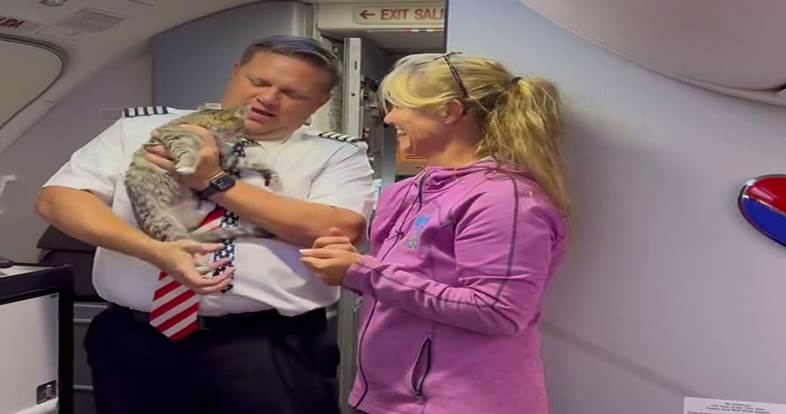
Air travel often brings together strangers, fleeting moments, and chance encounters — but rarely does it change the course of a life. For Captain Matt Prebish, a Southwest Airlines pilot, what started as a humanitarian flight to evacuate animals from Florida ahead of Hurricane Milton turned into a journey he would never forget. Onboard that flight, filled with rescued cats and dogs, he met a little kitten named Avery. By the time they landed, he knew he couldn’t let her go. A Rescue Flight Like No Other In October 2024, as Hurricane Milton threatened Florida’s coast, animal welfare groups mobilized quickly to protect the most vulnerable. Lucky Dog Animal Rescue, in partnership with Greater Good Charities, worked tirelessly to relocate pets from overcrowded shelters in the storm zone to safer facilities. This time, their mission was extraordinary: with help from Southwest Airlines, they arranged to fly 145 cats and dogs from Florida to Milwaukee. Unlike most animal transports, these animals weren’t placed in cargo. Instead, they were flown inside the cabin, surrounded by volunteers, shelter staff, and airline employees who gave them reassurance during the stressful journey. “It was truly a magical experience,” said Mirah Horowitz, CEO of Lucky Dog Animal Rescue. “The animals [got to] ride in the cabin. Everyone could see them, cuddle them, and share in the joy of giving them a second chance.” The flight became a heartwarming spectacle — wagging tails and tiny meows filled the air, turning the cabin into an airborne rescue haven. A Pilot Meets His Match As the Southwest crew interacted with their furry passengers, many formed temporary bonds. But for Captain Prebish, the connection went far deeper. Among the dozens of cats aboard, one small kitten stood out. Her name was Avery. Playful, curious, and full of life, Avery charmed everyone she met. But it was the pilot who found himself most enchanted. “I admired her excitement [about] the world and her energy,” Prebish later shared in a Southwest press release. In the middle of coordinating a rescue flight, Captain Prebish found himself experiencing something entirely unexpected — the spark of a lifelong bond. A Decision at 30,000 Feet As the flight continued north, Prebish kept returning to Avery. She wasn’t just another kitten to him — there was something about her spirit that felt meant to be. By the time the plane touched down in Milwaukee, the pilot knew he couldn’t simply walk away. But could he really make such a sudden decision? It turned out his wife already suspected this might happen. “My wife said she knew that when I accepted this trip that I would probably come home with some animal,” Prebish admitted with a laugh. When the plane landed, a brief delay forced passengers and crew to remain onboard for 20 minutes due to a storm at the airport. That pause gave Prebish the perfect window. He pulled out his phone and called his wife, asking how she would feel about him adopting Avery. Her answer was simple: yes. With her blessing, Prebish and the shelter staff scrambled to make the adoption official — right there on the plane. “It definitely wasn’t anticipated,” said Horowitz. “There was a little bit of a mad scramble to get the paperwork done for an adoption.” A New Chapter for Avery By the end of that day, Avery was no longer just a passenger on a rescue flight. She was a cherished member of Captain Prebish’s family. The pair flew together back to Denver, where Avery would settle into her forever home. The once-homeless kitten who had boarded the plane as cargo in a lifesaving mission now had a family waiting with open arms. For Prebish, the adoption was more than just bringing home a new pet. It was a moment that blended his love of aviation, service, and compassion into one unforgettable memory. “I’m honored and glad that we could make a difference,” he said. “And hopefully these animals will find their forever homes and make a bunch of people very happy.” More Than One Happy Ending While Avery’s adoption stole the spotlight, the flight itself changed the future for all 145 animals onboard. By relocating them to Milwaukee, shelters in Florida suddenly had space to take in local dogs and cats displaced or injured by the hurricane. Every adoption, every transport, meant more lives saved. The mission also highlighted the power of partnerships between nonprofits, airlines, and everyday people. From the volunteers who carried kennels, to the flight crew who offered water and cuddles, to the pilot who took one kitten home, every person played a role in ensuring the animals had a chance at life beyond survival. Today, Avery is thriving in Denver, enjoying the warmth of her new home and the love of a family who adores her. For Captain Prebish, she’s a daily reminder that sometimes, the most meaningful connections happen when you least expect them. What began as a mission to save lives before a storm became a love story between a pilot and a kitten who simply needed a home. And in the skies between Florida and Milwaukee, Avery found hers.

From Storm to Sky: Airline Pilot Adopts Homeless Kitten Mid-Flight Read More »

Frostbitten Sisters: How Two Puppies Survived Minus 25 Degrees Under a Porch

When winter storms sweep across the Midwest, most people bundle up indoors, shielded from the unforgiving cold. But for two tiny German shepherd puppies in Cokato, Minnesota, survival meant huddling together under a porch, fighting to stay alive as the temperature plunged to an unimaginable minus 25 degrees Fahrenheit. Their story is one of resilience, luck, and the kindness of strangers who refused to look away. Discovered Beneath the Porch It all began when a local family noticed movement under their porch during one of the coldest nights of the season. On closer inspection, they found two trembling puppies pressed tightly against one another, using their body heat in a desperate attempt to ward off the cold. The homeowners had seen these same German shepherd sisters wandering the neighborhood earlier that week but hadn’t been able to catch them. Now, seeing them hidden away and frostbitten, the urgency of the situation became heartbreakingly clear. Hoping to find their owner, the family snapped a picture and posted it on Facebook. Within hours, the post caught the attention of Kendra Plaschko, development officer at Ruff Start Rescue, who immediately recognized the danger the puppies were in. Without hesitation, she rushed to the home. A Rescue Mission in the Cold When Plaschko arrived, she found the puppies exactly as described: huddled in the darkest corner beneath the porch, too frightened to come closer. Their distrust of people was so deep that no amount of gentle coaxing could lure them out. “They planted themselves right in the middle of the porch,” Plaschko explained. “They didn’t move, no matter what I tried.” Recognizing that she couldn’t gain their trust that night, Plaschko and the homeowners left food, water, and blankets for the shivering pups. The plan was to regroup and try again the next morning. When she returned, this time with Meg Larson, Ruff Start Rescue’s intake manager, the two rescuers brought along a secret weapon — rotisserie chicken. The savory smell was impossible for the hungry puppies to resist. Slowly, cautiously, they crept forward, their noses twitching. Larson reached out gently, seizing the critical moment. With careful precision, she managed to scoop the puppies into her arms and load them into her car. Even then, Larson knew that warming them up had to be done carefully. Dogs exposed to extreme cold can suffer shock if temperatures rise too quickly. She wrapped them warmly but gradually, allowing their tiny frostbitten bodies to adjust. Fragile and Afraid At first glance, the homeowners had estimated the puppies to be around six to eight months old, but once in Larson’s care, the truth was revealed. Beneath their fluffy coats, the sisters were shockingly small and underweight — barely 12 weeks old. Their short lives had already been marked by hardship. Both had frostbite on their toes, noses, and tongues, painful reminders of nights spent in subzero conditions. Yet miraculously, aside from the frostbite, they were healthy. Larson suspected they had likely been born outdoors, perhaps in a horse stall or barn, before being driven into Cokato and dumped. Whether abandoned deliberately or lost through negligence, their survival in such conditions was nothing short of extraordinary. Bringing them into her home, Larson began the delicate work of fostering. The puppies were terrified, skittish, and uncertain of human contact. They avoided touch, flinched at sudden sounds, and clung tightly to each other. But Larson was patient. Each day, she sat quietly with them, offering food from her hand, speaking in soft tones, and allowing them to adjust at their own pace. “The first time they let me really rub their faces, I definitely got teary,” Larson admitted. “Even though they’re terrified every day, they’re making progress.” Delta and Cleo: Personalities Emerging To give the sisters a sense of identity and belonging, Larson named them Delta and Cleo — short for Cleopatra. And soon, their distinct personalities began to shine through. “Cleo is the littler one, and she’s actually the bossy one, which is cute,” Larson said with a laugh. “The big one is Delta. She’s just kind of a goof.” Delta, the more relaxed of the two, approached situations with a goofy charm, while Cleo, despite being smaller, had a spirited streak that made her the natural leader. Together, they balanced each other out, offering both comfort and courage as they learned to trust the world around them. Over the next week, Larson watched in awe as the sisters began to transform. What started as tentative steps toward human hands grew into moments of genuine connection. They wagged their tails, accepted pets, and even played with toys — milestones that seemed impossible when they were first pulled from under the porch. A Brighter Tomorrow Delta and Cleo still have weeks to go before they’re fully ready for adoption. They’ll need to be vaccinated, spayed, and given time to build confidence in their foster home. But their future is no longer uncertain. Once timid and frostbitten, they are now safe, warm, and surrounded by love. Larson has cherished every step of their journey, proud of their resilience and excited for the day when they’ll each find a forever home. “[T]hey make such huge strides every day,” she said. “It’s just amazing to see.” Through the compassion of one family who refused to ignore two shivering puppies, and the dedication of rescuers at Ruff Start Rescue, Delta and Cleo have been given something they never had before: a chance. From frostbitten strays hiding beneath a porch to beloved companions-in-the-making, their story reminds us that even in the harshest winters, kindness has the power to bring warmth.

Frostbitten Sisters: How Two Puppies Survived Minus 25 Degrees Under a Porch Read More »