Lone Egg and a Homesteader’s Hunch
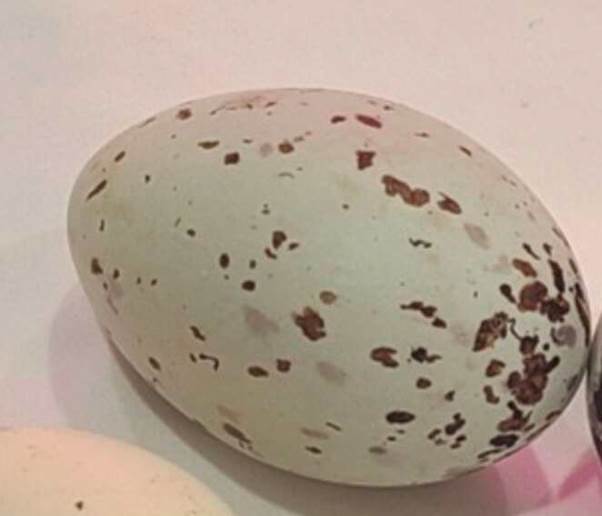
Old barns hold secrets. In the dusty, sun-drenched silence of a dilapidated structure in Oklahoma, a family discovered one of those secrets a few years ago. As they began the process of tearing down the old building, they found it: a single, solitary egg lying on the floor, a small, perfect mystery left behind by an unknown mother. Knowing their neighbor, Whitney Robbins, raised turkeys, they figured one of her flock had simply wandered off, laid the egg, and forgotten it. They carefully carried the foundling over to her. Whitney examined the unusual-looking egg. It was plausible, certainly, but she wasn’t entirely convinced.
With a homesteader’s natural curiosity and a deep-seated reluctance to let a potential life go to waste, Whitney decided to conduct an experiment. She placed the mystery egg into her incubator, nestled among the others, and began the patient process of waiting. She had no concrete expectations, only a hopeful hunch and a desire to see what—if anything—this lone egg held inside. It was an act of simple kindness, a gesture extended to a small, abandoned piece of the natural world that had found its way to her doorstep. She had no idea this simple act would lead to the most surprising discovery of her life.
The Patient Wait and the Slowest Reveal
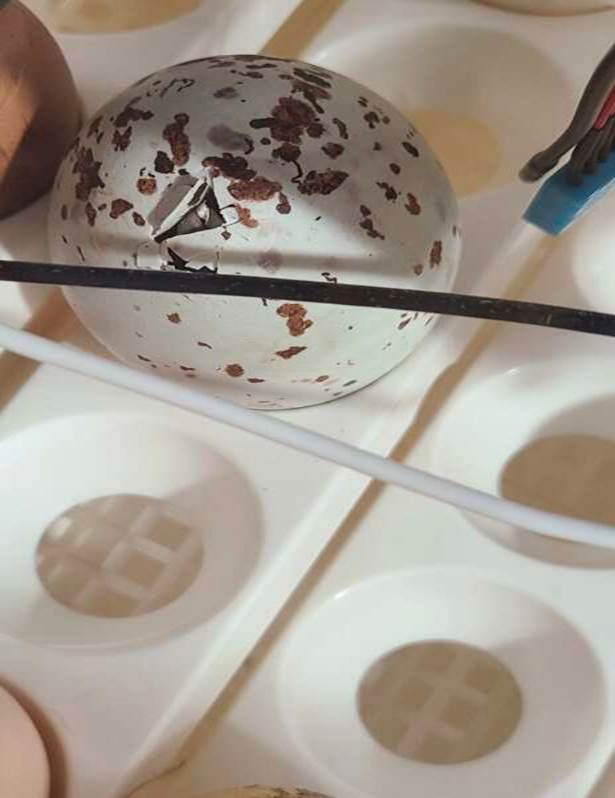
For over a month, the mystery egg was a silent, stoic resident in the warm, humming incubator. Whitney would check on it daily, turning it gently, her hopes slowly beginning to wane as the weeks ticked by. The other eggs showed signs of life, but this one remained stubbornly opaque. She started to worry that it was not viable, that her experiment would end in quiet disappointment. But just as she was beginning to lose hope, she saw it: a tiny, star-shaped crack on the shell’s surface. A “pip.” Life was stirring inside.
The hatching was not a quick, explosive affair. It was a slow, arduous process that unfolded over two full days. The tiny occupant worked tirelessly, chipping away at its shell with an unseen beak, gradually revealing small glimpses of the creature within. “It took two days for it to fully emerge from the shell,” Robbins recalled, remembering the suspense of the slow reveal. With each new piece of shell that fell away, her anticipation grew. She was ready to welcome a fluffy, yellow turkey poult into the world, another familiar addition to her farm. But as the chick’s head finally began to emerge, Whitney’s excitement quickly turned to utter confusion.
“Oh Gosh, I Think That’s a Vulture”
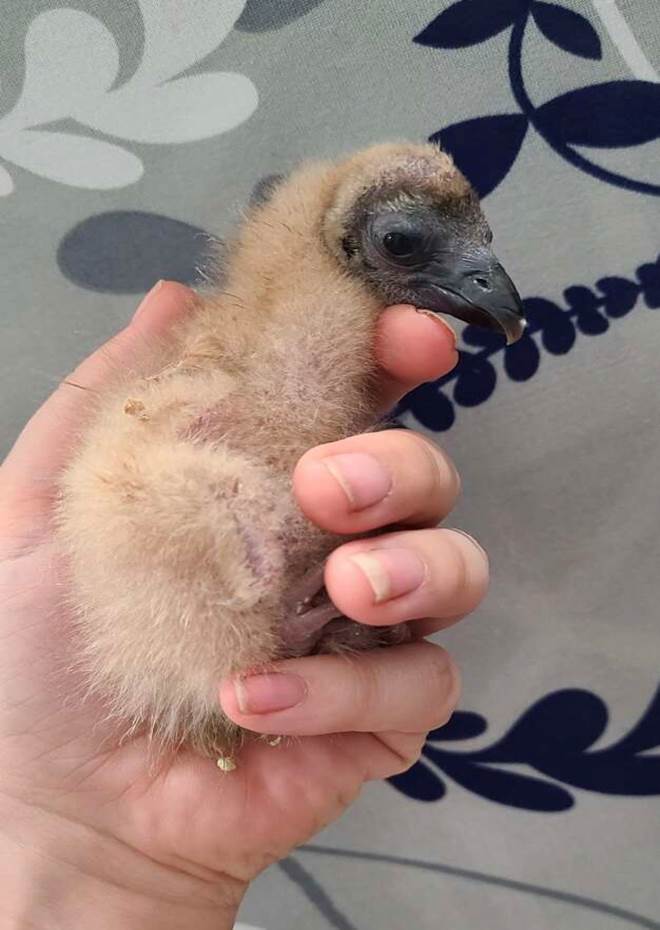
The baby bird pushing its way out of the shell looked absolutely nothing like a turkey. Instead of the expected yellow down and pink beak, this creature was covered in a shock of white, fuzzy feathers, with a dark face and a distinctly curved beak. “The second its head was out and I could see a curve in the beak, I just kind of went, ‘Oh no, I think I had a booboo, because that is definitely not a turkey,’” Robbins said with a laugh. Her mind raced, trying to identify this strange, alien-looking chick. It was a puzzle she couldn’t immediately solve.
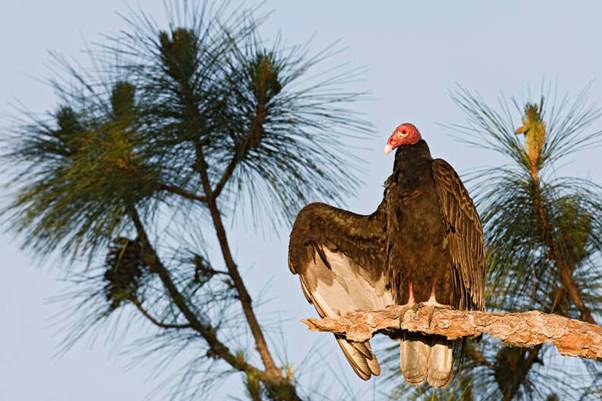
It wasn’t until the fledgling had fully emerged and its downy feathers had dried that the final, crucial clue became visible. “I had no clue what it was until it dried,” Robbins said. “And when I could see its bald face, I was like, ‘Oh gosh, I think that’s a vulture.’” A flurry of online research confirmed her astonishing conclusion. She had not been incubating a turkey egg; she had been the accidental mother to a baby turkey vulture. “We were half right,” she joked. The initial shock quickly gave way to a sense of profound responsibility. She was now the temporary guardian of a wild raptor.
From Accidental Mom to Lifelong Admirer
Whitney knew immediately that her home, equipped for domestic poultry, was no place for this special baby. Her role in this creature’s life was not to be its mother, but its first rescuer. She quickly and carefully found a local wildlife rescue that was properly equipped to care for young raptors, ensuring the baby vulture would be raised in a way that would allow it to one day return to the wild. She transported the chick to the experts, a brief but memorable handover that marked the end of her hands-on involvement. Although she only spent a few hours with the baby bird, the experience left an indelible mark on her heart.
In the process of identifying the chick, she had learned so much about these often-maligned birds. “There are so many people that think vultures are terrible animals, that they’re mean or they’re aggressive,” Robbins said. “They’re so important for the ecosystem. They’re so important for stopping disease.” This single, accidental egg had completely reframed her perspective. Now, years later, every time she sees a vulture soaring in the sky—a dark, graceful silhouette against the Oklahoma blue—she stops to admire it. She thinks of the tiny, white, fuzzy chick from the old barn, a surprising guest who changed the way she sees the world. “Knowing we could, in a very small way, do our part in ensuring this baby’s survival is something we hold so dear to our hearts,” she said.